
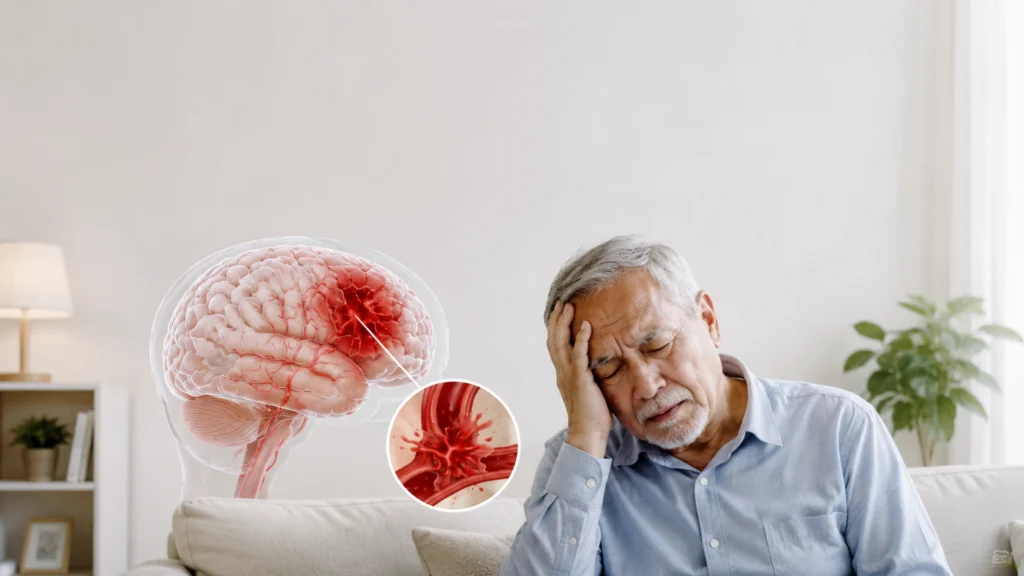
What Is a Stroke?
A Stroke is a serious and life-threatening medical condition that requires immediate attention. It occurs when the blood flow to a part of the brain is suddenly interrupted or reduced, preventing brain cells from receiving oxygen and essential nutrients. Because the brain controls vital functions such as movement, speech, memory, and coordination, a stroke can have a profound impact on a person’s ability to function independently. Recognizing the early signs and understanding the importance of prompt treatment can help save lives and reduce long-term complications.
Ready to Begin?
Our centres in Bengaluru (HRBR Layout) and Hyderabad are open Monday to Saturday, 8:30 AM to 6:30 PM.
Types of Stroke
| Type of Stroke | What It Is | Main Cause | Common Symptoms | Duration | Severity & Risk |
| Ischemic Stroke | Occurs when blood flow to the brain is blocked | Blood clot, plaque buildup (atherosclerosis), heart-related clots | Sudden weakness on one side, slurred speech, vision problems, confusion | Long-lasting | Most common type (80–85%); can cause permanent brain damage if untreated |
| Hemorrhagic Stroke | Caused by bleeding in or around the brain | Ruptured blood vessel, high blood pressure, aneurysm, head injury | Severe headache, vomiting, loss of consciousness, sudden neurological deficits | Long-lasting | Less common but more fatal; rapid pressure damages brain tissue |
| Transient Ischemic Attack (TIA) | Temporary interruption of blood flow to the brain | Short-term clot or narrowing of blood vessels | Stroke-like symptoms that resolve quickly | Minutes to hours | No permanent damage, but high risk of future stroke |
| Thrombotic Stroke (Ischemic subtype) | Clot forms within an artery supplying the brain | Cholesterol plaque rupture | Gradual onset of weakness, speech difficulty | Long-lasting | Often occurs during sleep; serious if untreated |
| Embolic Stroke (Ischemic subtype) | Clot forms elsewhere and travels to the brain | Heart conditions like atrial fibrillation | Sudden and severe symptoms | Long-lasting | High recurrence risk without proper management |
Causes of Stroke
Stroke occurs when the blood supply to the brain is disrupted due to blockage or bleeding. Several medical and lifestyle-related factors can increase the risk of stroke. Understanding these causes helps in prevention and early intervention.
- High Blood Pressure (Hypertension)
High blood pressure is the leading cause of Stroke. Constantly elevated pressure damages the walls of blood vessels, making them weak and prone to rupture or narrowing. Over time, this can lead to the formation of blood clots or cause vessels to burst, resulting in either ischemic or hemorrhagic stroke.
- Heart Disease and Irregular Heart Rhythm
Heart conditions such as atrial fibrillation, heart valve disease, and heart failure increase the risk of blood clots forming in the heart. These clots can travel to the brain and block blood flow, leading to an ischemic stroke. People with heart disease are at significantly higher risk if the condition is not well managed.
- Diabetes
Diabetes damages blood vessels by increasing blood sugar levels over time. This damage makes arteries more prone to narrowing and blockage. Diabetes is often associated with other risk factors like obesity and high blood pressure, which together significantly raise the risk of Stroke.
- High Cholesterol
High levels of bad cholesterol (LDL) can cause fatty deposits, known as plaque, to build up in blood vessels. This condition, called atherosclerosis, narrows arteries and restricts blood flow to the brain. Plaque can also break open, forming clots that lead to stroke.
- Smoking and Tobacco Use
Smoking damages blood vessels, thickens blood, and increases clot formation. It also raises blood pressure and reduces oxygen levels in the blood. Even passive smoking increases stroke risk, making tobacco use one of the most preventable causes of stroke.
- Obesity and Physical Inactivity
Excess body weight and a sedentary lifestyle increase the risk of high blood pressure, diabetes, and high cholesterol. These conditions together significantly raise the likelihood of Stroke. Regular physical activity helps maintain healthy blood vessels and reduces overall stroke risk.
- Excessive Alcohol Consumption
Heavy alcohol intake raises blood pressure and increases the risk of hemorrhagic stroke. Alcohol can also contribute to irregular heart rhythms and obesity, further increasing stroke risk.
- Age and Family History
The risk of stroke increases with age, especially after 55 years. A family history of stroke may indicate genetic factors that increase vulnerability. While these factors cannot be changed, awareness helps in early prevention and monitoring.
- Previous Stroke or TIA
Individuals who have already had a stroke or Transient Ischemic Attack (TIA) are at a much higher risk of experiencing another stroke. Proper medical care, lifestyle changes, and rehabilitation are essential to reduce recurrence.
Symptoms of Stroke
Stroke symptoms appear suddenly and worsen rapidly because the brain is deprived of oxygen and nutrients. The exact symptoms depend on which part of the brain is affected, but all stroke signs should be treated as a medical emergency.
- Sudden Weakness or Paralysis on One Side of the Body
One of the hallmark symptoms of stroke is weakness or complete paralysis affecting the face, arm, or leg on one side of the body. This happens because each side of the brain controls movement on the opposite side of the body. A person may be unable to raise one arm, experience dragging of one leg while walking, or have difficulty gripping objects. This weakness can range from mild loss of strength to total loss of movement.
- Facial Drooping and Muscle Asymmetry
Stroke can weaken the facial muscles, causing one side of the face to droop. The individual may be unable to smile evenly, close one eye, or control facial expressions. Saliva may drool from the corner of the mouth, and facial numbness is also common. Facial drooping is often one of the earliest visible signs of Stroke.
- Speech Problems (Slurred Speech or Aphasia)
Damage to the brain’s speech and language centers can lead to slurred speech (dysarthria) or aphasia, a condition in which a person has difficulty speaking, understanding language, reading, or writing. Speech may be slow, unclear, or nonsensical, and the person may struggle to find the right words despite knowing what they want to say.
- Sudden Vision Loss or Visual Disturbances
A Stroke can affect the visual pathways in the brain, leading to blurred vision, double vision, partial vision loss, or sudden blindness in one or both eyes. Some individuals may experience difficulty judging distances or recognizing objects, which can significantly affect daily activities.
- Loss of Balance, Dizziness, and Poor Coordination
When a stroke affects the cerebellum or brain, it can cause dizziness, difficulty maintaining balance, unsteady walking, or lack of coordination. The person may feel as if the room is spinning or may fall unexpectedly. These symptoms are sometimes mistaken for inner ear problems but should not be ignored.
- Sudden Severe Headache
A hemorrhagic stroke often causes a sudden, intense headache that comes on without warning. This headache is typically severe and may be accompanied by nausea, vomiting, neck stiffness, or loss of consciousness. It is often described as the worst headache of one’s life and requires immediate emergency care.
- Confusion and Difficulty Understanding
Stroke can impair cognitive functions, leading to sudden confusion, difficulty concentrating, memory problems, or trouble understanding simple instructions. The person may appear disoriented, respond inappropriately, or struggle to recognize familiar people or surroundings.
- Difficulty Swallowing (Dysphagia)
Damage to the brain areas that control swallowing can cause difficulty chewing or swallowing food and liquids. This can increase the risk of choking or aspiration, where food enters the lungs, leading to serious complications like pneumonia if not managed properly.
- Sudden Extreme Fatigue or Loss of Consciousness
Some strokes can cause sudden exhaustion, weakness, or even fainting. This may occur due to extensive brain involvement or increased pressure within the brain, particularly in hemorrhagic strokes.
Diagnosis of Stroke
Accurate and timely diagnosis of Stroke is essential because every minute of delay can result in permanent brain damage. The goal of stroke diagnosis is to confirm whether a stroke has occurred, identify the type of stroke, locate the affected area of the brain, and determine the underlying cause so that the most effective treatment can begin immediately.
- Emergency Clinical Evaluation : When a patient presents with symptoms of stroke, doctors perform a rapid neurological assessment. This includes checking consciousness, orientation, speech clarity, facial symmetry, muscle strength, coordination, reflexes, and sensation. The exact time of symptom onset is critically important, as certain treatments are only effective within a specific time window.
- Brain Imaging Tests1.CT Scan (Computed Tomography): A CT scan is usually the first imaging test performed because it is quick and widely available. It helps doctors determine whether the stroke is ischemic or hemorrhagic by identifying bleeding in the brain. This distinction is crucial because treatments differ significantly between the two types.2.MRI (Magnetic Resonance Imaging) : MRI provides more detailed images of brain tissue and can detect stroke-related changes earlier than a CT scan. It helps identify the precise location and size of the brain injury and assess the extent of damage, especially in smaller or early-stage strokes.
- Blood Tests : Blood tests help identify conditions that may have caused or worsened the stroke. These tests check blood sugar levels, clotting ability, cholesterol levels, and markers of infection or inflammation. Abnormal results can guide both immediate treatment and long-term prevention strategies.
- Heart and Blood Vessel Evaluation
1.Electrocardiogram (ECG/EKG): An ECG records the electrical activity of the heart and is used to detect irregular heart rhythms such as atrial fibrillation, a common cause of clot-related strokes. Identifying heart rhythm problems helps prevent future strokes.
2.Echocardiography : An echocardiogram uses ultrasound to examine the heart’s structure and function. It can reveal blood clots, valve problems, or structural defects that may have caused a stroke. - Carotid and Vascular Imaging
1.Carotid Ultrasound : This test examines the carotid arteries in the neck to detect narrowing or blockages caused by plaque buildup. Reduced blood flow through these arteries significantly increases stroke risk.
2.Cerebral Angiography : Cerebral angiography provides detailed images of blood vessels in the brain. It is used to identify aneurysms, abnormal blood vessels, or severe blockages and helps plan surgical or interventional treatment if needed.
Why Early and Accurate Diagnosis Matters in Stroke
Early and accurate diagnosis of Stroke is crucial because the brain is highly sensitive to oxygen deprivation. When blood flow to the brain is interrupted, millions of brain cells can be damaged every minute, and unlike other cells in the body, brain cells do not regenerate. The sooner a stroke is identified, the greater the chance of saving brain tissue and preserving vital functions.
Timely diagnosis allows doctors to quickly determine the type of stroke, ischemic or hemorrhagic, which is essential because treatments for each type are completely different. For example, clot-busting medications used for ischemic stroke must be given within a narrow time window and can be dangerous if used in hemorrhagic stroke. Accurate diagnosis ensures the right treatment is given safely and effectively.
Early detection also reduces the risk of serious complications such as paralysis, speech impairment, swallowing difficulties, and cognitive decline. It helps limit the severity of disability and shortens recovery time. In addition, prompt diagnosis enables early rehabilitation planning, which plays a key role in restoring mobility, communication, and independence.
Stroke Treatment at Plexus
At Plexus, Stroke treatment focuses on a holistic, multidisciplinary rehabilitation approach designed to restore mobility, independence, communication, and quality of life. Stroke affects every individual differently, so therapy programs are personalized based on the type of stroke, severity, and functional limitations.
Physiotherapy plays a central role in stroke recovery. It focuses on improving muscle strength, balance, coordination, and mobility that may be affected due to paralysis or weakness on one side of the body. Through guided exercises, gait training, posture correction, and neuromuscular re-education, physiotherapy helps patients relearn movements, prevent muscle stiffness, and regain confidence in walking and daily activities.
Aquatic therapy uses the supportive properties of water to help stroke patients move more freely and safely. The buoyancy of water reduces pressure on joints and weak muscles, making it easier to practice movements that may be difficult on land. This therapy improves muscle strength, balance, endurance, and coordination while minimizing the risk of falls, making it especially beneficial in early and intermediate stages of stroke recovery.
Occupational therapy focuses on helping stroke survivors regain independence in daily activities such as dressing, eating, grooming, writing, and using household objects. Therapists work on improving fine motor skills, hand function, coordination, and problem-solving abilities. Adaptive techniques and assistive devices are also introduced to help patients perform tasks safely and confidently.
Stroke can affect memory, attention, concentration, reasoning, and problem-solving skills. Cognitive therapy at Plexus targets these mental functions through structured exercises and activities. Therapy helps patients improve thinking skills, awareness, decision-making, and emotional regulation, enabling better participation in daily life and social interactions.
Speech therapy is essential for stroke patients who experience speech and language difficulties (aphasia or dysarthria). Speech therapists work on improving clarity of speech, word-finding ability, sentence formation, and comprehension. Therapy also addresses voice control and communication strategies, helping patients express themselves more effectively and regain confidence in communication.
- Swallowing Therapy (Dysphagia Management)
Many stroke patients develop swallowing difficulties, increasing the risk of choking and aspiration. Swallowing therapy focuses on strengthening the muscles involved in chewing and swallowing, improving coordination, and teaching safe swallowing techniques. Therapists may also guide dietary modifications to ensure adequate nutrition and safety during eating.
Why Choose Plexus in India
Selecting the right centre can make a world of a difference to recovery outcomes. Here’s why Plexus stands out:
- Expertise: Since 2011, Plexus has specialised in neurological and regenerative rehabilitation, treating hundreds of thousands of patients and building a strong reputation in complex nerve‑injury care. Plexus specialists are experienced in both neurology and neuro‑surgery, offering the full spectrum of care under one roof.
- Facilities & Multidisciplinary Team: Plexus is India’s first ISO‑certified regenerative rehabilitation & research centre, equipped with state‑of‑the‑art diagnostic imaging, surgical theatres and dedicated rehabilitation suites. Plexus interdisciplinary team includes neurologists, neurosurgeons, physiotherapists, occupational therapists, pain specialists and regenerative medicine experts all collaborating to deliver integrated care.
- Patient Journey & Access: From first consultation to discharge and long‑term follow‑up, Plexus guides patients through every stage of recovery. Plexus supports both Indian and international patients, offering cost‑effective care without compromising quality. Comfortable outpatient programs, therapy and treatment planning, and accessible communication with Plexus doctors are part of Plexus commitment.
Ready to Begin?
Our centres in Bengaluru (HRBR Layout) and Hyderabad are open Monday to Saturday, 8:30 AM to 6:30 PM.
Other Disorders Treated at Plexus
At Plexus,expertise extends to offer comprehensive care for a variety of neurological and related conditions. Plexus provide specialized treatments for disorders such as, Brachial Plexus Injury , Spinocerebellar Ataxia, Sensory Processing Disorder (SPD), Cerebral Palsy, Multiple Sclerosis,Parkinson’s disease, Spinal Cord Injury, Motor Neuron Disease, Stroke, Autoimmune Conditions, Orthopedic Conditions, and Sports Injuries. Plexus multidisciplinary approach, incorporating therapies like Cell Therapy, Physiotherapy, Occupational Therapy, Aquatic Therapy, and Speech Therapy, ensures personalized care tailored to each condition, helping patients achieve improved mobility, function, and quality of life.
FAQs
When should stroke rehabilitation begin? Stroke rehabilitation should begin as soon as the patient is medically stable. Early therapy helps prevent complications, improves brain recovery, and enhances long-term functional outcomes.
How does physiotherapy help after a stroke? Physiotherapy helps improve muscle strength, balance, coordination, and mobility. It supports relearning movements, walking independently, and reducing muscle stiffness or spasticity.
Is aquatic therapy safe for stroke patients? Yes, aquatic therapy is safe when supervised by trained therapists. The buoyancy of water reduces stress on weak muscles and joints, allowing safer and more effective movement practice.
Can speech problems after stroke be treated? Yes, speech therapy helps improve speech clarity, language understanding, and communication skills. With regular therapy, many patients experience significant improvement.
Why is swallowing therapy important after a stroke? Swallowing therapy helps manage dysphagia, reducing the risk of choking and aspiration. It ensures safe eating, proper nutrition, and prevents respiratory complications.
Does Plexus provide a personalized stroke treatment plan? Yes, Plexus offers individualized rehabilitation programs tailored to each patient’s specific physical, cognitive, and communication needs for optimal recovery.
About the Author
Dr. Na’eem Sadiq
Medical Director of Plexus
Dr. Na’eem Sadiq is a globally recognized neurologist and neuropsychiatrist, renowned for his contributions to the treatment of complex neurological disorders. He founded Plexus in 2011 with a mission to enhance the quality of life for patients living with neurological conditions.
With over 35 years of clinical experience, Dr. Sadiq is considered a leading expert in the field. His internationally acclaimed research spans key topics such as Demyelinating Polyneuropathy, Multiple Sclerosis, Epilepsy, and Migraine, positioning him at the forefront of neurological care worldwide.