
What is Stroke
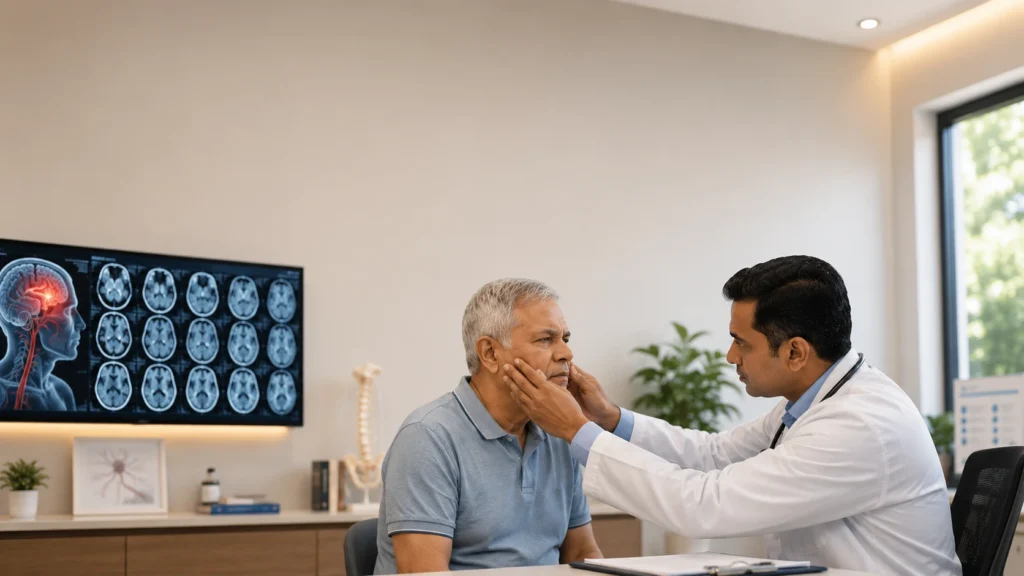
A Stroke is a sudden medical condition that occurs when the blood supply to the brain is interrupted or reduced, depriving brain cells of oxygen and nutrients. This can lead to brain damage, loss of function, or paralysis, depending on the area affected. Strokes are broadly classified into ischemic stroke, caused by a blood clot, and hemorrhagic stroke, caused by bleeding in the brain. Recognizing Stroke symptoms early, such as weakness on one side, difficulty speaking, or vision problems, is critical for timely treatment and better recovery outcomes.
Ready to Begin?
Our centres in Bengaluru (HRBR Layout) and Hyderabad are open Monday to Saturday, 8:30 AM to 6:30 PM.
What are the Types of Stroke
| Type of Stroke | Definition / Meaning | Causes | Symptoms | Treatment / Management |
| Ischemic Stroke | A Stroke caused by a blockage in blood vessels supplying the brain. | Blood clots, atherosclerosis, embolism, heart disease | Sudden weakness or numbness (usually one side), slurred speech, vision problems, confusion, dizziness | Thrombolytic therapy, Stroke medication, clot removal, physiotherapy, regenerative cells therapy (in select cases) |
| Hemorrhagic Stroke | A Stroke caused by bleeding in or around the brain. | High blood pressure, aneurysm rupture, head injury, blood vessel malformations | Severe headache, nausea, vomiting, loss of consciousness, seizures, sudden weakness | Controlling bleeding, Stroke surgery, blood pressure management, rehabilitation, supportive therapy |
| Transient Ischemic Attack (TIA / Mini Stroke) | Temporary blockage of blood flow to the brain causing brief stroke-like symptoms. | Small clots, narrowed arteries, heart issues | Sudden weakness, speech difficulty, vision changes, numbness lasting a few minutes to hours | Monitoring, Stroke medication, lifestyle modification, risk factor management |
| Paralytic Stroke | Stroke resulting in partial or complete paralysis. | Brain damage due to ischemic or hemorrhagic stroke | Loss of movement or muscle control on one side, facial droop, speech difficulty | Rehabilitation, physiotherapy, occupational therapy, speech therapy, regenerative therapy in some cases |
| Brain Stroke | Stroke affecting the brain, controlling vital functions. | Clot, bleeding, small vessel disease | Difficulty swallowing, double vision, dizziness, balance issues, paralysis | Emergency intervention, Stroke treatment, intensive rehab, speech and physiotherapy |
| Cerebellar Stroke | Stroke affecting the cerebellum, impacting balance and coordination. | Ischemia, hemorrhage | Loss of coordination, unsteady gait, nausea, dizziness | Rehabilitation, Stroke supportive therapy, physiotherapy, balance training |
| Lacunar Stroke | Small vessel Stroke deep in the brain. | Hypertension, diabetes, small artery disease | Weakness or numbness, difficulty speaking, cognitive changes | Stroke medication, rehabilitation, risk factor management |
| ACA Stroke (Anterior Cerebral Artery Stroke) | Stroke affecting the frontal lobe and medial brain structures. | Clot or embolism in ACA | Weakness in lower limbs, behavioral changes, urinary incontinence | Clot removal, physiotherapy, cognitive rehab |
| Embolic Stroke | Caused by a traveling clot or debris from the heart or arteries. | Atrial fibrillation, heart valve disease | Sudden numbness, paralysis, confusion, speech or vision issues | Stroke medication, clot removal, anticoagulants, rehab |
What are the Causes of Stroke
| Cause Category | Specific Causes | Type of Stroke Often Associated | Description / Mechanism |
| Cardiovascular Issues | Atrial fibrillation, heart attack, heart valve disease, cardiac thrombus | Ischemic Stroke, Embolic Stroke, Heart Stroke | Abnormal heart rhythm or clots from the heart travel to the brain, blocking blood flow. |
| High Blood Pressure (Hypertension) | Chronic hypertension | Hemorrhagic Stroke, Ischemic Stroke | Weakens blood vessel walls in the brain, increasing risk of rupture or blockage. |
| Atherosclerosis | Plaque buildup in arteries | Ischemic Stroke, Thrombotic Stroke | Narrowing of arteries reduces blood flow, leading to ischemia in the brain. |
| Diabetes | Type 1 and Type 2 diabetes | Ischemic Stroke, Lacunar Stroke | High blood sugar damages blood vessels, increasing risk of clot formation. |
| Lifestyle Factors | Smoking, excessive alcohol, obesity, sedentary lifestyle | Ischemic Stroke, Hemorrhagic Stroke | Contributes to vascular disease, high blood pressure, and clot formation. |
| Blood Disorders / Coagulation Problems | Sickle cell disease, clotting disorders | Ischemic Stroke, Embolic Stroke | Abnormal clotting increases the chance of blocked arteries in the brain. |
| Vascular Abnormalities | Aneurysms, arteriovenous malformations (AVM), vessel malformations | Hemorrhagic Stroke | Weak or malformed vessels can rupture, causing bleeding in the brain. |
| Genetic / Family History | Family history of Stroke or cardiovascular disease | All types | Genetic predisposition to hypertension, clotting disorders, or vessel abnormalities. |
| Infections / Inflammation | Vasculitis, infections affecting blood vessels | Ischemic Stroke | Inflammation or infection can narrow or block cerebral arteries. |
| Hormonal / Gender Factors | Pregnancy, birth control pills, menopause | Ischemic Stroke, Hemorrhagic Stroke | Hormonal changes may increase clotting risk or affect blood pressure. |
| Trauma / Injury | Head injuries, neck injuries | Hemorrhagic Stroke, Brain Stroke | Physical trauma can rupture blood vessels or cause clot formation. |
| Heat / Sun Stroke | Severe heat exposure | Heat Stroke, Cerebral Stroke | Extreme heat can lead to dehydration, blood thickening, or brain swelling, occasionally causing stroke-like symptoms. |
What are the Symptoms of Stroke
| Type of Stroke | Common Symptoms | Specific Signs | Notes / Additional Symptoms |
| Ischemic Stroke | Sudden numbness or weakness (face, arm, leg, usually one side) | Difficulty speaking or understanding speech (aphasia), confusion, trouble seeing in one or both eyes | Balance issues, dizziness, sudden severe headache |
| Hemorrhagic Stroke | Severe headache, nausea, vomiting | Loss of consciousness, seizures, sudden weakness or numbness, vision problems | High blood pressure often present, rapid deterioration possible |
| Transient Ischemic Attack (TIA / Mini Stroke) | Temporary numbness or weakness | Slurred speech, brief vision problems, dizziness | Symptoms last a few minutes to hours, warning sign for future strokes |
| Brain Stroke (General / Cerebral Stroke) | One-sided paralysis or weakness, facial droop | Trouble walking, loss of coordination, difficulty swallowing | May include confusion, memory loss, emotional changes |
| Paralytic Stroke | Partial or complete paralysis on one side | Muscle stiffness, inability to move affected limbs | Often requires long-term physiotherapy and rehabilitation |
| Brain Stroke | Difficulty swallowing (dysphagia) | Double vision, vertigo, unsteady gait | Can affect vital functions such as breathing and heart rate |
| Cerebellar Stroke | Loss of balance and coordination | Difficulty walking, tremors, dizziness, nausea | Speech may become slurred; fine motor skills impaired |
| Lacunar Stroke | Weakness or numbness | Cognitive impairment, slurred speech | Small vessel Stroke deep in the brain, often in hypertensive patients |
| Eye Stroke (Retinal Stroke) | Sudden vision loss in one eye | Visual field defects | Often painless, sometimes associated with embolic or ischemic events |
| Heat Stroke (Extreme Heat-Induced Stroke) | High body temperature, confusion | Dizziness, nausea, vomiting, fainting | Not a true cerebral Stroke but can mimic Stroke symptoms; urgent cooling required |
| Early Signs of Stroke | Mild weakness or numbness | Trouble speaking, blurred vision, facial droop | Early detection is critical: “BE FAST” method recommended (Balance, Eyes, Face, Arm, Speech, Time) |
| Mild Stroke Symptoms | Minor facial droop, slight arm weakness | Temporary slurred speech, mild imbalance | Often precursor to larger strokes; immediate medical attention advised |
How Stroke Is Diagnosed at Plexus
Accurate and timely Stroke diagnosis is crucial for effective treatment and recovery. Plexus employs a multidisciplinary approach combining clinical assessment, advanced imaging, and laboratory tests to identify the type, location, and severity of a stroke. Each step is tailored to ensure patients receive rapid intervention, whether it is an ischemic stroke, hemorrhagic stroke, or brain stroke.
1. Comprehensive Clinical Assessment
The first step in diagnosing Stroke at Plexus involves a thorough neurological examination. Physicians evaluate the patient for Stroke symptoms such as sudden weakness, numbness on one side, facial droop, speech difficulties, vision changes, balance problems, and cognitive impairment. Specialists also consider patient history, including risk factors like hypertension, diabetes, heart disease, and prior episodes of TIA (mini stroke). Early recognition of subtle signs , sometimes referred to as mild Stroke symptoms , allows for rapid intervention, improving outcomes.
2. Imaging Tests
Once initial signs suggest a stroke, Plexus uses advanced imaging techniques to confirm the diagnosis and differentiate between ischemic Stroke and hemorrhagic stroke. Common imaging modalities include:
- CT Scan (Computed Tomography): Quickly identifies bleeding, brain swelling, or structural abnormalities. It is the first-line imaging test for suspected stroke.
- MRI (Magnetic Resonance Imaging): Provides detailed images of brain tissue, detecting smaller ischemic strokes or early changes not visible on a CT scan.
- MR Angiography / CT Angiography: Assesses the blood vessels of the brain and neck to locate blockages, clots, or aneurysms that may have caused the stroke.
3. Laboratory Tests
Blood tests are performed to evaluate conditions that may contribute to a stroke, including clotting disorders, high cholesterol, diabetes, and infection. Tests like a complete blood count (CBC), lipid profile, and coagulation studies help identify underlying causes of Stroke (Stroke causes) and guide treatment decisions, such as Stroke medication or anticoagulant therapy.
4. Cardiac Evaluation
Since many strokes, especially embolic or heart stroke, originate from the heart, Plexus includes cardiac assessments as part of diagnosis. Tests may include ECG (Electrocardiogram), Echocardiography, or Holter monitoring to detect atrial fibrillation, heart valve disease, or cardiac thrombus that can lead to brain stroke.
5. Functional and Cognitive Assessment
After confirming the stroke, Plexus conducts a detailed evaluation of the patient’s motor, speech, and cognitive functions. This helps in identifying deficits caused by the Stroke and planning personalized Stroke rehabilitation physiotherapy, occupational therapy, and speech therapy. Early assessment of functional impairment ensures that interventions such as Stroke supportive therapy or regenerative cells therapy can be integrated into the recovery plan effectively.
Treatments for Stroke at Plexus
At Plexus, Stroke treatment is designed to be holistic and patient-centered, focusing on restoring physical, cognitive, and speech functions. Each patient receives a personalized care plan tailored to the type of stroke, its severity, and individual rehabilitation needs.
1. Physiotherapy
Physiotherapy at Plexus helps patients recover mobility, strength, and balance after a stroke. Therapists create targeted exercise programs to improve muscle control, prevent joint stiffness, and reduce fall risks. Interventions may include gait training, resistance exercises, and neuromuscular stimulation, supporting patients in regaining independence and performing daily activities confidently.
2. Occupational Therapy
Occupational therapy at Plexus focuses on restoring independence in daily life. Therapists evaluate fine motor skills, hand-eye coordination, and task-specific abilities. Treatment plans may involve the use of assistive devices, adaptive strategies, and environmental modifications, enabling patients to perform essential activities such as dressing, eating, and personal hygiene more effectively.
3. Cognitive Therapy
Stroke often affects memory, attention, problem-solving, and other cognitive functions. Plexus specialists provide cognitive therapy through structured exercises and computer-based programs to enhance mental processing, concentration, and decision-making skills, helping patients regain the cognitive abilities needed for independent living.
4. Speech and Language Therapy
Many Stroke survivors experience challenges with speech, language, and swallowing. Plexus speech-language therapists assess these difficulties and provide customized therapy to improve communication and swallowing safety. Interventions include exercises to enhance articulation, voice control, language comprehension, and safe swallowing techniques, supporting both effective communication and proper nutrition.
Why Choose Plexus in India
Selecting the right centre can make a world of a difference to recovery outcomes. Here’s why Plexus stands out:
- Expertise: Since 2011, Plexus has specialised in neurological and regenerative rehabilitation, treating hundreds of thousands of patients and building a strong reputation in complex nerve‑injury care. Plexus specialists are experienced in both neurology and neuro‑surgery, offering the full spectrum of care under one roof.
- Facilities & Multidisciplinary Team: Plexus is India’s first ISO‑certified regenerative rehabilitation & research centre, equipped with state‑of‑the‑art diagnostic imaging, surgical theatres and dedicated rehabilitation suites. Plexus interdisciplinary team includes neurologists, neurosurgeons, physiotherapists, occupational therapists, pain specialists and regenerative medicine experts all collaborating to deliver integrated care.
- Patient Journey & Access: From first consultation to discharge and long‑term follow‑up, Plexus guides patients through every stage of recovery. Plexus supports both Indian and international patients, offering cost‑effective care without compromising quality. Comfortable outpatient programs, therapy and treatment planning, and accessible communication with Plexus doctors are part of Plexus commitment.
Advanced Stroke Care and Recovery at Plexus
Plexus stands out as a leading center for Stroke care in Bangalore, offering timely intervention and comprehensive treatment for brain stroke, ischemic stroke, and hemorrhagic stroke. Each patient receives a personalized rehabilitation plan . By addressing both the physical and cognitive challenges of stroke, Plexus helps patients regain independence, improve daily functioning, and enhance overall quality of life. Prompt recognition of Stroke symptoms and expert care at Plexus ensures better outcomes and long-term recovery for every Stroke patient.
Ready to Begin?
Our centres in Bengaluru (HRBR Layout) and Hyderabad are open Monday to Saturday, 8:30 AM to 6:30 PM.
Other Disorders Treated at Plexus
At Plexus,expertise extends to offer comprehensive care for a variety of neurological and related conditions. Plexus provide specialized treatments for disorders such as, Brachial Plexus Injury , Spinocerebellar Ataxia, Sensory Processing Disorder (SPD), Cerebral Palsy, Multiple Sclerosis,Parkinson’s disease, Spinal Cord Injury, Motor Neuron Disease, Stroke, Autoimmune Conditions, Orthopedic Conditions, and Sports Injuries. Plexus multidisciplinary approach, incorporating therapies like Cell Therapy, Physiotherapy, Occupational Therapy, Aquatic Therapy, and Speech Therapy, ensures personalized care tailored to each condition, helping patients achieve improved mobility, function, and quality of life.
FAQs
What is a stroke? A Stroke occurs when blood flow to the brain is interrupted, either due to a blockage (ischemic stroke) or bleeding (hemorrhagic stroke). This can lead to brain damage, paralysis, speech difficulties, or cognitive impairment.
What are the common symptoms of stroke? Common Stroke symptoms include sudden numbness or weakness on one side of the body, facial droop, slurred speech, vision problems, dizziness, severe headache, and loss of balance. Early signs of a mild Stroke (mild Stroke symptoms) should not be ignored.
What causes stroke? Stroke causes include high blood pressure, heart disease, diabetes, smoking, excessive alcohol use, blood clotting disorders, and vascular abnormalities. Brain Stroke can also be triggered by embolism, aneurysms, or small vessel disease.
How is Stroke diagnosed at Plexus? Plexus uses a combination of clinical assessment, imaging (CT, MRI, angiography), blood tests, and cardiac evaluation to accurately diagnose Stroke and determine whether it is ischemic or hemorrhagic. Functional and cognitive assessments guide personalized rehabilitation.
What treatments are offered for Stroke at Plexus? Treatment includes emergency interventions, Stroke medication, clot removal, physiotherapy, occupational therapy, cognitive therapy, speech therapy. Personalized rehabilitation plans aim to restore mobility, communication, and cognitive function.