
Understanding Brain Stroke
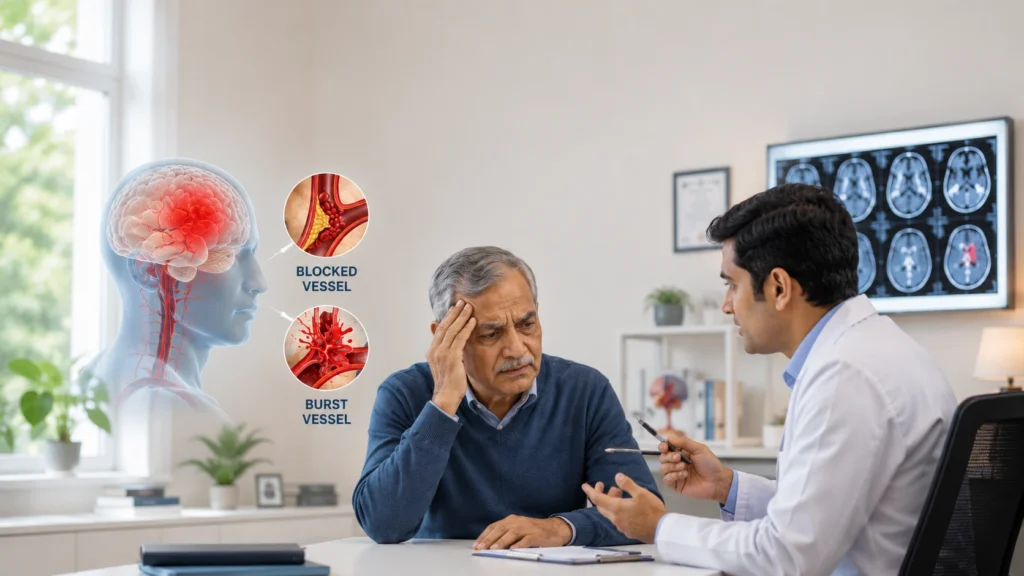
A brain Stroke occurs when the blood supply to a part of the brain is suddenly interrupted or when a blood vessel in the brain ruptures. The brain depends on a constant flow of oxygen-rich blood to function properly. When this flow is reduced or stopped, brain cells begin to die within minutes, leading to loss of neurological functions such as movement, speech, memory, or vision.
The impact of a brain stroke depends on which area of the brain is affected, how severe the interruption is, and how quickly medical treatment is received. Some strokes cause mild, temporary symptoms, while others can result in long-term disability or be life-threatening.
How Stroke Affects the Brain
- Loss of Oxygen and Nutrient Supply The brain relies on a continuous supply of oxygen and glucose to survive. During a Stroke , blood flow to a specific part of the brain is either blocked or reduced, depriving brain cells of these essential nutrients. Without oxygen, brain cells begin to malfunction within seconds and can suffer irreversible damage within minutes. The longer the blood supply remains interrupted, the greater the extent of brain injury.
- Death of Brain Cells (Neuronal Damage) When oxygen deprivation persists, neurons start to die in a process known as ischemic injury. Unlike many other cells in the body, brain cells do not regenerate easily. This permanent loss of neurons directly affects the brain’s ability to control vital functions such as movement, speech, memory, and sensation, depending on the region involved.
- Impaired Communication Between Brain Regions The brain works through complex networks of nerve cells that communicate using electrical and chemical signals. A stroke disrupts these communication pathways, preventing signals from traveling effectively between different brain areas. This disruption can cause difficulties in coordination, problem-solving, speech production, and understanding language.
- Loss of Motor Control and Sensory Function If a stroke damages the motor cortex or sensory areas of the brain, it can lead to weakness or paralysis, usually on one side of the body opposite to the affected brain region. Patients may experience numbness, tingling, or loss of sensation, making everyday activities like walking, holding objects, or maintaining balance challenging.
- Cognitive, Emotional, and Behavioral Changes Strokes that affect areas responsible for thinking, memory, or emotions can result in cognitive impairment, confusion, difficulty concentrating, or memory loss. Emotional changes such as depression, anxiety, mood swings, or personality changes are also common, as the brain regions regulating emotions may be damaged.
- Increased Brain Pressure and Secondary Injury In hemorrhagic strokes, bleeding within the brain increases pressure inside the skull. This pressure can compress surrounding brain tissue, further reducing blood flow and causing additional damage beyond the original stroke site. Swelling and inflammation can worsen symptoms and delay recovery if not managed promptly.
Ready to Begin?
Our centres in Bengaluru (HRBR Layout) and Hyderabad are open Monday to Saturday, 8:30 AM to 6:30 PM.
Symptoms of Brain Stroke
- Sudden Weakness or Numbness on One Side of the Body One of the most common signs of a brain stroke is sudden weakness, numbness, or paralysis affecting the face, arm, or leg, typically on one side of the body. This happens because a Stroke usually damages the opposite side of the brain that controls movement and sensation. A person may notice facial drooping, difficulty lifting an arm, or a feeling of heaviness or loss of control in a limb.
- Difficulty Speaking or Understanding Speech A stroke can affect the areas of the brain responsible for language and communication. This may cause slurred speech, difficulty forming words, or trouble understanding what others are saying. Some individuals may speak clearly but say words that do not make sense, while others may be unable to speak at all. These speech difficulties are often sudden and are a strong indicator of stroke.
- Sudden Confusion or Altered Awareness People experiencing a Stroke may become suddenly confused, disoriented, or have trouble thinking clearly. They may struggle to follow simple instructions, recognize familiar people, or understand their surroundings. This occurs when brain regions involved in cognition and awareness are affected by reduced blood flow.
- Vision Problems in One or Both Eyes Stroke can impair vision by affecting the brain’s visual processing centers or the optic nerves. Symptoms may include blurred vision, double vision, partial vision loss, or complete blindness in one eye. Some people describe it as a dark curtain or shadow coming over their field of vision, which can occur suddenly without pain.
- Severe Sudden Headache A sudden, intense headache with no known cause can be a warning sign of a hemorrhagic stroke. This headache is often described as the worst headache of one’s life and may be accompanied by nausea, vomiting, or loss of consciousness. It results from bleeding within the brain that increases pressure inside the skull.
- Loss of Balance, Dizziness, or Difficulty Walking When a stroke affects the cerebellum or brain, it can disrupt balance and coordination. Individuals may feel dizzy, experience vertigo, have difficulty walking straight, or suddenly fall without warning. These symptoms are often mistaken for general weakness or fatigue but can indicate a serious neurological emergency.
- Difficulty Swallowing (Dysphagia) Some strokes damage the areas of the brain that control swallowing muscles, leading to difficulty swallowing food, liquids, or even saliva. This can increase the risk of choking or aspiration, where food enters the lungs, potentially causing pneumonia. Dysphagia is an important symptom that requires prompt assessment.
- Sudden Loss of Consciousness or Seizures In severe cases, especially with hemorrhagic stroke, a person may lose consciousness or experience seizures. This occurs due to sudden changes in brain activity, increased pressure, or widespread disruption of normal brain function. These symptoms indicate a critical condition requiring immediate emergency care.
Causes & Risk Factors of Brain Stroke
- Blocked Blood Vessels (Blood Clots) One of the leading causes of Stroke is the formation of a blood clot that blocks an artery supplying blood to the brain. These clots may develop within the brain’s blood vessels due to plaque buildup (thrombosis) or travel from another part of the body, commonly the heart (embolism). When blood flow is obstructed, brain tissue is deprived of oxygen, leading to rapid cell damage.
- Ruptured Blood Vessels (Brain Bleeding) A hemorrhagic stroke occurs when a weakened blood vessel in the brain ruptures, causing bleeding into or around the brain tissue. This bleeding increases pressure within the skull and damages surrounding brain cells. Conditions such as long-standing high blood pressure and aneurysms are common underlying causes of vessel rupture.
- High Blood Pressure (Hypertension) High blood pressure is the most significant and controllable risk factor for stroke. Constant pressure on artery walls weakens blood vessels over time, making them more prone to blockage or rupture. Poorly controlled hypertension significantly increases the risk of both ischemic and hemorrhagic strokes.
- Heart Diseases and Irregular Heart Rhythm Heart conditions such as atrial fibrillation, heart valve disease, or previous heart attacks increase the likelihood of blood clots forming in the heart. These clots can travel to the brain and block blood vessels, causing an ischemic stroke. Managing heart health is crucial in Stroke prevention.
- High Cholesterol and Atherosclerosis Excess cholesterol in the blood can lead to the buildup of fatty deposits (plaques) in the arteries, a condition known as atherosclerosis. These plaques narrow blood vessels and restrict blood flow to the brain. If a plaque ruptures, it can trigger clot formation and cause a stroke.
- Diabetes Mellitus Diabetes damages blood vessels over time and accelerates atherosclerosis, increasing the risk of stroke. High blood sugar levels also affect blood circulation and can worsen the severity of stroke-related brain damage. People with diabetes often have additional risk factors such as obesity and high blood pressure.
- Smoking and Tobacco Use Smoking damages blood vessels, raises blood pressure, and reduces oxygen levels in the blood. It also increases clot formation and accelerates plaque buildup in arteries. Even passive smoking can increase stroke risk, making smoking cessation one of the most effective preventive measures.
- Obesity and Physical Inactivity Excess body weight and a sedentary lifestyle contribute to high blood pressure, diabetes, and high cholesterol, all of which increase stroke risk. Lack of regular physical activity also affects blood circulation and heart health, making stroke more likely over time.
- Excessive Alcohol Consumption Heavy alcohol intake can raise blood pressure, increase triglyceride levels, and contribute to irregular heart rhythms. Chronic alcohol abuse weakens blood vessels and raises the risk of hemorrhagic stroke, especially when combined with other risk factors.
- Age, Family History, and Previous Stroke The risk of stroke increases with age, particularly after 55 years. A family history of stroke or a previous stroke or transient ischemic attack (TIA) significantly raises the chances of another stroke. These non-modifiable risk factors highlight the importance of early prevention and regular health monitoring.
Diagnosis of Brain Stroke
- Initial Clinical Evaluation Stroke diagnosis begins with an immediate clinical assessment as soon as the patient reaches medical care. Doctors evaluate symptoms such as weakness, speech difficulty, vision problems, and level of consciousness. A detailed medical history, including the time symptoms started, existing health conditions, medications, and prior strokes, is critical because treatment decisions depend heavily on how quickly the stroke is identified.
- Neurological Examination A focused neurological exam is performed to assess brain function. This includes testing muscle strength, reflexes, coordination, sensation, speech, vision, and cognitive abilities. The pattern of deficits helps doctors determine which part of the brain is affected and how severe the stroke may be.
- Brain Imaging Tests (CT Scan & MRI) Imaging is essential to confirm a stroke and identify its type. A CT scan is usually the first test performed because it quickly detects brain bleeding and rules out hemorrhagic stroke. An MRI provides more detailed images and is especially useful in identifying early ischemic strokes and the exact location of brain damage.
- Blood Tests Blood tests help identify underlying conditions that may have contributed to the stroke. These include blood sugar levels, cholesterol profile, clotting factors, infection markers, and electrolyte balance. Blood tests also help rule out conditions that can mimic stroke symptoms.
- Electrocardiogram (ECG) and Heart Monitoring An ECG is used to detect abnormal heart rhythms, such as atrial fibrillation, which can lead to blood clots traveling to the brain. In some cases, continuous heart monitoring is done to identify intermittent rhythm abnormalities that increase stroke risk.
- Ultrasound and Vascular Imaging Tests like carotid Doppler ultrasound, CT angiography, or MR angiography are used to examine blood vessels supplying the brain. These tests identify narrowed, blocked, or damaged arteries and help determine whether reduced blood flow caused the stroke.
- Echocardiography An echocardiogram uses sound waves to create images of the heart. It helps detect blood clots, valve problems, or structural abnormalities in the heart that could have caused an embolic stroke.
- Diagnosis of Transient Ischemic Attack (TIA) In cases where symptoms resolve quickly, doctors still conduct full stroke evaluations to diagnose a TIA. Although symptoms are temporary, a TIA is a serious warning sign of a future stroke and requires urgent medical attention and preventive treatment.
Treatment at Plexus for Stroke
At Plexus , Stroke treatment focuses on comprehensive, multidisciplinary rehabilitation designed to restore function, promote brain recovery, and improve quality of life. Each rehabilitation program is personalized based on the type of stroke, severity, and individual recovery goals.
- Aquatic Therapy Aquatic therapy uses water-based exercises to support stroke recovery in a safe and low-impact environment. The buoyancy of water reduces body weight stress, making movement easier for patients with weakness or paralysis. Water resistance helps strengthen muscles, improve balance, coordination, and joint mobility while reducing pain and fear of falling.
- Physiotherapy Physiotherapy plays a key role in regaining strength, balance, and mobility after a stroke. Therapists work on improving muscle tone, posture, walking ability, and coordination. Techniques include gait training, muscle re-education, balance exercises, and neuromuscular stimulation to help patients regain independence in daily movements.
- Occupational Therapy Occupational therapy focuses on helping stroke survivors relearn essential daily activities such as eating, dressing, writing, and personal care. Therapists also work on improving fine motor skills, hand function, and problem-solving abilities. Adaptive strategies and assistive devices are introduced to enhance independence at home and work.
- Cognitive Therapy Cognitive therapy addresses difficulties with memory, attention, problem-solving, and decision-making caused by stroke. Structured mental exercises and functional tasks help stimulate brain plasticity and improve cognitive performance. This therapy is essential for restoring mental clarity and supporting a return to normal social and professional life.
- Speech Therapy Speech therapy helps patients with speech, language, and communication challenges such as slurred speech or difficulty understanding language (aphasia). Therapists use targeted exercises to improve articulation, voice control, and language processing, enabling patients to communicate more effectively and confidently.
- Swallowing Therapy Swallowing therapy is vital for patients experiencing dysphagia after stroke. Therapists assess swallowing ability and provide exercises to strengthen swallowing muscles and improve coordination. Proper therapy reduces the risk of choking and aspiration pneumonia while ensuring safe nutrition and hydration.
Brain Stroke: Early Action, Expert Care, Better Recovery
A brain Stroke is a life-threatening medical emergency that can cause lasting physical, cognitive, and emotional challenges if not treated promptly. Understanding the symptoms, causes, risk factors, and the importance of early diagnosis plays a crucial role in minimizing brain damage and improving outcomes. With timely medical intervention and structured rehabilitation, many stroke survivors can regain lost functions and independence. At Plexus, a comprehensive, multidisciplinary rehabilitation approach, supports holistic recovery and long-term quality of life. Early action, expert guidance, and personalized care remain the key pillars to successful stroke recovery.
Why Choose Plexus in India
Selecting the right centre can make a world of a difference to recovery outcomes. Here’s why Plexus stands out:
- Expertise: Since 2011, Plexus has specialised in neurological and regenerative rehabilitation, treating hundreds of thousands of patients and building a strong reputation in complex nerve‑injury care. Plexus specialists are experienced in both neurology and neuro‑surgery, offering the full spectrum of care under one roof.
- Facilities & Multidisciplinary Team: Plexus is India’s first ISO‑certified regenerative rehabilitation & research centre, equipped with state‑of‑the‑art diagnostic imaging, surgical theatres and dedicated rehabilitation suites. Plexus interdisciplinary team includes neurologists, neurosurgeons, physiotherapists, occupational therapists, pain specialists and regenerative medicine experts all collaborating to deliver integrated care.
- Patient Journey & Access: From first consultation to discharge and long‑term follow‑up, Plexus guides patients through every stage of recovery. Plexus supports both Indian and international patients, offering cost‑effective care without compromising quality. Comfortable outpatient programs, therapy and treatment planning, and accessible communication with Plexus doctors are part of Plexus commitment.
Ready to Begin?
Our centres in Bengaluru (HRBR Layout) and Hyderabad are open Monday to Saturday, 8:30 AM to 6:30 PM.
Other Disorders Treated at Plexus
At Plexus,expertise extends to offer comprehensive care for a variety of neurological and related conditions. Plexus provide specialized treatments for disorders such as, Brachial Plexus Injury , Spinocerebellar Ataxia, Sensory Processing Disorder (SPD), Cerebral Palsy, Multiple Sclerosis,Parkinson’s disease, Spinal Cord Injury, Motor Neuron Disease, Stroke, Autoimmune Conditions, Orthopedic Conditions, and Sports Injuries. Plexus multidisciplinary approach, incorporating therapies like Cell Therapy, Physiotherapy, Occupational Therapy, Aquatic Therapy, and Speech Therapy, ensures personalized care tailored to each condition, helping patients achieve improved mobility, function, and quality of life.
FAQs
What is a brain stroke?
A brain stroke occurs when blood flow to a part of the brain is interrupted due to a blockage or a ruptured blood vessel. This deprives brain cells of oxygen and nutrients, leading to brain damage and loss of function.
Is brain stroke a medical emergency?
Yes, a brain stroke is a medical emergency. Immediate medical attention is crucial because early treatment can reduce brain damage, prevent complications, and improve recovery outcomes.
What are the early warning signs of a stroke?
Early signs include sudden weakness or numbness on one side of the body, difficulty speaking or understanding speech, vision problems, severe headache, dizziness, and loss of balance. Recognizing these signs early can save lives.
What therapies are important after a stroke?
Key therapies include physiotherapy, occupational therapy, speech therapy, cognitive therapy, swallowing therapy, and aquatic therapy. A multidisciplinary approach ensures comprehensive recovery.
About the Author
Dr. Na’eem Sadiq
Medical Director of Plexus
Dr. Na’eem Sadiq is a globally recognized neurologist and neuropsychiatrist, renowned for his contributions to the treatment of complex neurological disorders. He founded Plexus in 2011 with a mission to enhance the quality of life for patients living with neurological conditions.
With over 35 years of clinical experience, Dr. Sadiq is considered a leading expert in the field. His internationally acclaimed research spans key topics such as Demyelinating Polyneuropathy, Multiple Sclerosis, Epilepsy, and Migraine, positioning him at the forefront of neurological care worldwide.