

What Is a Hemorrhagic Stroke?
A hemorrhagic Stroke occurs when a blood vessel in the brain bursts, causing bleeding that damages surrounding brain tissue. Unlike ischemic stroke, which is caused by a clot blocking blood flow, hemorrhagic stroke results from ruptured arteries, often due to high blood pressure, aneurysms, or arteriovenous malformations. This type of Stroke is less common but can be more severe, requiring immediate medical attention to prevent permanent brain damage or life-threatening complications.
Ready to Begin?
Our centres in Bengaluru (HRBR Layout) and Hyderabad are open Monday to Saturday, 8:30 AM to 6:30 PM.
Types of Hemorrhagic Stroke
| Type of Hemorrhagic Stroke | Description | Common Causes / Risk Factors | Typical Symptoms | Treatment Approaches |
| Intracerebral Hemorrhage (ICH) | Bleeding occurs directly inside the brain tissue. | – Chronic high blood pressure (hypertension) – Head trauma – Blood-thinning medications – Brain tumors | – Sudden weakness or numbness (often one side) – Difficulty speaking or understanding – Vision problems – Loss of coordination – Severe headache | – Blood pressure management – Surgical removal of hematoma if needed – Physiotherapy, occupational therapy, speech therapy – Cognitive rehabilitation |
| Subarachnoid Hemorrhage (SAH) | Bleeding occurs in the space between the brain and the membranes covering it (subarachnoid space). | – Ruptured aneurysms – Arteriovenous malformations (AVMs) – Trauma – Blood-thinning medications | – Sudden, severe “thunderclap” headache – Nausea and vomiting – Stiff neck – Sensitivity to light – Loss of consciousness | – Emergency surgical intervention (clipping or coiling aneurysms) – Intensive monitoring of intracranial pressure – Rehabilitation: physiotherapy, occupational therapy, cognitive therapy |
| Intracranial Aneurysm Rupture | Localized ballooning of a weak artery wall that bursts, causing localized or widespread brain bleeding. | – Congenital weakness in vessel walls – High blood pressure – Smoking – Family history of aneurysms | – Severe sudden headache – Vision problems – Nausea and vomiting – Seizures – Loss of consciousness | – Endovascular coiling or surgical clipping – Blood pressure control – Rehabilitation therapies based on deficits |
| Vascular Malformations (AVMs) | Abnormal tangles of arteries and veins that bypass normal capillaries and are prone to rupture. | – Congenital malformations – Rarely acquired vascular anomalies | – Headache – Seizures – Neurological deficits (weakness, speech issues, vision loss) | – Surgical removal, embolization, or radiosurgery depending on location – Long-term rehabilitation therapy for neurological deficits |
Causes of Hemorrhagic Stroke
1. High Blood Pressure (Hypertension)
Chronic high blood pressure is the leading cause of hemorrhagic Stroke. Over time, elevated pressure puts strain on the walls of arteries in the brain, making them stiff, narrow, or prone to rupture. Sudden spikes in blood pressure can trigger bleeding, especially in small arteries deep within the brain. Managing hypertension through lifestyle changes and medications is crucial for reducing Stroke risk.
2. Aneurysms
An aneurysm is a weakened, balloon-like area in a blood vessel that can burst unexpectedly. When an aneurysm in the brain ruptures, it causes sudden bleeding and increased pressure on brain tissue. Some aneurysms may be congenital, while others develop due to high blood pressure or vascular disease. Early detection through imaging tests can prevent rupture.
3. Arteriovenous Malformations (AVMs)
AVMs are abnormal tangles of arteries and veins that bypass normal capillaries. These vessels are fragile and can rupture easily, leading to hemorrhage. Although some people are born with AVMs, others may remain undiagnosed until a bleeding event occurs. Symptoms may include headaches, seizures, or neurological deficits before a Stroke.
4. Head Injuries
Trauma to the head, such as falls, car accidents, or sports injuries, can damage brain blood vessels and cause bleeding. The impact may rupture arteries or veins, leading to intracerebral hemorrhage. Prompt evaluation after head trauma is essential, even if symptoms seem mild at first, as bleeding can develop hours later.
5. Blood-Thinning Medications
Medications like anticoagulants (e.g., warfarin) or antiplatelet drugs (e.g., aspirin) reduce blood clotting, which is helpful for preventing ischemic strokes but increases the risk of hemorrhagic stroke. If a blood vessel in the brain is weakened, these medications can exacerbate bleeding. Regular monitoring and dose adjustments are essential for safe use.
6. Other Medical Conditions
Certain conditions, such as liver disease, clotting disorders, or brain tumors, can increase susceptibility to hemorrhagic stroke. For example, liver disease may impair clotting factors, while tumors may erode blood vessels, making them prone to rupture. Managing underlying conditions helps reduce overall stroke risk.
Symptoms of Hemorrhagic Stroke
Early recognition of hemorrhagic Stroke symptoms is critical, as prompt treatment can save lives and minimize long-term brain damage. Here’s a detailed breakdown:
1. Sudden, Severe Headache
This is often the first and most noticeable symptom. People describe it as a sudden, excruciating headache that comes “out of nowhere.” It occurs because blood leaking from a ruptured vessel increases intracranial pressure, irritating pain-sensitive structures in the brain. The headache may be accompanied by a stiff neck or sensitivity to light, and its intensity can escalate within minutes.
2. Nausea and Vomiting
Increased pressure inside the skull can trigger the brain’s vomiting center, leading to sudden nausea or repeated vomiting. This symptom often accompanies the severe headache and signals that the bleeding is affecting deeper brain regions, including areas that control vital reflexes. Persistent vomiting can also cause dehydration and worsen the patient’s condition.
3. Weakness or Numbness
Hemorrhagic strokes commonly affect one side of the body. Weakness or paralysis occurs when bleeding damages the motor cortex or pathways in the brain. Patients may struggle to lift an arm, grip objects, walk steadily, or control facial muscles. Numbness or tingling may occur in the same areas, and the severity can range from mild weakness to complete paralysis.
4. Difficulty Speaking or Understanding Speech
Bleeding in language-related regions, such as Broca’s or Wernicke’s areas, can impair speech. Patients may have slurred speech, trouble finding words, or difficulty forming complete sentences. Others may understand speech poorly, making communication challenging. These symptoms are called aphasia and often appear alongside facial drooping or unilateral weakness.
5. Vision Problems
Hemorrhagic strokes can affect the brain’s visual centers or optic pathways. Patients may experience blurred vision, double vision, partial vision loss, or sudden complete blindness in one eye. Some may also notice drooping eyelids or involuntary eye movements (nystagmus), indicating that the bleeding has impacted cranial nerves controlling eye function.
6. Loss of Balance or Coordination
If bleeding occurs in the cerebellum or brain, patients may have trouble walking, maintaining posture, or performing coordinated movements. They may stumble, sway, or drop objects unexpectedly. Dizziness or vertigo is also common, increasing the risk of falls and injuries.
7. Confusion or Altered Consciousness
Severe hemorrhagic strokes can cause disorientation, sudden confusion, drowsiness, or even loss of consciousness. This happens as the accumulating blood increases intracranial pressure and disrupts normal neural activity. In extreme cases, patients may enter a coma, highlighting the need for immediate emergency care.
Diagnosis & Medical Evaluation of Hemorrhagic Stroke
Early and accurate diagnosis is crucial in hemorrhagic Stroke to reduce brain damage and guide treatment. Doctors use a combination of clinical assessment, imaging tests, and laboratory investigations to confirm the condition:
1. Physical and Neurological Examination
Doctors start by assessing symptoms such as weakness, speech difficulty, vision problems, and balance issues. They check reflexes, muscle strength, coordination, and cognitive function. Sudden onset of these neurological deficits often indicates a stroke, prompting immediate imaging tests.
2. CT (Computed Tomography) Scan
A CT scan is usually the first imaging test performed. It can quickly detect bleeding in the brain, determine the location and size of the hemorrhage, and help differentiate hemorrhagic from ischemic stroke. This rapid assessment is critical for planning emergency treatment.
3. MRI (Magnetic Resonance Imaging)
MRI provides a detailed view of the brain’s soft tissues and can identify smaller hemorrhages that may not be visible on a CT scan. MRI is particularly useful for detecting bleeding in the brain or deep brain regions.
4. Angiography
Cerebral angiography involves injecting contrast dye into blood vessels to visualize aneurysms, arteriovenous malformations (AVMs), or other vascular abnormalities that may have caused the bleeding. This test helps plan surgical or endovascular interventions.
5. Blood Tests
Blood tests assess clotting ability, platelet count, and other factors that may influence bleeding risk. They also check for underlying conditions such as liver disease, diabetes, or high cholesterol that can affect Stroke management.
6. Monitoring Vital Signs and Neurological Status
Continuous monitoring of blood pressure, heart rate, oxygen levels, and neurological status is essential. Rapid changes in these parameters can indicate worsening bleeding or increased intracranial pressure, requiring immediate intervention.
Treatment & Management of Hemorrhagic Stroke at Plexus
Managing a hemorrhagic Stroke requires a combination of emergency care, medical treatment, and rehabilitation. At Plexus , a multidisciplinary approach ensures patients receive personalized care to maximize recovery and regain independence.
1. Physiotherapy
Physiotherapy helps patients regain mobility, strength, and coordination affected by stroke. Exercises are tailored to each patient’s abilities and aim to improve balance, reduce spasticity, and restore functional movements such as walking, standing, and reaching.
2. Aquatic Therapy
Aquatic therapy, conducted in a controlled water environment, reduces strain on joints and muscles while improving strength and mobility. The buoyancy of water supports patients during exercises, making it especially effective for those with severe weakness or balance issues after a stroke.
3. Occupational Therapy
Occupational therapy focuses on helping patients regain independence in daily activities such as dressing, eating, bathing, and using household items. Therapists use adaptive techniques and tools to restore functionality and improve quality of life.
4. Speech Therapy
Stroke often affects speech and communication. Speech therapy helps patients improve articulation, language comprehension, and verbal expression. Therapists also work on cognitive-linguistic skills to support memory, attention, and problem-solving abilities.
5. Cognitive Therapy
Cognitive therapy addresses attention, memory, reasoning, and executive function challenges caused by brain injury. Personalized exercises and activities help patients regain mental clarity, plan tasks, and perform complex activities safely.
6. Swallowing Therapy
Many stroke patients experience difficulty swallowing (dysphagia). Swallowing therapy includes exercises and techniques to improve swallowing safety and efficiency, reduce the risk of choking, and ensure proper nutrition and hydration.
Why Choose Plexus in India
Selecting the right centre significantly influences recovery outcomes, and Plexus is distinguished by its specialized care and proven expertise.
Expertise: Established in 2011, Plexus specialises in neurological and regenerative rehabilitation, with extensive experience managing complex nerve‑related conditions. The clinical team comprises highly skilled specialists in neurology and neurosurgery, providing a comprehensive continuum of care within a unified setting.
Facilities & Multidisciplinary Team: Plexus holds the distinction of being India’s first ISO‑certified regenerative rehabilitation and research centre, featuring advanced diagnostic imaging, modern surgical theatres, and dedicated rehabilitation suites. An interdisciplinary team, including neurologists, neurosurgeons, physiotherapists, occupational therapists, pain medicine specialists, and regenerative therapy experts, works collaboratively to deliver integrated treatment plans.
Patient Journey & Access: From initial consultation through discharge and long‑term follow‑up, every stage of the recovery process is supported with structured planning and continuity of care. Services are accessible to both domestic and international patients, offering cost‑effective treatment without compromising clinical quality. Comfortable outpatient programs, coordinated therapy scheduling, and clear communication channels with medical professionals are essential elements of the care experience.
Ready to Begin?
Our centres in Bengaluru (HRBR Layout) and Hyderabad are open Monday to Saturday, 8:30 AM to 6:30 PM.
Other Disorders Treated at Plexus
At Plexus,expertise extends to offer comprehensive care for a variety of neurological and related conditions. Plexus provide specialized treatments for disorders such as, Brachial Plexus Injury , Spinocerebellar Ataxia, Sensory Processing Disorder (SPD), Cerebral Palsy, Multiple Sclerosis,Parkinson’s disease, Spinal Cord Injury, Motor Neuron Disease, Stroke, Autoimmune Conditions, Orthopedic Conditions, and Sports Injuries. Plexus multidisciplinary approach, incorporating therapies like Cell Therapy, Physiotherapy, Occupational Therapy, Aquatic Therapy, and Speech Therapy, ensures personalized care tailored to each condition, helping patients achieve improved mobility, function, and quality of life.
FAQs
What is a hemorrhagic stroke? A hemorrhagic stroke occurs when a blood vessel in the brain ruptures, causing bleeding that damages surrounding brain tissue. It is less common but often more severe than ischemic stroke.
What are the main causes of hemorrhagic stroke? Common causes include high blood pressure (hypertension), brain aneurysms, arteriovenous malformations (AVMs), head injuries, blood-thinning medications, and certain medical conditions such as liver disease or clotting disorders.
What are the early symptoms to watch for? Key symptoms include sudden severe headache, nausea or vomiting, weakness or numbness on one side of the body, difficulty speaking or understanding speech, vision problems, loss of balance or coordination, and confusion or altered consciousness.
How is hemorrhagic stroke diagnosed? Diagnosis involves a neurological exam, imaging tests such as CT or MRI scans, cerebral angiography to detect aneurysms or AVMs, blood tests to check clotting and underlying conditions, and continuous monitoring of vital signs.
Can hemorrhagic stroke be treated effectively? Yes. Immediate emergency care, surgical interventions if needed, and comprehensive rehabilitation including physiotherapy, aquatic therapy, occupational therapy, speech therapy, cognitive therapy, and swallowing therapy can significantly improve recovery outcomes.
About the Author
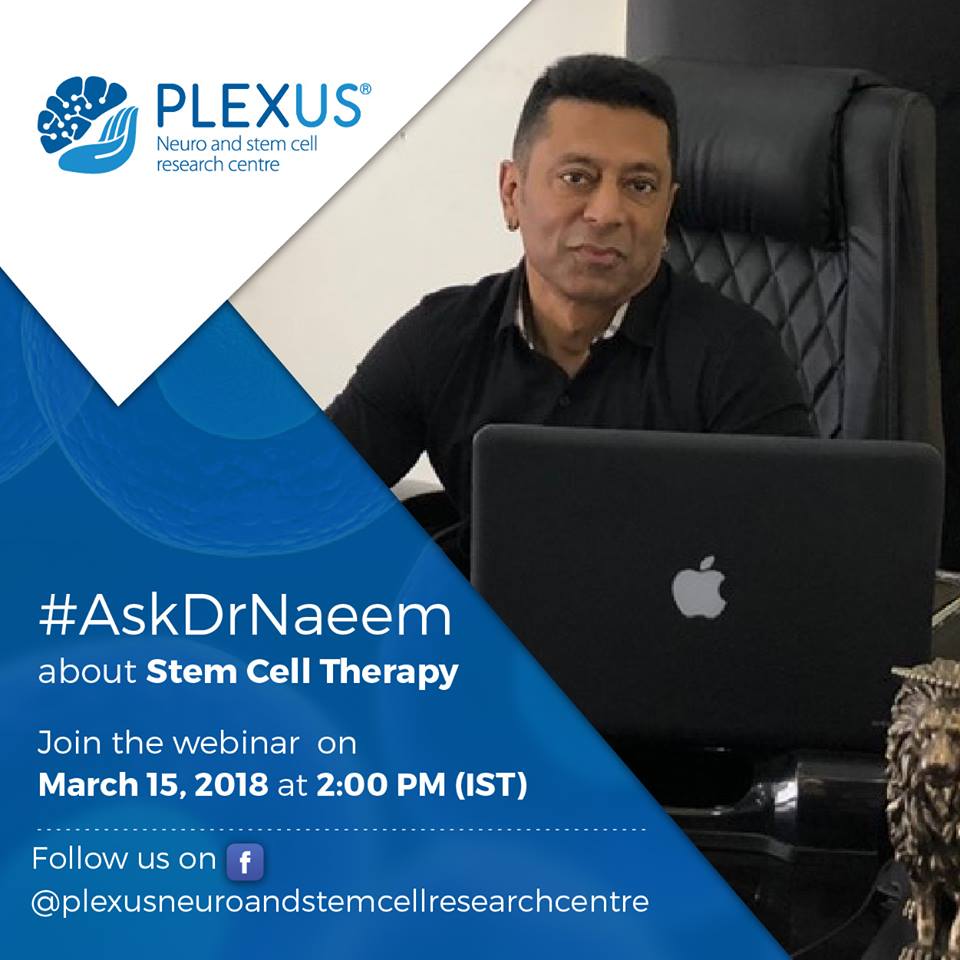
Dr. Na’eem Sadiq
Medical Director of Plexus
Dr. Na’eem Sadiq is a globally recognized neurologist and neuropsychiatrist, renowned for his contributions to the treatment of complex neurological disorders. He founded Plexus in 2011 with a mission to enhance the quality of life for patients living with neurological conditions.
With over 35 years of clinical experience, Dr. Sadiq is considered a leading expert in the field. His internationally acclaimed research spans key topics such as Demyelinating Polyneuropathy, Multiple Sclerosis, Epilepsy, and Migraine, positioning him at the forefront of neurological care worldwide.