
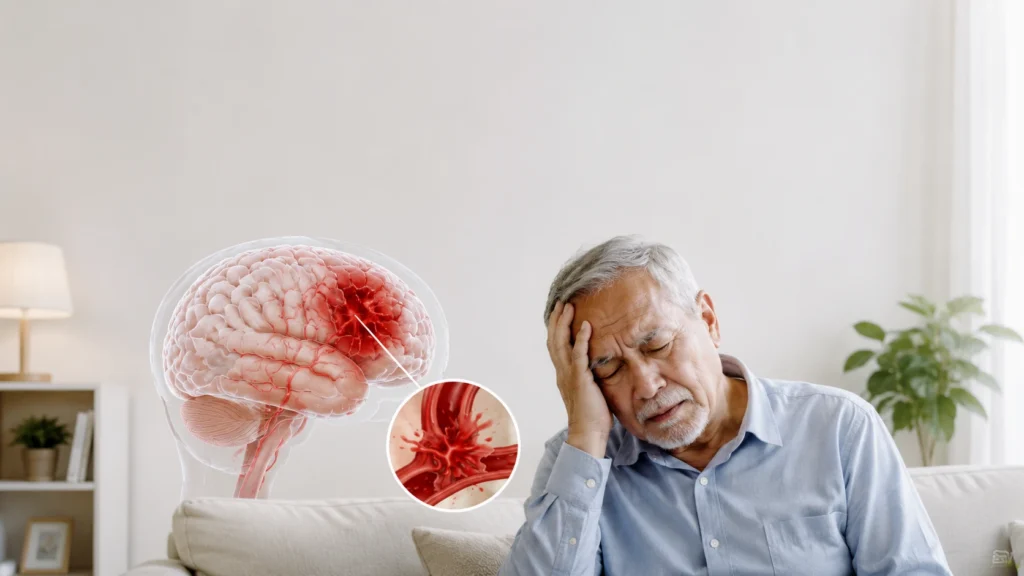
What Is Ischemic Stroke?
An ischemic Stroke occurs when blood flow to a part of the brain is blocked, usually by a blood clot or a narrowed artery. This blockage prevents oxygen and nutrients from reaching brain cells, causing them to become damaged or die. It is the most common type of stroke, accounting for approximately 80–85% of all stroke cases. Ischemic strokes can happen suddenly and require immediate medical attention, as early treatment can minimize brain damage and improve recovery outcomes.
Ready to Begin?
Our centres in Bengaluru (HRBR Layout) and Hyderabad are open Monday to Saturday, 8:30 AM to 6:30 PM.
Types of Ischemic Stroke
| Type of Ischemic Stroke | Description | Common Causes | Symptoms |
| Thrombotic Stroke | Occurs when a blood clot (thrombus) forms in an artery supplying blood to the brain, blocking blood flow. | Atherosclerosis (plaque buildup), high cholesterol, high blood pressure | Sudden numbness or weakness (usually one side), difficulty speaking, vision problems |
| Embolic Stroke | Happens when a blood clot or debris forms elsewhere (often the heart) and travels to the brain, causing a blockage. | Atrial fibrillation, heart valve disease, recent heart attack | Sudden weakness or paralysis, trouble speaking, facial drooping, loss of coordination |
| Lacunar Stroke | Small strokes caused by blockage of tiny arteries deep within the brain, often affecting movement and coordination. | Chronic hypertension, diabetes, small vessel disease | Weakness in hands, feet, or face, difficulty walking, balance issues |
| Cryptogenic Stroke | Stroke with no clearly identifiable cause even after extensive testing. | Unknown, sometimes linked to silent heart arrhythmias or clotting disorders | Symptoms similar to other strokes: numbness, speech difficulty, sudden vision changes |
| Transient Ischemic Attack (TIA) | Also called a “mini-stroke,” caused by a temporary blockage of blood flow. Symptoms usually last a few minutes to hours. | Small clots or narrowed arteries, early warning sign of a future stroke | Sudden weakness or numbness, trouble speaking, vision problems, dizziness; symptoms resolve quickly |
Causes of Ischemic Stroke
1. Atherosclerosis (Narrowed Arteries)
Atherosclerosis is the buildup of fatty deposits, called plaques, inside the blood vessels. Over time, these plaques narrow and harden the arteries, reducing blood flow to the brain. If a plaque ruptures, it can form a blood clot that completely blocks the artery, triggering an ischemic stroke. This condition is often linked to high cholesterol, poor diet, and aging, making it a major contributor to Stroke risk.
2. Blood Clots
Blood clots can form in the arteries supplying the brain or travel from other parts of the body, such as the heart. When a clot blocks blood flow in the brain, it cuts off oxygen supply to brain cells, causing damage. People with conditions like atrial fibrillation, deep vein thrombosis, or recent surgery are at higher risk of developing these clots, which are one of the leading causes of ischemic stroke.
3. Heart Disorders
Certain heart conditions significantly increase the risk of ischemic stroke. Irregular heart rhythms (arrhythmias), heart valve disease, and previous heart attacks can cause clots that travel to the brain. For example, in atrial fibrillation, the heart does not beat effectively, allowing blood to pool and form clots, which may then reach the brain and block blood vessels.
4. High Blood Pressure (Hypertension)
Chronic high blood pressure damages the walls of blood vessels, making them more prone to narrowing or clot formation. Hypertension increases the workload on the heart and accelerates the development of atherosclerosis, which can lead to blockages in brain arteries. Managing blood pressure is therefore one of the most critical ways to reduce the risk of ischemic stroke.
5. Lifestyle and Medical Risk Factors
Several lifestyle and medical conditions contribute to ischemic Stroke risk. Diabetes can damage blood vessels over time, while smoking and excessive alcohol intake promote clot formation. Obesity and a sedentary lifestyle also increase the likelihood of high blood pressure, cholesterol issues, and diabetes, creating a combination of risk factors that significantly elevate stroke risk.
Symptoms of Ischemic Stroke
1. Sudden Weakness or Numbness
One of the most common signs of an ischemic stroke is sudden weakness, numbness, or tingling, usually on one side of the body—affecting the face, arm, or leg. This occurs because the blocked blood flow prevents brain cells from functioning properly, leading to loss of muscle control. Patients may notice that one arm feels weak when trying to lift it or that their smile appears uneven.
2. Difficulty Speaking or Understanding Speech
Ischemic strokes can affect the parts of the brain responsible for language. Individuals may have trouble speaking clearly, forming words, or understanding conversations. This symptom, known as aphasia, can appear suddenly and may vary from mild confusion to complete inability to communicate effectively. Prompt recognition is essential for timely treatment.
3. Sudden Vision Problems
A Stroke may cause partial or complete vision loss in one or both eyes. Patients may experience blurred vision, double vision, or a sudden darkening of their visual field. These symptoms result from impaired blood flow to the parts of the brain that process visual information and require immediate medical attention.
4. Severe Headache
Although more common in hemorrhagic strokes, some ischemic strokes can trigger a sudden, intense headache with no known cause. This headache is often accompanied by other neurological symptoms, such as dizziness or confusion, signaling the need for urgent evaluation.
5. Loss of Balance or Coordination
Ischemic strokes affecting the cerebellum or brain can lead to dizziness, unsteady walking, and difficulty maintaining balance or coordination. Patients may feel unusually clumsy, have trouble grasping objects, or experience sudden falls. Recognizing these early signs can significantly improve treatment outcomes.
6. FAST Warning Signs
A simple way to remember stroke symptoms is the FAST acronym:
- F – Face drooping on one side
- A – Arm weakness
- S – Speech difficulty
- T – Time to seek emergency care immediately
Early recognition of these warning signs is critical, as every minute counts in reducing brain damage and improving recovery.
Diagnosis of Ischemic Stroke
1. Neurological Examination
The first step in diagnosing an ischemic Stroke is a thorough neurological examination. Doctors assess reflexes, muscle strength, coordination, balance, and speech. This helps identify which part of the brain is affected and the severity of the stroke. Early evaluation is critical to determine the most effective treatment strategy and prevent further brain damage.
2. Imaging Tests
Brain imaging is essential to confirm the diagnosis and distinguish ischemic strokes from hemorrhagic strokes.
- CT Scan (Computed Tomography): A quick imaging test that helps detect blocked arteries or bleeding in the brain.
- MRI (Magnetic Resonance Imaging): Provides detailed images of brain tissue to identify areas affected by the stroke and assess the extent of damage.
3. Blood Tests
Blood tests are conducted to check for underlying conditions that may have caused the stroke, such as diabetes, high cholesterol, or blood clotting disorders. These tests also help rule out other conditions with similar symptoms.
4. Heart Tests
Since many ischemic Stroke are caused by clots from the heart, doctors may recommend ECG (Electrocardiogram) and echocardiography. These tests identify irregular heart rhythms, heart valve issues, or clots in the heart that could travel to the brain.
5. Additional Diagnostic Procedures
In some cases, carotid ultrasound or angiography may be performed to examine the blood vessels in the neck and brain. These tests detect blockages or narrowing that could increase the risk of future strokes and help doctors plan preventive treatments.
Early and accurate diagnosis of ischemic stroke is crucial for timely treatment, which can save lives and significantly improve recovery outcomes.
Treatment of Ischemic Stroke at Plexus
At Plexus , ischemic Stroke patients receive comprehensive, multi-disciplinary care to restore function, improve quality of life, and prevent recurrence. Treatment begins with emergency management and continues with personalized rehabilitation programs tailored to each patient’s needs.
1. Physiotherapy
Physiotherapy at Plexus focuses on restoring strength, balance, and mobility. Specialized exercises help patients regain muscle control, reduce spasticity, and improve walking and coordination. Regular sessions accelerate recovery and enhance independence in daily activities.
2. Occupational Therapy
Occupational therapy helps patients perform daily tasks independently, such as dressing, eating, and writing. Therapists work on fine motor skills, hand-eye coordination, and adaptive techniques, empowering patients to regain confidence and functionality in everyday life.
3. Speech Therapy
Stroke can affect communication and swallowing. Plexus speech therapists assist patients in regaining speech, language comprehension, and effective communication skills. Therapy also addresses dysarthria and aphasia, improving overall social interaction and quality of life.
4. Swallowing Therapy
Swallowing difficulties (dysphagia) are common after stroke. Plexus swallowing therapy trains safe swallowing techniques, prevents aspiration, and ensures adequate nutrition and hydration, reducing the risk of complications like pneumonia.
5. Cognitive Therapy
Cognitive therapy focuses on memory, attention, problem-solving, and executive function affected by the stroke. Structured exercises help patients regain mental agility and adapt to changes in thinking or perception.
6. Aquatic Therapy
Aquatic therapy is a unique, low-impact rehabilitation method where exercises are performed in water. The buoyancy reduces strain on joints, while water resistance improves strength, balance, and mobility. This therapy is especially helpful for patients with severe weakness or limited mobility.
Why Choose Plexus in India
Selecting the right rehabilitation centre significantly impacts recovery outcomes. Plexus stands out for several reasons:
Expertise: Established in 2011, Plexus specializes in neurological and regenerative rehabilitation, having treated hundreds of thousands of patients and earned a strong reputation in complex nerve-injury care. The centre’s specialists are highly experienced in both neurology and neurosurgery, providing a comprehensive spectrum of care under a single facility.
Facilities & Multidisciplinary Team: Plexus is India’s first ISO-certified regenerative rehabilitation and research centre, featuring state-of-the-art diagnostic imaging, surgical theatres, and dedicated rehabilitation suites. The interdisciplinary team includes neurologists, neurosurgeons, physiotherapists, occupational therapists, pain specialists, and regenerative medicine experts, all collaborating to deliver integrated and coordinated care.
Patient Journey & Access: From initial consultation to discharge and long-term follow-up, patients receive guidance through every stage of recovery. Plexus supports both domestic and international patients, offering cost-effective care without compromising quality. Comfortable outpatient programs, structured therapy plans, and easy access to medical professionals are integral parts of the patient experience.
Ready to Begin?
Our centres in Bengaluru (HRBR Layout) and Hyderabad are open Monday to Saturday, 8:30 AM to 6:30 PM.
Other Disorders Treated at Plexus
At Plexus,expertise extends to offer comprehensive care for a variety of neurological and related conditions. Plexus provide specialized treatments for disorders such as, Brachial Plexus Injury , Spinocerebellar Ataxia, Sensory Processing Disorder (SPD), Cerebral Palsy, Multiple Sclerosis,Parkinson’s disease, Spinal Cord Injury, Motor Neuron Disease, Stroke, Autoimmune Conditions, Orthopedic Conditions, and Sports Injuries. Plexus multidisciplinary approach, incorporating therapies like Cell Therapy, Physiotherapy, Occupational Therapy, Aquatic Therapy, and Speech Therapy, ensures personalized care tailored to each condition, helping patients achieve improved mobility, function, and quality of life.
FAQs
What is an ischemic stroke?
An ischemic stroke occurs when a blood clot or narrowed artery blocks blood flow to the brain, causing brain cell damage. It is the most common type of stroke.
How is ischemic stroke treated at Plexus?
At Plexus, ischemic stroke treatment includes physiotherapy, occupational therapy, speech and swallowing therapy, cognitive therapy, and aquatic therapy. Each patient receives a personalized rehabilitation plan for faster recovery.
How soon should stroke treatment begin?
Treatment should begin immediately after stroke symptoms appear. Early intervention, ideally within a few hours, can significantly reduce brain damage and improve recovery outcomes.
Can speech and swallowing improve after stroke?
Yes. Speech therapy helps regain communication skills, while swallowing therapy addresses dysphagia, improves safe swallowing, and prevents complications such as aspiration pneumonia.
What lifestyle changes help prevent another ischemic stroke?
Maintaining healthy blood pressure, regular exercise, balanced diet, quitting smoking, and managing diabetes or cholesterol can significantly reduce the risk of recurrent strokes.
About the Author
Dr. Na’eem Sadiq
Medical Director of Plexus
Dr. Na’eem Sadiq is a globally recognized neurologist and neuropsychiatrist, renowned for his contributions to the treatment of complex neurological disorders. He founded Plexus in 2011 with a mission to enhance the quality of life for patients living with neurological conditions.
With over 35 years of clinical experience, Dr. Sadiq is considered a leading expert in the field. His internationally acclaimed research spans key topics such as Demyelinating Polyneuropathy, Multiple Sclerosis, Epilepsy, and Migraine, positioning him at the forefront of neurological care worldwide.