

Understanding Speech and Language Disorders After a Stroke
A stroke can damage brain areas responsible for speech, language, and swallowing. This may result in aphasia, dysarthria, apraxia of speech, or cognitive-communication difficulties. Recovery depends on neuroplasticity and timely rehabilitation.
At Plexus, we combine regenerative medicine with advanced neuro-rehabilitation and Speech Therapy to support recovery and help individuals regain functional communication after stroke.
What Is Regenerative Medicine?
Regenerative Medicine focuses on repairing, restoring, or regenerating damaged tissues and neural pathways by activating the body’s natural healing mechanisms. In stroke care, it aims to support brain recovery and improve functional outcomes such as speech and communication.
How Regenerative Therapy Helps Improve Communication Post-Stroke
Regenerative Therapy supports neural repair and enhances brain plasticity, helping reconnect speech and language networks. When combined with rehabilitation, it may improve articulation, comprehension, voice control, and cognitive processing.
Combining Regenerative Therapy and Translational Medicine with Traditional Speech Rehab for Best Results
Regenerative Therapy and translational medicine bridge research and clinical practice, allowing advanced treatments to work alongside conventional speech therapy. This integrated approach can accelerate recovery and improve long-term communication outcomes.
How Neuro-Rehabilitation Supports Recovery of Speech and Language Skills
Neuro-rehabilitation retrains the brain through repetition, task-specific practice, and sensory feedback. Speech Therapy, cognitive training, and motor rehabilitation together help patients relearn language and communication skills.
What to Expect During Your Speech and Language Disorder Treatment Journey
Treatment begins with a detailed assessment, followed by a personalized plan combining Regenerative Medicine, neuro-rehab, and speech therapy. Progress is monitored continuously, with therapies adapted to recovery milestones.
Other Disorders and Treatments Offered at Plexus
Other Therapies:
- Aquatic Therapy
- Physiotherapy
- Occupational Therapy
- Cognitive Therapy
- Sensory Integration Therapy
- Behavior Therapy
- Hand Rehabilitation
- Custom Splinting and Orthotics
- Speech and Language Therapy
- Early Intervention Program
- Swallowing Therapy
- Obesity and Lifestyle Management
Other Disorders Treated:
- Brachial Plexus Injury
- Spinocerebellar Ataxia
- Sensory Processing Disorder (SPD)
- Cerebral Palsy
- Multiple Sclerosis
- Spinal Cord Injury
- Motor Neuron Disease
- Stroke
- Autoimmune Conditions
- Orthopedic Conditions
- Sports Injuries
Why Plexus Is the Best Choice for Treatments in India
Plexus combines multidisciplinary rehabilitation with advanced Regenerative Medicine approaches, offering evidence-based, patient-centric care under one roof.
Start Your Journey to Improved Communication with Regenerative Rehab at Plexus
With the right blend of Regenerative Therapy, neuro-rehabilitation, and Speech and Language Therapy, recovery is possible. Plexus is committed to helping individuals regain their voice and confidence after stroke.
Reach Out to Us
WhatsApp: +91 89048 42087
Call: +91 78159 64668 (Hyderabad) | +91 93555 33404 (Bangalore)
FAQs
How does Regenerative Medicine help improve speech after a stroke?
Regenerative Medicine supports brain repair and neuroplasticity, helping damaged speech-related neural pathways recover and function more effectively.
How long does it take to see improvements in speech after stroke therapy?
Improvements can begin within weeks, but meaningful recovery often takes several months and depends on stroke severity, therapy intensity, and consistency.
Can Regenerative Therapy be combined with traditional Speech Therapy for better results?
Yes, combining Regenerative Therapy with speech therapy often enhances outcomes by improving brain healing while reinforcing speech and language skills.
How does neuro-rehabilitation enhance speech recovery after a stroke?
Neuro-rehabilitation retrains the brain through repetitive, task-based exercises that strengthen speech, language, and cognitive functions.
How do lifestyle changes support recovery from speech and language disorders post-stroke?
Healthy nutrition, regular exercise, mental stimulation, stress management, and good sleep support brain healing and improve therapy results.
About the Author
Dr. Na’eem Sadiq
Medical Director of Plexus
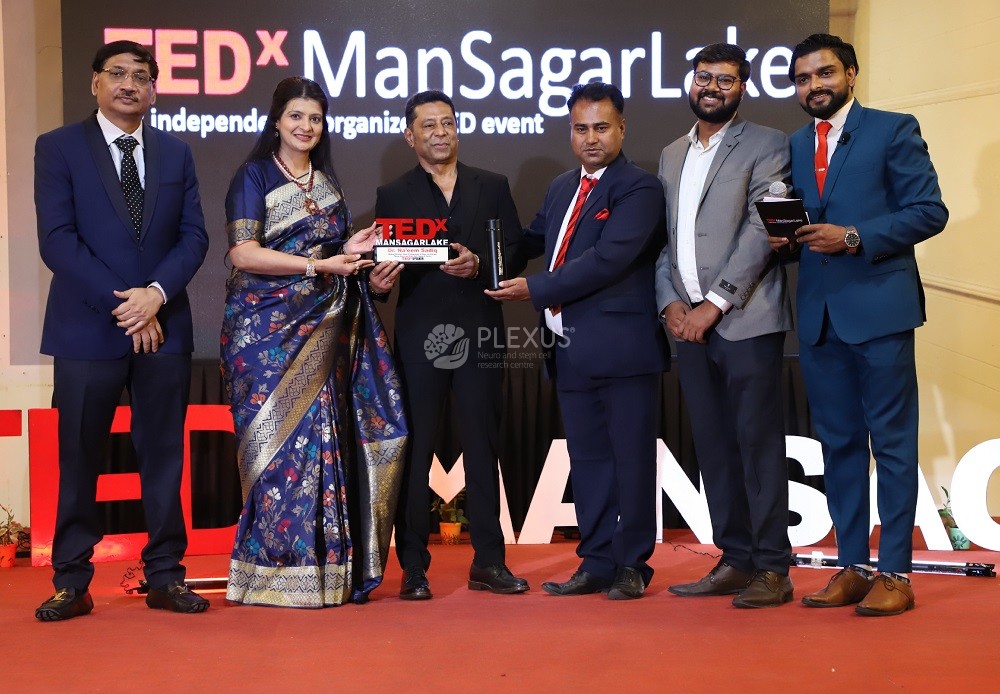
Dr. Na’eem Sadiq is a globally recognized neurologist and neuropsychiatrist, renowned for his contributions to the treatment of complex neurological disorders. He founded Plexus in 2011 with a mission to enhance the quality of life for patients living with neurological conditions.
With over 35 years of clinical experience, Dr. Sadiq is considered a leading expert in the field. His internationally acclaimed research spans key topics such as Demyelinating Polyneuropathy, Multiple Sclerosis, Epilepsy, and Migraine, positioning him at the forefront of neurological care worldwide.