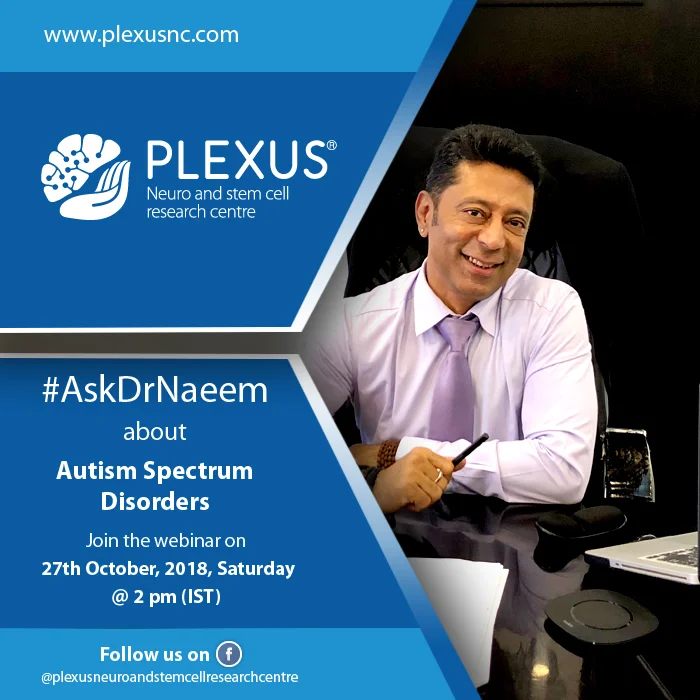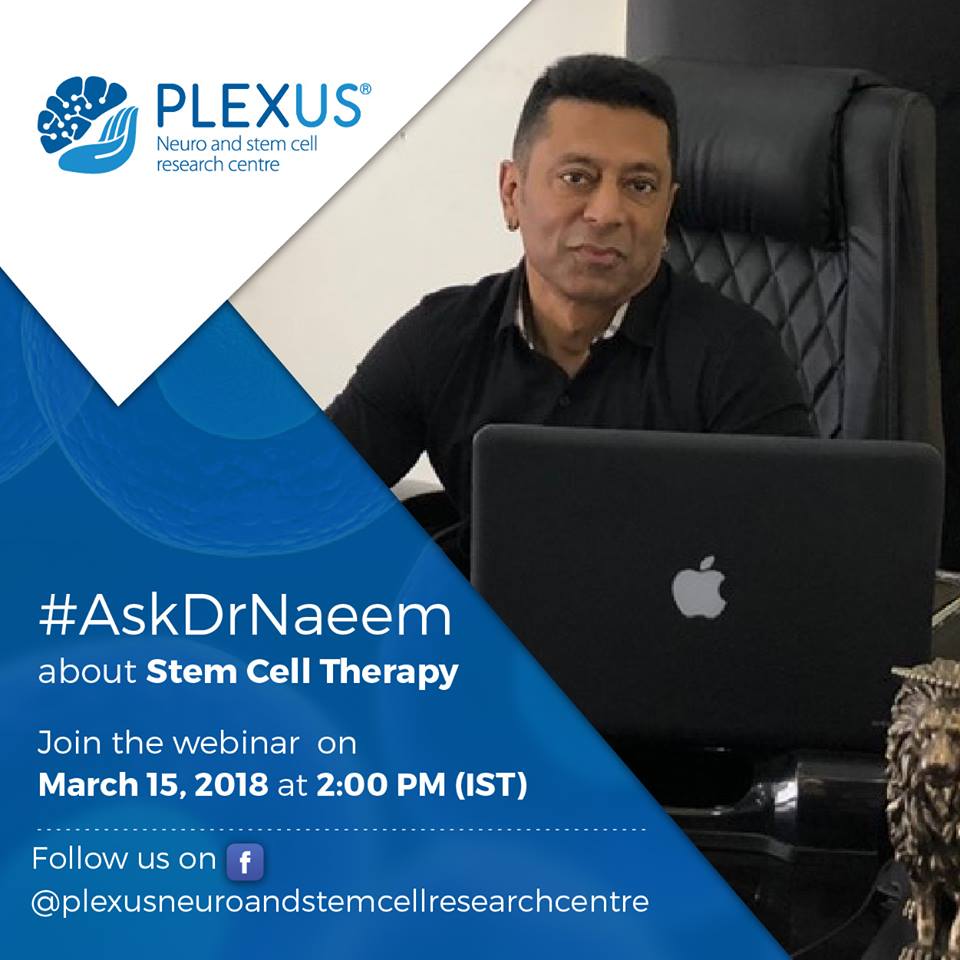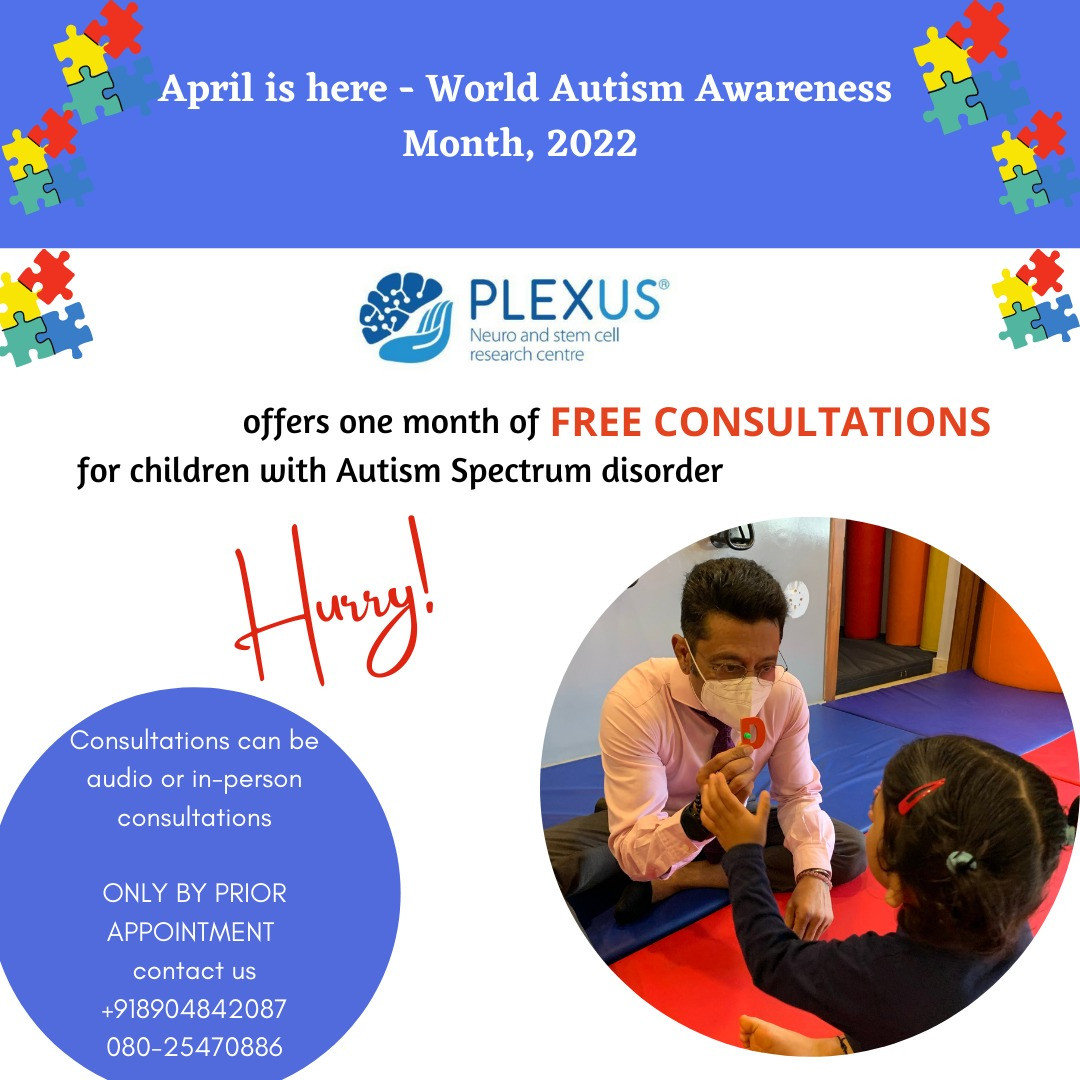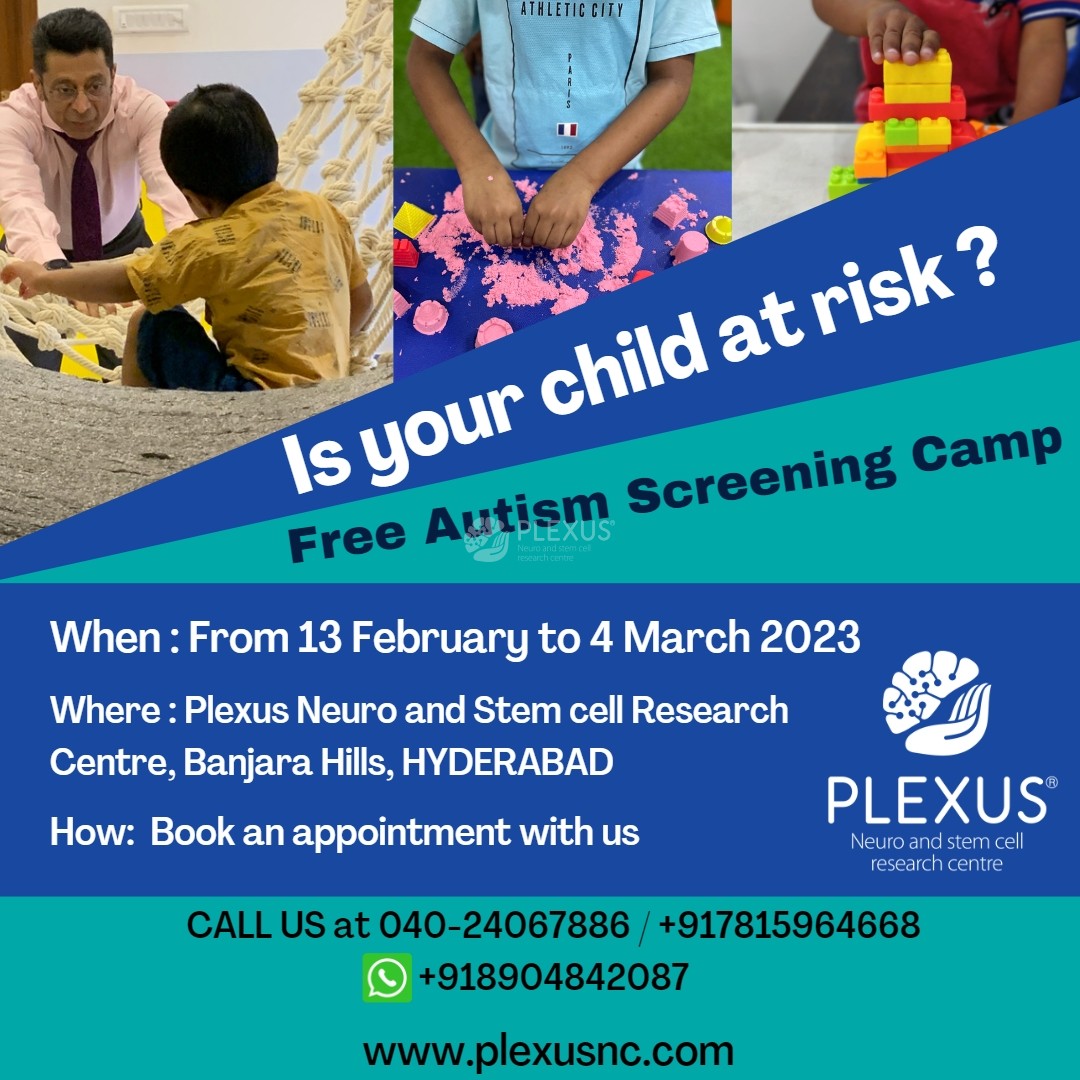


Movement disorders like Parkinson’s Disease and Ataxia can drastically affect a person’s daily life. Simple tasks like walking, holding objects, or maintaining balance can become challenging, and this often leads to frustration and a loss of independence.
At Plexus, we focus on helping patients regain control of their movement and improve quality of life through a combination of Regenerative Medicine, rehabilitation, and holistic therapies.
Understanding Movement Disorders and Their Impact
Movement disorders are neurological conditions that affect how the brain controls muscles. In Parkinson’s Disease, the brain produces less dopamine, causing tremors, stiffness, and slow movements. Ataxia, on the other hand, affects coordination and balance, making even simple tasks like walking or picking up objects difficult. Both conditions can impact daily routines, social interactions, and overall well-being.
How Regenerative Medicine Supports Recovery
So, what is Regenerative Medicine? In simple terms, it’s a branch of medicine that helps the body repair and restore damaged tissues. For movement disorders, Regenerative Therapy can help repair neural pathways, improve muscle control, and enhance coordination. By targeting the root causes of impaired movement, it complements traditional therapies and offers a path toward better functional outcomes.
Combining Regenerative Therapy and Translational Medicine with Traditional Treatments
While traditional rehabilitation—like Physiotherapy, Occupational Therapy, and balance training—is essential, combining it with Regenerative Therapy and translational medicine can accelerate recovery. This integrated approach works by stimulating neural repair while simultaneously retraining the muscles and brain to work together more efficiently. Patients often experience improved mobility, better coordination, and greater confidence in performing daily activities.
How Plexus Helps
At Plexus, we take a holistic approach to movement disorders. Our therapies include:
- Aquatic Therapy
- Physiotherapy
- Occupational Therapy
- Cognitive Therapy
- Sensory Integration Therapy
- Behavior Therapy
- Hand Rehabilitation
- Custom Splinting and Orthotics
- Speech and Language Therapy
- Early Intervention Program
- Swallowing Therapy
- Obesity and Lifestyle Management
Other Disorders Treated:
- Brachial Plexus Injury
- Spinocerebellar Ataxia
- Sensory Processing Disorder (SPD)
- Cerebral Palsy
- Multiple Sclerosis
- Spinal Cord Injury
- Motor Neuron Disease
- Stroke
- Autoimmune Conditions
- Orthopedic Conditions
- Sports Injuries
Why Plexus is the Best Choice in India
Our unique combination of advanced Regenerative Medicine and multidisciplinary rehabilitation ensures that every patient receives a personalized treatment plan. From stem cell therapies to structured movement programs, Plexus helps patients achieve meaningful improvements in mobility, balance, and overall quality of life.
Take Control of Your Movement
Movement disorders don’t have to define your life. With the right mix of Regenerative Therapy, traditional rehabilitation, and ongoing support, it’s possible to regain independence, confidence, and control. At Plexus, we’re committed to helping you move better, feel better, and live better.
Reach Out to Us
WhatsApp: +91 89048 42087
Call: +91 78159 64668 (Hyderabad) | +91 93555 33404 (Bangalore)
FAQs
What is Parkinson’s Disease, and how does it affect movement?
Parkinson’s is a neurological disorder that reduces dopamine in the brain, causing tremors, stiffness, slow movement, and balance issues.
What is Ataxia, and how does it differ from Parkinson’s Disease?
Ataxia affects coordination and balance due to cerebellum dysfunction, while Parkinson’s primarily affects movement speed, muscle control, and causes tremors.
How can Regenerative Medicine help improve mobility in Parkinson’s and Ataxia patients?
Regenerative Medicine supports neural repair, enhances motor control, and promotes better coordination and balance.
Can Regenerative Therapy slow the progression of Parkinson’s Disease?
Yes, Regenerative Therapy can help protect neurons and support brain repair, potentially slowing symptom progression.
How long does it take to see improvements with Regenerative Therapy for Parkinson’s and Ataxia?
Some improvements may appear in weeks, but noticeable gains typically take several months depending on therapy intensity and condition severity
About the Author
Dr. Na’eem Sadiq
Medical Director of Plexus
Dr. Na’eem Sadiq is a globally recognized neurologist and neuropsychiatrist, renowned for his contributions to the treatment of complex neurological disorders. He founded Plexus in 2011 with a mission to enhance the quality of life for patients living with neurological conditions.
With over 35 years of clinical experience, Dr. Sadiq is considered a leading expert in the field. His internationally acclaimed research spans key topics such as Demyelinating Polyneuropathy, Multiple Sclerosis, Epilepsy, and Migraine, positioning him at the forefront of neurological care worldwide.