
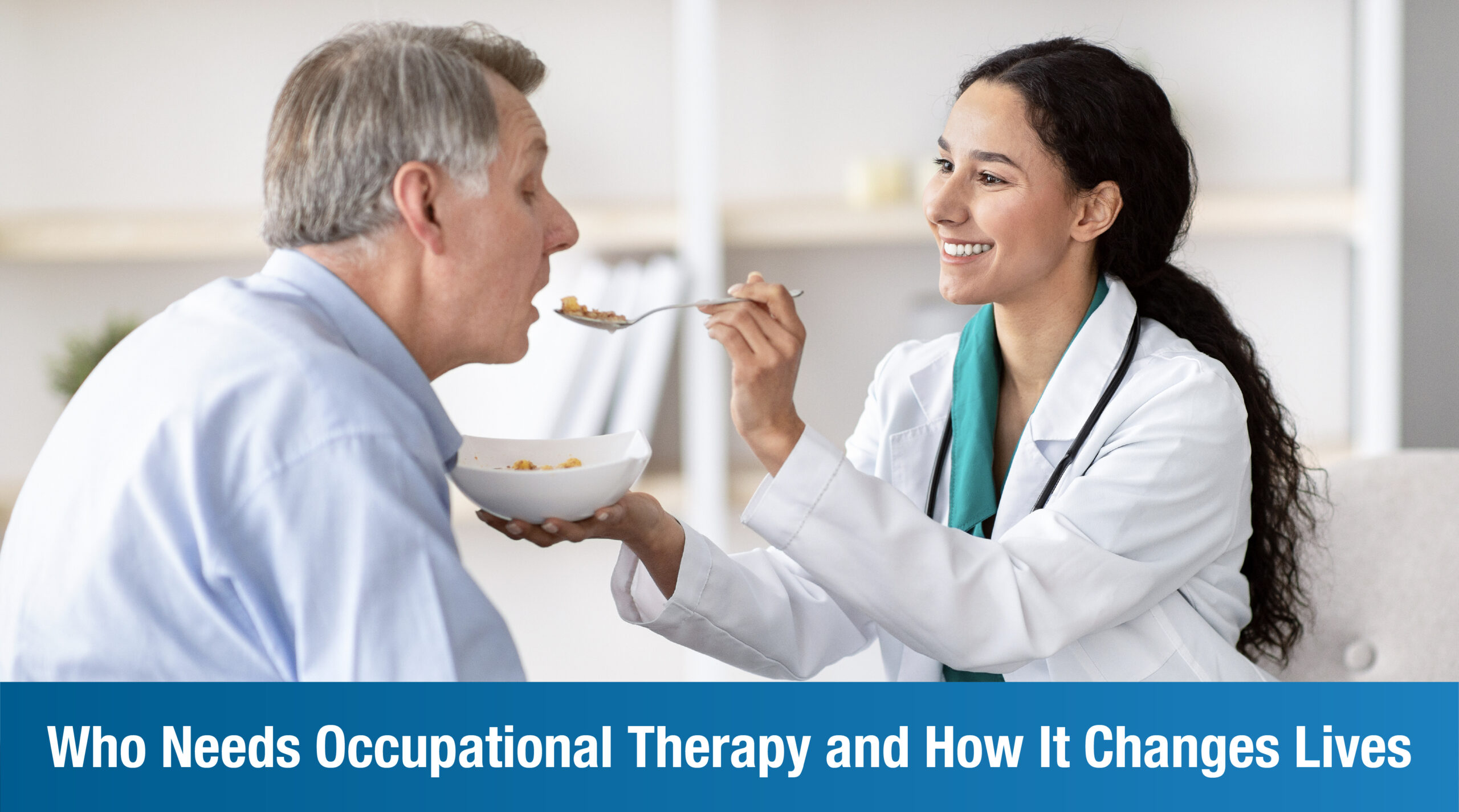
From tying shoelaces to writing a sentence, from cooking a meal to simply holding a spoon—everyday tasks can feel impossible when illness, injury, or developmental challenges get in the way. That’s where occupational therapy comes in. Designed to restore independence and improve quality of life, OT supports individuals of all ages in regaining control over the routines that make life meaningful. Whether it’s a child struggling to focus in school, an adult recovering from a stroke, or a senior hoping to live safely at home, occupational therapy develops confidence and emotional well-being.
What is Occupational Therapy and How Does it Help?
Occupational therapy (OT) is a holistic, client-centered healthcare approach that helps individuals of all ages regain, develop, or maintain the skills needed for everyday living. Whether it’s learning to hold a pencil, getting dressed independently, or returning to work after an injury, OT empowers people to perform meaningful activities and routines with greater ease and confidence. It focuses not just on physical recovery, but also on cognitive, emotional, and social well-being.
Who Can Benefit From Occupational Therapy?
Occupational therapy supports people across the lifespan—children, adults, and seniors—facing physical, sensory, cognitive, or developmental challenges. OT is not limited to post-injury recovery; it’s also beneficial for managing chronic conditions, neurodevelopmental disorders, or age-related decline.
How Occupational Therapy Supports Children’s Development
For children with developmental delays, autism spectrum disorders, or sensory processing difficulties, OT helps improve fine motor skills, attention span, emotional regulation, and daily routines like feeding and dressing. It also aids in building confidence, school readiness, and social participation.
Helping Adults Recover Skills and Independence
After an illness, surgery, stroke, or accident, adults often need help relearning daily tasks. OT guides them through structured rehab to regain mobility, coordination, memory, and work-related capabilities—ultimately restoring their ability to lead independent lives.
Supporting Seniors to Live Safely and Actively
For older adults, OT focuses on fall prevention, home modifications, arthritis management, memory enhancement, and maintaining daily routines. The goal is to help seniors live independently for as long as possible while supporting physical safety and emotional well-being.
Common Signs That Indicate Occupational Therapy Is Needed
- Difficulty performing everyday tasks (dressing, cooking, writing, etc.)
- Developmental delays in children (motor, speech, or social)
- Challenges with focus, coordination, or sensory processing
- Recovering from a stroke, injury, or surgery
- Trouble maintaining balance, safety, or memory as one ages
Early intervention is key—if these challenges interfere with quality of life, occupational therapy can make a meaningful difference.
Life-Changing Benefits of Occupational Therapy
- Enhanced motor coordination and strength
- Better emotional regulation and social skills
- Reduced risk of falls and injuries
- Increased confidence, functionality, and quality of life
By empowering people to take charge of their routines, OT supports holistic health and restores dignity in everyday living.
How Plexus Provides Tailored Occupational Therapy Programs
At Plexus, we understand that no two individuals are the same. That’s why our occupational therapy programs are fully personalized—based on age, condition, goals, and lifestyle. Our multidisciplinary team works closely with clients and families to create structured, realistic, and measurable rehab plans.
Whether it’s pediatric therapy for developmental delays, neuro-rehabilitation for stroke recovery, or elder care for safe aging, we combine evidence-based techniques with compassionate, one-on-one care. From therapy rooms to home-care strategies, our approach is designed to promote progress that lasts.
FAQs
What are common signs that someone might need occupational therapy?
Struggles with daily tasks, coordination issues, memory problems, or developmental delays in children are common signs. If daily function is impacted, OT can help.
How does occupational therapy help children with developmental delays?
It helps children develop motor skills, focus, emotional regulation, and independence—setting a foundation for school and social life.
Can adults benefit from occupational therapy after injury or illness?
Absolutely. OT helps adults regain essential life skills like dressing, mobility, and returning to work or home routines after an injury or illness.
How does occupational therapy support elderly individuals?
It promotes safe aging by reducing fall risks, improving memory, and maintaining independence in daily activities through adaptive strategies and home modifications.
What makes Plexus’s occupational therapy programs unique?
Plexus offers individualized, goal-oriented programs led by an expert team, blending advanced therapies with a compassionate, client-first approach across all age groups.
About the Author
Dr. Kanishka Sharma, MOT
Therapy Coordinator & Head of Rehabilitation
Dr. Kanishka Sharma is an experienced occupational therapist specializing in neurological, musculoskeletal, and pediatric rehabilitation. With over a decade of clinical expertise, she leads the Rehabilitation Department at Plexus. She holds a BOT and MOT from Manipal University and is certified in splint and assistive device design.
Passionate about restoring independence, Dr. Kanishka takes a family-centered approach to therapy — working closely with patients and caregivers to set meaningful goals and achieve lasting outcomes.