⚠️ Fraud Alert: Beware of Forged Documents — It has come to our notice that unauthorized individuals are using fake Plexus letterheads and forged signatures to solicit money. We have reported the matter to the authorities and are pursuing legal action. If you receive any suspicious letter, message, or call claiming to be from Plexus, please do not engage. To verify, contact us at 📞 9355533404 | 📧 info@plexusnc.com — Please stay alert and help us spread the word.
Home / Motor Neuron Disease

Experience the revolutionary healing power of Motor Neuron Disease

mnd image
mnd one

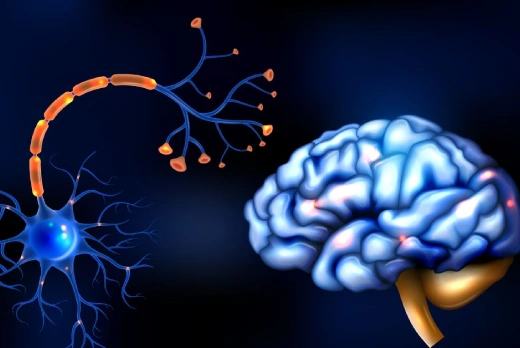
Did you know that each time you speak to a friend, go for a long walk or chew your favourite food, your motor neurons coordinate the muscle activity involved? Motor neuron disease (MND), also written as motor neurone disease, affects these nerve cells, so the messages that control movement gradually stop reaching the muscles. Amyotrophic lateral sclerosis (ALS) is the most common type. 

Understanding MND can help individuals and their families make informed decisions about clinical care, rehabilitation and everyday support. Before we go further, here is how the two main types of motor neurons work: 

  • Upper motor neurons in the brain send messages to the spinal cord.
  • Lower motor neurons in the spinal cord pass those messages on to the muscles.

Symptoms Motor Neuron Diseases

The MND symptoms a person experiences depend on the type of MND and the motor neurons affected. Early signs of MND can be subtle and may resemble other conditions.

Possible symptoms include:

  • Weakness in the hands, legs or shoulders.
  • A weak grip or difficulty holding objects.
  • Foot drop, dragging of a leg or frequent trips.
  • Balance and coordination problems
  • Muscle cramps, stiffness and fasciculations (small, involuntary muscle twitches).
  • Slurred speech, known as dysarthria.
  • Difficulty chewing or swallowing, known as dysphagia.
  • Fatigue and breathlessness, particularly if breathing muscles are affected.
  • Changes in emotional expression, sometimes called emotional lability.
Causes Motor Neuron Diseases

The exact causes of motor neuron disease are not fully understood. Research suggests that genetic and biological factors may contribute to its development, while environmental and lifestyle influences are still being investigated.

  • Genetic factors: Some cases are familial, meaning the condition occurs in more than one family member. Changes in genes such as C9orf72 and SOD1 are associated with familial forms of the condition. However, most cases are not known to be inherited.
  • Age and sex: MND risk varies with age and sex, although these factors do not determine whether someone will develop the condition.
  • Environmental and lifestyle factors: Researchers are investigating possible links with environmental chemicals, toxins, viral infections and intense physical activity. None has been established as a direct cause.
  • Mitochondrial dysfunction: Problems with mitochondria, which produce energy within cells, may contribute to motor neuron damage.
  • Oxidative injury: Damage caused by oxidative stress is being studied for its possible role in the condition.
  • Changes in neuronal excitability: Researchers are examining whether abnormal levels of activity in nerve cells may contribute to motor neuron damage.
Treatment for Motor Neuron Diseases at Plexus

MND care is planned around each person’s symptoms, daily activities and changing needs. Medical and rehabilitation professionals work together to help manage symptoms and identify appropriate support.

Medical Care

MND care is usually led by a neurologist, working with a multidisciplinary team. Depending on the person’s needs, medical care may include medication to help slow progression in some people, support with breathing such as non-invasive ventilation, and nutrition support if swallowing becomes difficult (NICE, 2019). Your neurologist can explain which options suit you.

rehabilitation for spinocerebellar ataxia physio
speech therapy

Physiotherapy

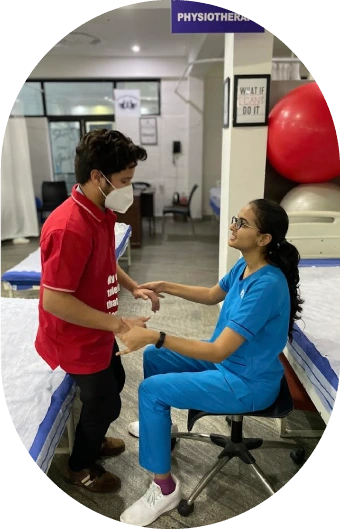
Physiotherapy may help people with MND maintain mobility, comfort and independence. A physiotherapist may recommend walking and balance exercises, posture support, joint mobility exercises, gentle stretching, strengthening, breathing exercises and mobility aids. The therapy can also address cramps, stiffness and limb or shoulder pain.

Occupational Therapy

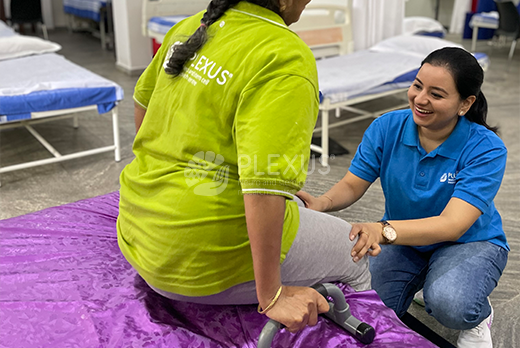
MND occupational therapy focuses on everyday activities. An occupational therapist can suggest ways to manage fatigue and conserve energy while eating, dressing, bathing or moving around the home. Support may include hand-function strategies, splints, adaptive equipment, falls prevention and home adaptations.

spino cerebellar ataxia occupational
speech therapy

Speech Therapy

Speech and language support can help with communication and swallowing changes. MND speech therapy may include communication aids, voice banking and compensatory strategies. A speech and language therapist can also assess swallowing difficulties, discuss safer ways to eat and drink, and advise on saliva management.

Mental Health Therapy

Changes in communication, movement and daily routines can affect a person’s emotional wellbeing. Living with MND may involve anxiety, low mood, grief or difficulty adjusting to a diagnosis. Mental health therapy can help people develop coping strategies. Family members and caregivers may also need support.

spino cerebellar ataxia occupational
Our Therapy Programme at Plexus

At Plexus, care for MND starts with a doctor-led assessment of how the condition is affecting walking, hand use, speech, swallowing and breathing. The plan that follows is built around what matters most, bringing together physiotherapy, occupational therapy, speech and swallowing therapy, mental health therapy, and Cell Therapy for patients found eligible after assessment.

Under the guidance of Dr. Na’eem Sadiq, the individual rehabilitation plan may include endurance training, breathing exercises, dysphagia management, hand-function training, oral-structure exercises, strength training, stretching, functional splinting and activities of daily living (ADL) training. Mental health therapy supports both the person and their family through a progressive diagnosis.

Plexus offers motor neuron disease therapy in Bangalore and Hyderabad. The plan is reviewed regularly and adjusted as your needs change. Individual outcomes vary.

If you would like to talk through what support might help, contact Plexus to enquire.

What our patients say

FAQs answered

Some forms of MND are inherited, but many people have no known family history. A genetic counsellor or neurologist can discuss family history and whether genetic assessment is appropriate.

MND mainly affects voluntary muscle movement. Sensation and bladder or bowel function are often less affected, but individual experiences can differ.

ALS is the most common type of motor neuron disease (MND). MND refers to the broader group of conditions affecting motor neurons.

Upper motor neuron damage can cause stiffness and increased muscle tone, while lower motor neuron damage can cause weakness, muscle wasting and twitching.

The main types include ALS, progressive bulbar palsy, primary lateral sclerosis and progressive muscular atrophy. They affect different motor neurons and may begin with different symptoms.

Early signs may include a weak grip, foot drop, repeated trips, muscle cramps, twitching or slurred speech. These symptoms can have other causes, so seek a medical assessment.

MND is more common in older adults, although younger people can also develop it. Age, sex and family history may influence risk, but they cannot predict an individual’s diagnosis.

A neurologist assesses symptoms, medical history and examination findings. Tests may include electromyography (EMG), nerve conduction studies, MRI scans and blood tests. No single test is used in every case.

There is currently no way to stop or reverse MND. Medical care and rehabilitation help manage symptoms and support daily activities.

Progression varies from person to person and between MND types. Regular clinical reviews help the care team respond to changing needs.

Some people experience changes in thinking, behaviour or language. A smaller group may develop frontotemporal dementia. These changes do not affect everyone.

MND does not affect everyone in the same way. Some people experience cramps, stiffness, discomfort or pain associated with ALS, which a healthcare professional can assess and help manage.

No. MND is not contagious and cannot be passed from one person to another through everyday contact.

No. MND is not contagious and cannot be passed from one person to another through everyday contact.

Rehabilitation can support movement, daily tasks, communication and swallowing. It may involve physiotherapy, occupational therapy and speech and swallowing therapy, based on individual needs.

Mental health support can help people manage anxiety, low mood and emotional changes while helping families and caregivers adjust to the condition

wave lines

0 down payment treatment financing is now available with Bajaj Finance. Finance from ₹10,000 to ₹12 lakh with easy EMIs. Know more →

Get in touch with our Motor neuron disease experts today

WhatsApp chat
Book a Free Consultation
Translate »

Need help deciding the next step?

Share your details and our care team will call you back.

Now available: 0 down payment treatment financing with Bajaj Finance.

    By clicking 'Submit', you agree to Terms of Use

    Before you go

    Many families start with a free medical review. No commitment.

    Now available: 0 down payment treatment financing with Bajaj Finance.

      By clicking 'Submit', you agree to Terms of Use