

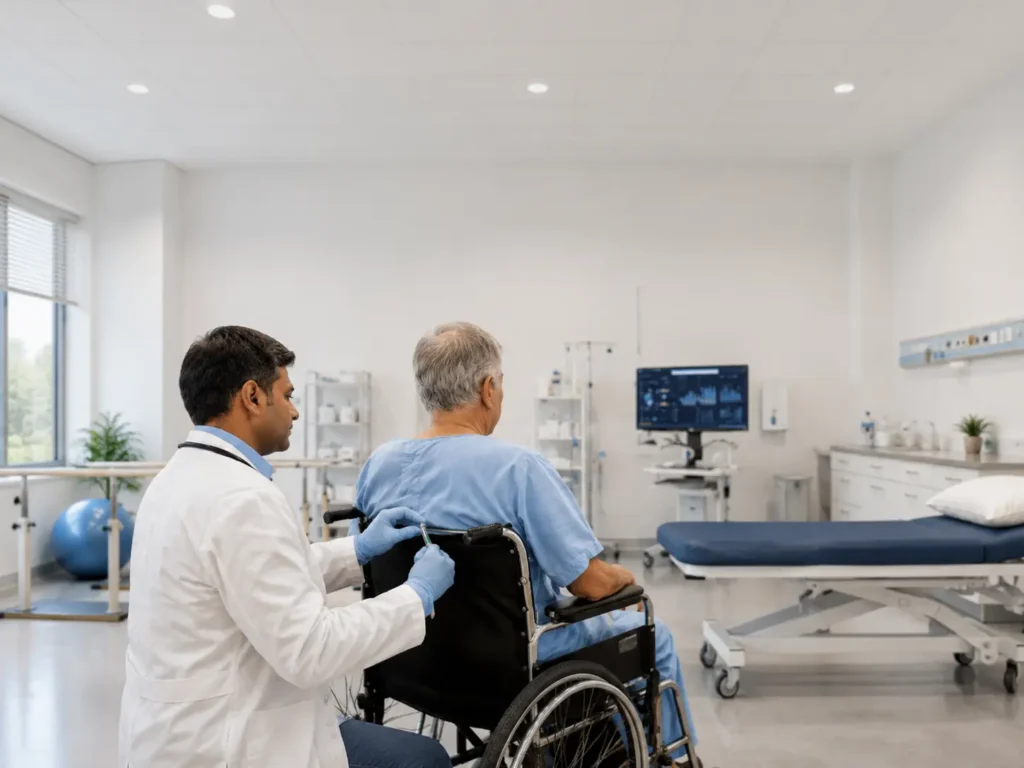
Understanding Spinal Cord Injury and Inflammation
A Spinal Cord Injury (SCI) occurs when trauma, disease, or compression damages the spinal cord, disrupting the communication between the brain and the rest of the body. Beyond the immediate physical damage, SCI triggers a powerful inflammatory response that plays a critical role in determining long-term recovery outcomes. This inflammation begins within minutes of injury and can persist for weeks or even months, often leading to additional damage beyond the original trauma.
Following an SCI, immune cells rush to the injury site and release inflammatory chemicals intended to protect the body. However, excessive or prolonged inflammation can harm surrounding healthy nerve tissue, increase swelling, restrict blood flow, and contribute to scar formation. This secondary inflammatory injury often worsens neurological deficits and limits the body’s natural repair mechanisms. Understanding and managing inflammation is therefore a key focus in advanced Spinal Cord Injury treatment and regenerative rehabilitation.
Ready to Begin?
Our centres in Bengaluru (HRBR Layout) and Hyderabad are open Monday to Saturday, 8:30 AM to 6:30 PM.
What Happens to the Spinal Cord After Injury?
- Immediate Mechanical Damage (Primary Injury)
At the moment of injury, the spinal cord experiences direct physical trauma caused by impact, compression, stretching, or penetration. This primary injury damages nerve cells, disrupts nerve fibers, and tears small blood vessels within the spinal cord. As a result, communication between the brain and the body is suddenly impaired, leading to symptoms such as paralysis, loss of sensation, or impaired bladder and bowel control below the level of injury. This initial damage occurs instantly and cannot be reversed.
- Bleeding and Swelling at the Injury Site
Following the trauma, bleeding occurs within the spinal cord tissue, leading to the accumulation of blood and fluid. This causes swelling, which increases pressure inside the rigid spinal canal. Because the spinal cord has limited space to expand, swelling compresses surrounding healthy nerve tissue, further worsening neurological damage. This increased pressure also interferes with oxygen and nutrient delivery to spinal cord cells.
- Reduced Blood Flow and Oxygen Deprivation
Damage to blood vessels reduces blood supply to the injured area, depriving spinal cord cells of oxygen and essential nutrients. This condition, known as ischemia, leads to cellular stress and nerve cell death. Prolonged oxygen deprivation accelerates degeneration of nerve fibers and expands the area of injury beyond the original trauma.
- Cellular Breakdown and Toxic Chemical Release
Injured nerve cells release harmful substances such as free radicals and excitatory chemicals that damage neighboring healthy cells. This chemical imbalance disrupts normal cellular function and triggers further nerve degeneration. The toxic environment created by these substances plays a major role in worsening spinal cord damage during the hours and days following injury.
- Activation of the Inflammatory Response
The immune system responds rapidly to spinal cord injury by sending immune cells to the damaged area. While this response is meant to clear debris and support healing, excessive inflammation can destroy healthy nerve tissue. Inflammatory chemicals increase swelling, disrupt protective barriers, and intensify secondary injury processes.
- Formation of Scar Tissue
As healing progresses, scar tissue begins to form around the injury site. This scarring creates a physical and chemical barrier that prevents damaged nerve fibers from reconnecting or regenerating. Scar formation is one of the main reasons why neurological recovery after spinal cord injury is limited.
- Progressive Secondary Damage Over Time
Unlike the primary injury, secondary damage develops gradually over days to weeks. Ongoing inflammation, reduced blood flow, and cellular toxicity continue to harm spinal cord tissue long after the initial trauma. This delayed damage often determines the severity of long-term disability and functional outcomes.
The Inflammatory Response Following Spinal Cord Injury
- Rapid Activation of the Immune System
Immediately after a Spinal Cord Injury, the body activates its immune defense mechanisms to respond to tissue damage. Immune cells are quickly signaled to move toward the injury site, initiating inflammation. This early response is meant to contain damage, remove injured cells, and protect the spinal cord from further harm. However, because the spinal cord is highly sensitive, even this initial protective response can begin to disrupt normal nerve function.
- Release of Inflammatory Chemicals
As immune cells gather at the injury site, they release inflammatory substances such as cytokines and chemokines. These chemicals increase blood vessel permeability and attract additional immune cells. While this process helps clear cellular debris, excessive release of inflammatory mediators can damage surrounding healthy nerve tissue and worsen neurological deficits.
- Breakdown of the Blood–Spinal Cord Barrier
Spinal cord injury disrupts the protective blood–spinal cord barrier, allowing immune cells and inflammatory molecules from the bloodstream to enter spinal cord tissue. This breakdown intensifies inflammation and exposes delicate nerve cells to substances that can accelerate tissue injury. Once compromised, the barrier becomes difficult to restore, prolonging inflammatory damage.
- Swelling and Increased Pressure Within the Spinal Canal
Inflammation causes fluid accumulation and swelling around the injured spinal cord. Since the spinal canal has limited space, this swelling increases internal pressure, compressing healthy nerve fibers. Increased pressure reduces blood flow and oxygen delivery, creating an environment that further damages nerve cells and limits recovery.
- Ongoing Secondary Inflammatory Damage
Unlike the initial injury, inflammation continues for days or even weeks after spinal cord trauma. This prolonged inflammatory response contributes to ongoing nerve cell degeneration, expansion of the injury area, and worsening neurological function. Secondary inflammation is a major reason why symptoms may progress after the initial trauma.
- Contribution to Scar Formation
Persistent inflammation triggers the activation of support cells that form scar tissue around the injury site. While scarring stabilizes the damaged area, it also creates a barrier that blocks nerve regeneration and signal transmission. Inflammatory-driven scar formation is one of the biggest challenges to functional recovery after spinal cord injury.
- Impact on Long-Term Recovery
Uncontrolled inflammation significantly limits the spinal cord’s natural ability to heal. It interferes with nerve repair, prolongs neurological impairment, and reduces the effectiveness of rehabilitation efforts. For this reason, controlling inflammation is a critical therapeutic goal in advanced spinal cord injury management and regenerative rehabilitation programs.
Why Inflammation Worsens Neurological Outcomes
Inflammation plays a major role in determining the severity and long-term impact of Spinal Cord Injury. While it begins as a protective response, excessive or prolonged inflammation can significantly worsen neurological outcomes by damaging healthy nerve tissue and interfering with recovery mechanisms.
- Destruction of Surrounding Healthy Nerve Cells
Inflammatory chemicals released after spinal cord injury do not remain limited to the damaged area. These substances can spread into nearby healthy tissue, triggering nerve cell death and degeneration of intact nerve fibers. As more neurons are lost, the spinal cord’s ability to transmit signals between the brain and body becomes increasingly compromised.
- Expansion of the Injury Zone
Persistent inflammation causes the original injury site to enlarge over time. Swelling, immune cell infiltration, and toxic chemical release extend damage beyond the initial trauma. This expansion reduces the amount of preserved spinal cord tissue, leading to greater loss of motor, sensory, and autonomic functions.
- Impaired Blood Flow and Oxygen Delivery
Inflammation disrupts normal blood vessel function, narrowing vessels and increasing pressure within the spinal canal. Reduced blood flow deprives nerve cells of oxygen and nutrients essential for survival. Oxygen deprivation accelerates nerve damage and limits the spinal cord’s capacity to repair itself.
- Increased Scar Formation and Physical Barriers to Recovery
Ongoing inflammation activates cells that form dense scar tissue around the injury site. Although scarring stabilizes damaged tissue, it creates a physical and chemical barrier that blocks nerve regeneration and reconnection. This barrier significantly limits neurological recovery and functional improvement.
- Interference With Neural Repair Processes
Inflammatory mediators interfere with the natural repair signals needed for nerve regeneration. They disrupt communication between nerve cells and inhibit growth-supporting factors, preventing damaged neurons from repairing or forming new connections. This disruption slows recovery and reduces rehabilitation effectiveness.
- Reduced Response to Rehabilitation
Inflammation increases pain, muscle stiffness, and fatigue, making active participation in rehabilitation more difficult. When inflammation remains uncontrolled, patients may experience limited tolerance to physiotherapy and other therapies, which directly impacts functional recovery and independence.
What Is Regenerative Cell Therapy?
Regenerative cell therapy is an advanced medical approach that uses regenerative cells to support the body’s natural healing and repair processes. Instead of only managing symptoms, this therapy focuses on addressing the underlying tissue damage by creating a more favorable environment for recovery. In neurological conditions such as Spinal Cord Injury, regenerative cell therapy aims to reduce inflammation, protect existing nerve tissue, and promote functional improvement.
How Regenerative Cells Help Control Inflammation
- Modulating the Immune Response
Regenerative cells help regulate the body’s immune activity after spinal cord injury by calming excessive inflammatory reactions. They interact with immune cells and shift them from an aggressive, tissue-damaging state to a more balanced, healing-oriented response. This immune modulation reduces the release of harmful inflammatory chemicals while preserving the body’s ability to clear damaged tissue, helping limit further nerve injury.
- Reducing Pro-Inflammatory Chemical Release
After injury, high levels of inflammatory substances can worsen nerve damage. Regenerative cells release anti-inflammatory signaling molecules that suppress the production of these harmful chemicals. By lowering inflammatory mediator levels at the injury site, regenerative cells help protect surrounding healthy nerve tissue and reduce secondary damage.
- Protecting Healthy Neural Tissue
Regenerative cells create a supportive microenvironment that shields surviving nerve cells from inflammatory stress. They release growth-supporting factors that improve cell survival and strengthen the resilience of nerve tissue against ongoing inflammation. This protective effect helps preserve neural pathways that are essential for functional recovery.
- Supporting Blood Flow and Oxygen Delivery
Inflammation often disrupts blood vessels around the injured spinal cord, limiting oxygen and nutrient supply. Regenerative cells promote blood vessel stabilization and improved circulation, which helps restore oxygen delivery to damaged areas. Better blood flow reduces tissue stress and supports healing while preventing inflammation-related deterioration.
- Limiting Scar Formation
Persistent inflammation contributes to excessive scar tissue development, which blocks nerve regeneration. Regenerative cells help regulate the activity of scar-forming cells and reduce inflammatory signals that drive scarring. By limiting scar formation, they help maintain a more favorable environment for neural repair and functional improvement.
- Enhancing the Effectiveness of Rehabilitation
By controlling inflammation, regenerative cells reduce pain, stiffness, and swelling, allowing patients to participate more effectively in rehabilitation therapies. Improved tolerance to physiotherapy and neurological rehabilitation enhances recovery outcomes and supports long-term functional gains.
Treatment for Spinal Cord Injury at Plexus
At Plexus, Spinal Cord Injury (SCI) treatment follows a multidisciplinary, patient-centric approach that combines advanced rehabilitation therapies with regenerative interventions. Each treatment plan is customized based on injury level, severity, and individual recovery goals to maximize neurological and functional improvement.
Aquatic therapy uses the supportive properties of water to enable safe and effective movement for individuals with spinal cord injury. The buoyancy of water reduces pressure on joints and the spine, allowing patients to practice movements that may be difficult on land. Water resistance helps improve muscle strength, balance, and coordination while reducing pain and spasticity. Aquatic therapy also promotes circulation and flexibility, making it an effective early-stage and long-term rehabilitation tool at Plexus.
Physiotherapy is a core component of SCI rehabilitation at Plexus, focusing on restoring mobility, strength, and functional independence. Specialized exercises help improve muscle control, prevent stiffness, and reduce secondary complications such as muscle wasting and joint contractures. Physiotherapists also work on posture, gait training, and balance to enhance overall physical function. Consistent physiotherapy supports neural recovery and prepares the body for advanced therapies, including regenerative interventions.
Occupational therapy helps individuals with spinal cord injury regain independence in daily activities. Therapists focus on improving fine motor skills, coordination, and adaptive techniques needed for tasks such as dressing, eating, writing, and personal care. At Plexus, occupational therapy also includes training in assistive devices and environmental modifications to improve quality of life and functional autonomy.
Cell therapy at Plexus uses regenerative cells, including autologous mesenchymal cells, to support healing after spinal cord injury. This therapy targets inflammation, protects remaining nerve tissue, and promotes a favorable environment for neurological recovery. Regenerative cells work by modulating immune responses and releasing bioactive factors that support tissue repair. When integrated with intensive rehabilitation therapies, cell therapy enhances recovery potential and supports long-term functional improvement.
Why Choose Plexus in India
Selecting the right centre can make a world of a difference to recovery outcomes. Here’s why Plexus stands out:
- Expertise: Since 2011, Plexus has specialised in neurological and regenerative rehabilitation, treating hundreds of thousands of patients and building a strong reputation in complex nerve‑injury care. Plexus specialists are experienced in both neurology and neuro‑surgery, offering the full spectrum of care under one roof.
- Facilities & Multidisciplinary Team: Plexus is India’s first ISO‑certified regenerative rehabilitation & research centre, equipped with state‑of‑the‑art diagnostic imaging, surgical theatres and dedicated rehabilitation suites. Plexus interdisciplinary team includes neurologists, neurosurgeons, physiotherapists, occupational therapists, pain specialists and regenerative medicine experts all collaborating to deliver integrated care.
- Patient Journey & Access: From first consultation to discharge and long‑term follow‑up, Plexus guides patients through every stage of recovery. Plexus supports both Indian and international patients, offering cost‑effective care without compromising quality. Comfortable outpatient programs, therapy and treatment planning, and accessible communication with Plexus doctors are part of Plexus commitment.
Spinal Cord Injury Treatment : Restoring Function Through Integrated Care
Spinal Cord Injury requires more than isolated treatments, it demands a coordinated, multidisciplinary approach that addresses both neurological damage and functional recovery. At Plexus, SCI treatment therapies to create a comprehensive and personalized care pathway. By reducing inflammation, protecting neural tissue, and strengthening functional abilities, this integrated approach supports meaningful neurological improvement and long-term independence. Through advanced rehabilitation combined with regenerative care using autologous mesenchymal cells, Plexus focuses on maximizing recovery potential and improving quality of life for individuals living with spinal cord injury.
Ready to Begin?
Our centres in Bengaluru (HRBR Layout) and Hyderabad are open Monday to Saturday, 8:30 AM to 6:30 PM.
Other Disorders Treated at Plexus
At Plexus,expertise extends to offer comprehensive care for a variety of neurological and related conditions. Plexus provide specialized treatments for disorders such as, Brachial Plexus Injury , Spinocerebellar Ataxia, Sensory Processing Disorder (SPD), Cerebral Palsy, Multiple Sclerosis,Parkinson’s disease, Spinal Cord Injury, Motor Neuron Disease, Stroke, Autoimmune Conditions, Orthopedic Conditions, and Sports Injuries. Plexus multidisciplinary approach, incorporating therapies like Cell Therapy, Physiotherapy, Occupational Therapy, Aquatic Therapy, and Speech Therapy, ensures personalized care tailored to each condition, helping patients achieve improved mobility, function, and quality of life.
FAQs
What treatments are available for spinal cord injury at Plexus? Plexus offers a comprehensive SCI treatment program that includes aquatic therapy, physiotherapy, occupational therapy, and regenerative cell therapy using autologous mesenchymal cells. These therapies work together to reduce inflammation, protect nerve tissue, and improve functional recovery.
How does regenerative cell therapy help in spinal cord injury? Regenerative cell therapy helps control inflammation, supports immune balance, protects surviving nerve cells, and creates a favorable environment for neurological healing. It is designed to complement rehabilitation therapies and enhance recovery outcomes.
When should rehabilitation begin after a spinal cord injury? Rehabilitation should begin as early as medically stable. Early initiation of aquatic therapy, physiotherapy, and occupational therapy helps prevent complications, maintain mobility, and improve long-term outcomes.
Can spinal cord injury patients regain movement or function? Recovery outcomes vary depending on the severity and level of injury. While complete recovery may not always be possible, many patients experience meaningful improvements in strength, mobility, independence, and quality of life through comprehensive treatment at Plexus.
About the Author
Dr. Na’eem Sadiq
Medical Director of Plexus
Dr. Na’eem Sadiq is a globally recognized neurologist and neuropsychiatrist, renowned for his contributions to the treatment of complex neurological disorders. He founded Plexus in 2011 with a mission to enhance the quality of life for patients living with neurological conditions.
With over 35 years of clinical experience, Dr. Sadiq is considered a leading expert in the field. His internationally acclaimed research spans key topics such as Demyelinating Polyneuropathy, Multiple Sclerosis, Epilepsy, and Migraine, positioning him at the forefront of neurological care worldwide.