
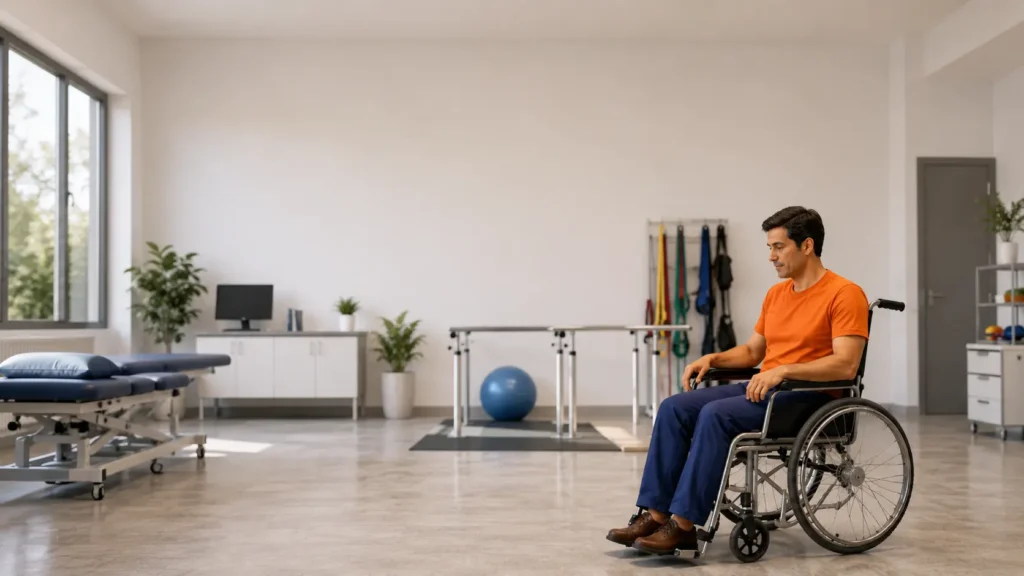
Understanding Sensory Loss After SCI
Sensory loss after Spinal Cord Injury (SCI) occurs when damage to the spinal cord disrupts the transmission of signals between the brain and the body. This interruption can affect the ability to feel touch, pain, temperature, pressure, or body position below the level of injury. Depending on whether the injury is complete or incomplete, sensory impairment may be partial or total and can evolve over time. Beyond physical numbness, sensory loss can increase the risk of injuries, impair balance and coordination, and significantly impact independence and quality of life, making sensory recovery a critical focus of comprehensive SCI rehabilitation.
What Causes Sensory Deficits After Spinal Cord Injury?
- Direct Damage to Sensory Pathways A Spinal Cord Injury can directly harm the nerve tracts responsible for carrying sensory information, such as touch, pain, temperature, and pressure, from the body to the brain. When these pathways are bruised, compressed, or severed due to trauma, sensory signals cannot travel normally, resulting in partial or complete loss of sensation below the level of injury.
- Inflammation and Secondary Injury Following the initial trauma, the body triggers an inflammatory response around the injured spinal cord. Swelling, reduced blood flow, and the release of inflammatory chemicals can cause additional damage to surrounding nerve tissue. This secondary injury often worsens sensory deficits by further disrupting nerve signal transmission, even in areas not directly affected by the original injury.
- Disruption of Blood Supply Spinal cord injuries can impair the blood vessels that supply oxygen and nutrients to nerve tissue. Reduced blood flow deprives sensory neurons of essential support, leading to cell dysfunction or death. This ischemic damage contributes to prolonged or permanent sensory impairment and limits the spinal cord’s natural healing capacity.
- Formation of Scar Tissue As the spinal cord heals, scar tissue may form at the injury site. While this process stabilizes the damaged area, it also creates a physical and chemical barrier that prevents nerve fibers from reconnecting. This scarring can block the regeneration of sensory pathways, making the restoration of normal sensation more difficult.
- Loss of Neural Connectivity SCI can interrupt the complex network of connections between the brain, spinal cord, and peripheral nerves. Even if some neurons survive the injury, disrupted connectivity can prevent accurate sensory signal processing. This may result in altered sensations such as tingling, burning, or neuropathic pain, rather than normal sensory perception.
- Severity and Level of Injury The extent of sensory deficits depends greatly on the severity and level of the Spinal Cord Injury. Injuries higher on the spinal cord or complete injuries typically cause more widespread sensory loss, while incomplete injuries may preserve some sensation. Understanding these factors is crucial for predicting recovery potential and planning targeted rehabilitation strategies.
Ready to Begin?
Our centres in Bengaluru (HRBR Layout) and Hyderabad are open Monday to Saturday, 8:30 AM to 6:30 PM.
What Are the Symptoms of Sensory Deficits After Spinal Cord Injury?
- Loss of Touch Sensation One of the most common symptoms of sensory deficit after SCI is reduced or complete loss of the ability to feel touch below the level of injury. Individuals may be unable to sense light contact, pressure, or vibrations, making it difficult to recognize injuries, maintain balance, or safely interact with their environment.
- Altered Pain Perception SCI can significantly change how pain is perceived. Some individuals may not feel pain at all in affected areas, while others experience exaggerated or abnormal pain responses. This altered pain perception can increase the risk of unnoticed wounds or burns and complicate overall injury management.
- Temperature Sensitivity Changes Damage to sensory pathways can impair the ability to sense hot and cold. As a result, individuals may not recognize extreme temperatures, increasing the risk of burns, frostbite, or heat-related injuries. This loss of temperature awareness can also affect comfort and daily functioning.
- Numbness or Tingling Sensations Many people with SCI experience persistent numbness, pins-and-needles, or tingling sensations. These abnormal sensations occur due to disrupted nerve signaling and may be constant or intermittent. Although not always painful, they can be uncomfortable and distracting.
- Neuropathic Pain Sensory deficits may present as burning, shooting, or electric-like pain, known as neuropathic pain. This type of pain originates from damaged nerves rather than tissue injury and can occur even in areas with reduced sensation, significantly affecting sleep, mood, and quality of life.
- Reduced Proprioception Proprioception refers to the body’s ability to sense joint position and movement. After SCI, impaired proprioception can make it difficult to judge limb placement or movement without visual cues, leading to poor coordination, instability, and increased risk of falls.
- Abnormal Sensory Responses Some individuals may experience hypersensitivity, where normal stimuli feel uncomfortable or painful, or misinterpreted sensations where touch is perceived incorrectly. These abnormal sensory responses reflect disrupted communication between the spinal cord and brain.
How Are Sensory Deficits Diagnosed After Spinal Cord Injury?
- Clinical Neurological Examination The first step in diagnosing sensory deficits after Spinal Cord Injury is a detailed neurological examination. Clinicians assess responses to light touch, pinprick, temperature, vibration, and joint position below and above the level of injury. This evaluation helps determine the extent, pattern, and severity of sensory loss and provides a baseline for monitoring recovery over time.
- ASIA Impairment Scale (AIS) Assessment The ASIA (American Spinal Injury Association) Impairment Scale is a standardized tool used worldwide to classify spinal cord injuries. Sensory testing is performed at specific dermatomal levels on both sides of the body. The results help determine whether the injury is complete or incomplete and guide prognosis and treatment planning.
- Magnetic Resonance Imaging (MRI) MRI is a critical imaging tool for identifying structural damage to the spinal cord. It reveals swelling, compression, bleeding, or scarring that may be affecting sensory pathways. MRI findings help correlate clinical sensory loss with the exact location and extent of spinal cord damage.
- Computed Tomography (CT) Scan CT scans are often used in the acute phase of injury to assess bone damage, spinal alignment, and fractures that may be contributing to nerve compression. While CT is less detailed than MRI for soft tissue, it provides valuable information for surgical and treatment decisions.
- Electrophysiological Tests Tests such as somatosensory evoked potentials (SSEPs) measure how sensory signals travel from the body to the brain. Delayed or absent responses indicate disrupted sensory pathways. These tests offer objective insight into nerve function and help track changes after treatment or rehabilitation.
- Quantitative Sensory Testing (QST) QST evaluates how a patient perceives controlled sensory stimuli such as pressure, vibration, or temperature. This method provides detailed information on sensory thresholds and abnormalities, helping clinicians understand subtle deficits that may not be apparent during routine examinations.
- Functional and Rehabilitation Assessment Beyond clinical tests, therapists assess how sensory deficits affect daily activities, balance, and safety. These functional evaluations help tailor rehabilitation strategies and monitor how improvements in sensation translate into better independence and quality of life.
What Are Regenerative Cells and How Do They Work?
Regenerative cells are specialized cells obtained from the patient’s own body that support the body’s natural repair mechanisms. In Spinal Cord Injury management, autologous mesenchymal cells are commonly used because of their ability to promote healing, reduce inflammation, and create a favorable environment for nerve recovery. Rather than replacing damaged nerves directly, these regenerative cells act as biological supporters that stimulate repair and improve communication within the injured spinal cord.
How Regenerative Cells Work in Sensory Recovery After SCI
| Biological Action | Detailed Mechanism | Effect on Sensory Pathways | Clinical Relevance |
| Inflammation Control | Regenerative cells release anti-inflammatory cytokines that suppress harmful immune activity around the injured spinal cord, limiting secondary tissue damage. | Preserves surviving sensory neurons and prevents further signal loss. | Helps stabilize the injury site and supports long-term sensory recovery. |
| Neurotrophic Factor Release | These cells secrete nerve-supporting proteins that promote neuron survival, axonal health, and synaptic signaling. | Strengthens existing sensory pathways and enhances signal conduction. | May lead to gradual improvement in touch, pain, and temperature sensation. |
| Improved Blood Supply | Regenerative cells stimulate formation of new micro-blood vessels and improve circulation at the injury site. | Ensures adequate oxygen and nutrients for sensory neurons. | Supports sustained neural function and recovery processes. |
| Neural Microenvironment Repair | They balance chemical signals within the spinal cord, reducing toxins and oxidative stress that hinder nerve repair. | Creates a supportive environment for sensory signal restoration. | Increases the effectiveness of rehabilitation therapies. |
| Axonal Guidance Support | Regenerative cells help guide damaged sensory nerve fibers toward appropriate reconnection pathways. | Encourages organized reconnection of sensory tracts. | Improves quality and accuracy of sensory perception. |
| Scar Tissue Regulation | They regulate fibrotic responses by limiting excessive scar formation at the injury site. | Reduces physical and chemical barriers to nerve signal transmission. | Enhances potential for sensory improvement over time. |
| Immune System Modulation | Autologous mesenchymal cells interact safely with the immune system, preventing rejection and promoting healing. | Maintains stable sensory nerve recovery without immune interference. | Improves safety and predictability of outcomes. |
| Support for Neuroplasticity | Regenerative cells enhance the spinal cord’s ability to reorganize and adapt through neuroplastic changes. | Allows the brain to relearn sensory processing from affected areas. | Leads to functional sensory gains when combined with therapy. |
Treatment for Spinal Cord Injury at Plexus
Plexus follows a multidisciplinary, regenerative rehabilitation approach for Spinal Cord Injury (SCI), focusing on improving sensory function, mobility, and overall independence. Treatment plans are personalized based on the level and severity of injury and combine advanced therapies with intensive rehabilitation.
- Aquatic Therapy Aquatic therapy uses the buoyancy and resistance of water to support movement while reducing stress on the spine and joints. For individuals with SCI, water-based exercises help improve sensory awareness, balance, and muscle activation. The warmth and hydrostatic pressure of water also enhance circulation and provide continuous sensory stimulation, which can aid in re-educating sensory pathways and improving body awareness.
- Physiotherapy Physiotherapy is central to SCI recovery at Plexus. Targeted exercises focus on strengthening muscles, maintaining joint mobility, and retraining neural pathways. Sensory re-education techniques are integrated to stimulate touch, pressure, and proprioception. Consistent physiotherapy supports neuroplasticity, helping the nervous system adapt and improve both motor and sensory function over time.
- Occupational Therapy Occupational therapy helps individuals with SCI regain independence in daily activities such as dressing, grooming, eating, and using assistive devices. Therapists work on fine motor skills, hand function, and sensory integration to improve coordination and functional use of affected limbs. Environmental adaptations and adaptive strategies are also introduced to enhance safety and quality of life.
- Cell Therapy Cell therapy at Plexus involves the use of regenerative cells, including autologous mesenchymal cells, to support spinal cord repair. These cells help reduce inflammation, improve the neural microenvironment, and support nerve pathway recovery. When combined with structured rehabilitation, cell therapy aims to enhance sensory improvement, reduce neuropathic symptoms, and optimize long-term functional outcomes.
Why Choose Plexus in India
Selecting the right rehabilitation centre plays a crucial role in recovery outcomes. Plexus stands out for several compelling reasons:
Expertise Since 2011, Plexus has focused exclusively on neurological and regenerative rehabilitation, successfully treating hundreds of thousands of patients and earning a strong reputation in complex nerve-injury care. Specialists at Plexus bring extensive experience in both neurology and neurosurgery, enabling comprehensive evaluation and treatment under one roof.
Facilities & Multidisciplinary Team Plexus is India’s first ISO-certified regenerative rehabilitation and research centre, featuring advanced diagnostic imaging, modern surgical theatres, and dedicated rehabilitation suites. Care is delivered through a multidisciplinary team that includes neurologists, neurosurgeons, physiotherapists, occupational therapists, pain specialists, and regenerative medicine experts working collaboratively to provide integrated, patient-focused treatment.
Patient Journey & Access From initial consultation through discharge and long-term follow-up, each stage of recovery is carefully structured and supported. Plexus accommodates both Indian and international patients, offering cost-effective treatment while maintaining high standards of care. Outpatient programs, personalized therapy planning, and clear communication with medical specialists ensure continuity and comfort throughout the rehabilitation journey.
Restoring Sensory Function After Spinal Cord Injury
Sensory loss following Spinal Cord Injury can profoundly affect safety, independence, and quality of life. At Plexus, treatment goes beyond symptom management by combining advanced rehabilitation with regenerative science. Through a personalized program that integrates therapies , Plexus targets both the biological damage and functional limitations caused by SCI. This multidisciplinary approach supports neural repair, enhances sensory re-education, and promotes neuroplasticity, offering individuals the opportunity for meaningful sensory improvement and long-term functional recovery.
Ready to Begin?
Our centres in Bengaluru (HRBR Layout) and Hyderabad are open Monday to Saturday, 8:30 AM to 6:30 PM.
Other Disorders Treated at Plexus
At Plexus,expertise extends to offer comprehensive care for a variety of neurological and related conditions. Plexus provide specialized treatments for disorders such as, Brachial Plexus Injury , Spinocerebellar Ataxia, Sensory Processing Disorder (SPD), Cerebral Palsy, Multiple Sclerosis,Parkinson’s disease, Spinal Cord Injury, Motor Neuron Disease, Stroke, Autoimmune Conditions, Orthopedic Conditions, and Sports Injuries. Plexus multidisciplinary approach, incorporating therapies like Cell Therapy, Physiotherapy, Occupational Therapy, Aquatic Therapy, and Speech Therapy, ensures personalized care tailored to each condition, helping patients achieve improved mobility, function, and quality of life.
FAQs
Can sensory function improve after a spinal cord injury? Yes, sensory function may improve, especially in incomplete spinal cord injuries. With targeted rehabilitation and regenerative cell therapy, surviving nerve pathways can be supported and retrained over time.
How does regenerative cell therapy support sensory recovery? Regenerative cells help reduce inflammation, improve the neural environment, support nerve signaling, and enhance the body’s natural repair mechanisms, which can contribute to sensory improvements when combined with rehabilitation.
Is the treatment at Plexus personalized? Absolutely. Plexus designs individualized treatment plans based on the type, level, and severity of spinal cord injury, along with the patient’s functional goals and overall health.
Does rehabilitation replace regenerative cell therapy? No. Rehabilitation and regenerative cell therapy work together. Rehabilitation retrains the nervous system, while regenerative cells support the biological environment needed for recovery.
About the Author
Dr. Na’eem Sadiq
Medical Director of Plexus
Dr. Na’eem Sadiq is a globally recognized neurologist and neuropsychiatrist, renowned for his contributions to the treatment of complex neurological disorders. He founded Plexus in 2011 with a mission to enhance the quality of life for patients living with neurological conditions.
With over 35 years of clinical experience, Dr. Sadiq is considered a leading expert in the field. His internationally acclaimed research spans key topics such as Demyelinating Polyneuropathy, Multiple Sclerosis, Epilepsy, and Migraine, positioning him at the forefront of neurological care worldwide.