
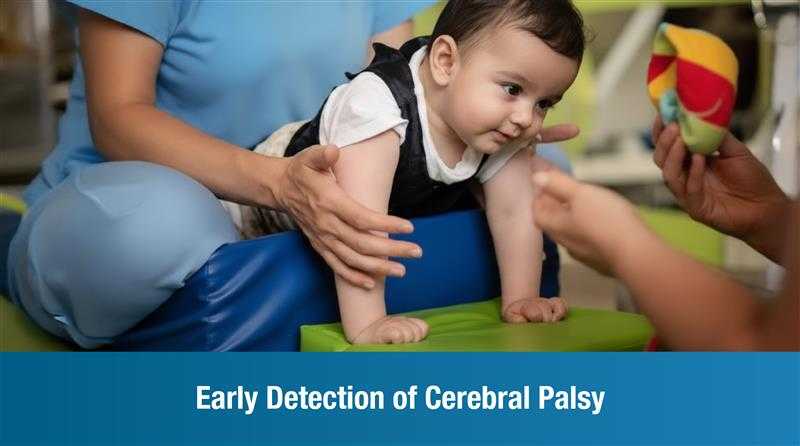
Caring for a child’s development means noticing the small things. When movement patterns or milestones don’t follow expected timelines, early evaluation becomes essential. Cerebral Palsy, when identified early, allows therapy to begin at a time when intervention is most effective.
At Plexus, early diagnosis supports targeted rehabilitation that helps build stronger foundations for movement, speech, and daily living.
Why Early Detection of Cerebral Palsy Matters
Cerebral Palsy is a lifelong neurological condition, but its impact can be significantly reduced with early and structured care. Identifying Cerebral Palsy symptoms at the earliest stage allows therapy to begin when the brain is most adaptable, leading to better outcomes in mobility, speech, and daily functioning.
Understanding Cerebral Palsy
What is Cerebral Palsy?
The definition of Cerebral Palsy refers to a group of disorders affecting movement, posture, muscle tone, and coordination. It occurs due to abnormal brain development or damage to the developing brain, often before or during birth. While Cerebral Palsy disease is non-progressive, the challenges associated with it can evolve over time.
Cerebral Palsy Causes
Common causes of Cerebral Palsy include premature birth, lack of oxygen during delivery, infections during pregnancy, and early brain injury. Understanding these factors supports timely screening and proactive care.
Types of Cerebral Palsy
There are different types of Cerebral Palsy, each requiring a tailored treatment approach:
- Spastic Cerebral Palsy, the most common form, characterised by muscle stiffness
- Dyskinetic cerebral palsy, involving involuntary movements
- Ataxic cerebral palsy, affecting balance and coordination
- Mixed Cerebral Palsy types, combining symptoms from more than one form
Early Signs and Cerebral Palsy Symptoms
Recognising early signs and symptoms of Cerebral Palsy is essential for early action. These may include delayed motor milestones, abnormal muscle tone, poor coordination, feeding difficulties, and limited head control in children. Symptoms of Cerebral Palsy in infants can be subtle, making professional evaluation crucial when developmental delays are noticed.
Cerebral Palsy Diagnosis
A confirmed Cerebral Palsy diagnosis is based on developmental assessments, neurological evaluations, and medical imaging when required. Early screening enables therapy initiation even before a formal diagnosis, ensuring no critical time is lost.
The Power of Early Intervention
Early intervention can:
- Improve posture, balance, and movement
- Enhance speech, swallowing, and communication
- Support cognitive and sensory development
- Reduce long-term complications that affect adulthood later in life
Role of Specialised Cerebral Palsy Specialists
Experienced Cerebral Palsy specialists play a key role in accurate assessment and personalised care of children with CP. At Plexus, a multidisciplinary team works together to support individuals with Cerebral Palsy through evidence-based rehabilitation.
Best Cerebral Palsy Treatment at Plexus
Plexus offers a comprehensive range of therapies designed to address physical, cognitive, and communication challenges:
- Aquatic Therapy
- Physiotherapy
- Occupational Therapy
- Cognitive Therapy
- Speech and Language Therapy
- Swallowing Therapy
Other Disorders and Treatments Offered at Plexus
Other Therapies
- Sensory Integration Therapy
- Behavior Therapy
- Hand Rehabilitation
- Custom Splinting and Orthotics
- Early Intervention Program
- Obesity and Lifestyle Management
Other Disorders Treated
- Brachial Plexus Injury
- Spinocerebellar Ataxia
- Sensory Processing Disorder (SPD)
- Cerebral Palsy
- Multiple Sclerosis
- Spinal Cord Injury
- Motor Neuron Disease
- Stroke
- Autoimmune Conditions
- Orthopedic Conditions
- Sports Injuries
Early Action Today for a Stronger Future Tomorrow
With advanced infrastructure, integrated rehabilitation programs, and experienced specialists, Plexus delivers personalised care that adapts to every stage of life.
Early awareness, timely diagnosis, and consistent therapy can change the course of Cerebral Palsy treatment. If you observe early symptoms of Cerebral Palsy in children, seeking specialised care can help unlock better possibilities for the future.
Reach Out to Us
WhatsApp: +91 89048 42087
Call: +91 78159 64668 (Hyderabad) | +91 93555 33404 (Bangalore)
FAQs
What is the earliest age Cerebral Palsy can be detected?
Cerebral Palsy can be identified as early as 3–6 months, especially in high-risk infants, though some cases are confirmed closer to 12–24 months.
Can early detection improve long-term outcomes?
Yes. Early detection allows timely therapy, improving mobility, communication, independence, and overall quality of life.
What are the first warning signs of CP?
Early signs include delayed milestones, abnormal muscle tone, poor head control, stiffness, floppiness, or feeding difficulties.
How is CP diagnosed in infants?
Diagnosis involves developmental assessments, neurological exams, and imaging studies when needed.
Can early therapy help my child walk?
Early therapy can significantly improve strength, balance, and movement, increasing the potential for independent or assisted walking.
Does early detection require special tests?
It may include specialised developmental assessments and imaging, but ongoing clinical observation is equally important.
About the Author
Dr. Na’eem Sadiq
Medical Director of Plexus
Dr. Na’eem Sadiq is a globally recognized neurologist and neuropsychiatrist, renowned for his contributions to the treatment of complex neurological disorders. He founded Plexus in 2011 with a mission to enhance the quality of life for patients living with neurological conditions.
With over 35 years of clinical experience, Dr. Sadiq is considered a leading expert in the field. His internationally acclaimed research spans key topics such as Demyelinating Polyneuropathy, Multiple Sclerosis, Epilepsy, and Migraine, positioning him at the forefront of neurological care worldwide.