⚠️ Fraud Alert: Beware of Forged Documents — It has come to our notice that unauthorized individuals are using fake Plexus letterheads and forged signatures to solicit money. We have reported the matter to the authorities and are pursuing legal action. If you receive any suspicious letter, message, or call claiming to be from Plexus, please do not engage. To verify, contact us at 📞 9355533404 | 📧 info@plexusnc.com — Please stay alert and help us spread the word.
Home / Disorders / Autism Spectrum Disorder

A detailed guide to Autism Spectrum Disorder

Autism Spectrum Disorder is a neurodevelopmental condition that affects the way children behave and socialize with other people. It tends to manifest between two and four years of age, although many people go undiagnosed until they are adults. The sooner the child starts a treatment program, the greater the benefits. Here, we offer a detailed guide to what Autism looks like and how it can be treated.

Autisim new 1
autism

Understanding Autism

Does your child find it hard to make eye contact, respond to their name or play with other children? Do they repeat certain movements, follow strict routines or react strongly to sounds, lights or textures? These can be signs of autism spectrum disorder (ASD).

When a child shows these signs, parents often have many questions: what does autism mean, what causes it, and does it change with age? This guide answers those questions and explains how therapy at Plexus supports children with autism, from the first assessment to the skills they use every day.

What is Autism Spectrum Disorder?

While Autism Spectrum Disorder does not affect a child’s appearance or physical abilities, it does alter the way they interact with and respond to the world around them. It is important to remember that every child is different, and hence, the symptoms that two children with Autism will display may vary greatly. In addition, some children may display symptoms later than others do.

autism

Signsof and Symptoms of Autism

Signs of autism vary from child to child and may become more noticeable as they grow. Some of the most common include:

Symptoms of Autism in older children

As the child grows up, the developmental differences tend to become more apparent. There are three main categories of symptoms a toddler or young child may display. These include:

Communication / language symptoms

01 Communication / language symptoms

  • Repeating the same phrases over and over
  • Repeating back what is said when spoken to
  • Speech and language skills delays
  • Not pointing to objects or people, or not responding when other people point
  • Not starting or maintaining conversations
  • Speaking in a monotonous or sing-song voice
  • Not understanding jokes, sarcasm, or other nuances of speech
  • Reversing pronouns, such as saying ‘you’ in place of ‘I’
  • Losing language skills
autism

What Causes Autism?

There is no single known cause of autism spectrum disorder. Research suggests several factors may be involved:

  •       Genetic factors: Differences in several genes and a family history of autism may contribute to the likelihood of autism.
  •       Parental and pregnancy-related factors: Older parental age and some maternal health conditions during pregnancy have been linked with a higher likelihood of autism, but a direct cause has not been established.
  •       Birth-related factors: Prematurity and low birth weight have been associated with a higher likelihood of autism.
  •       Environmental factors: Researchers continue to study how environmental influences may interact with genetic factors during development.

These factors do not mean that a child will be autistic. Vaccines do not cause autism, and autism is not caused by parenting styles or a lack of affection.

Autism Therapy at Plexus Every Child Is Different

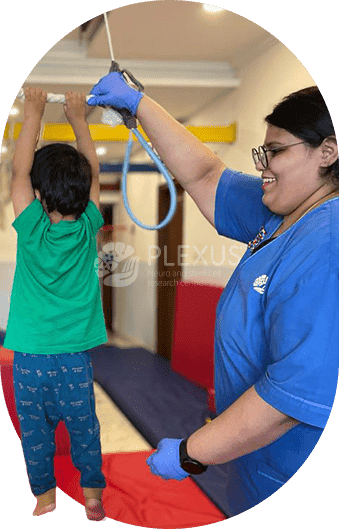
At Plexus, we recognise that effective therapy begins with understanding the individual child rather than following a standard approach. Our autism therapy supports communication, sensory processing, motor development, play, learning, emotional regulation and everyday skills.

Through individualised assessment, multidisciplinary therapy and purpose-built therapy spaces, we work towards helping children develop meaningful skills, take part in everyday activities and grow in independence. Our focus extends beyond therapy sessions, to the skills that make a difference in a child’s everyday life.

autism

Our Assessment Therapy Process

Every child’s plan begins with a doctor-led assessment, guided by Dr Na’eem Sadiq, of the child’s developmental profile, strengths, challenges and family priorities.

  •       Initial consultation: Understanding parents’ concerns, developmental history and the child’s everyday functioning.
  •       Developmental assessment: Evaluating relevant areas of development through clinical assessments and observation.
  •       Individual goal setting: Agreeing meaningful, measurable goals with parents and caregivers.
  •       Structured therapy: Putting an individualised therapy plan into practice.
  •       Progress monitoring: Reviewing progress every 2 weeks and adapting the plan as the child’s needs change.
  •       Parent guidance: Sharing practical strategies families can use in everyday routines.

Areas Addressed Through Therapy

Therapy focuses on different developmental and functional areas according to each child’s needs:

  •       Sensory processing and integration: Helping children process and respond to sensory information through individualised sensory-based activities and strategies.
  •       Communication and social interaction: Developing meaningful communication and social engagement, so children can express needs, preferences and emotions using the methods that suit them.
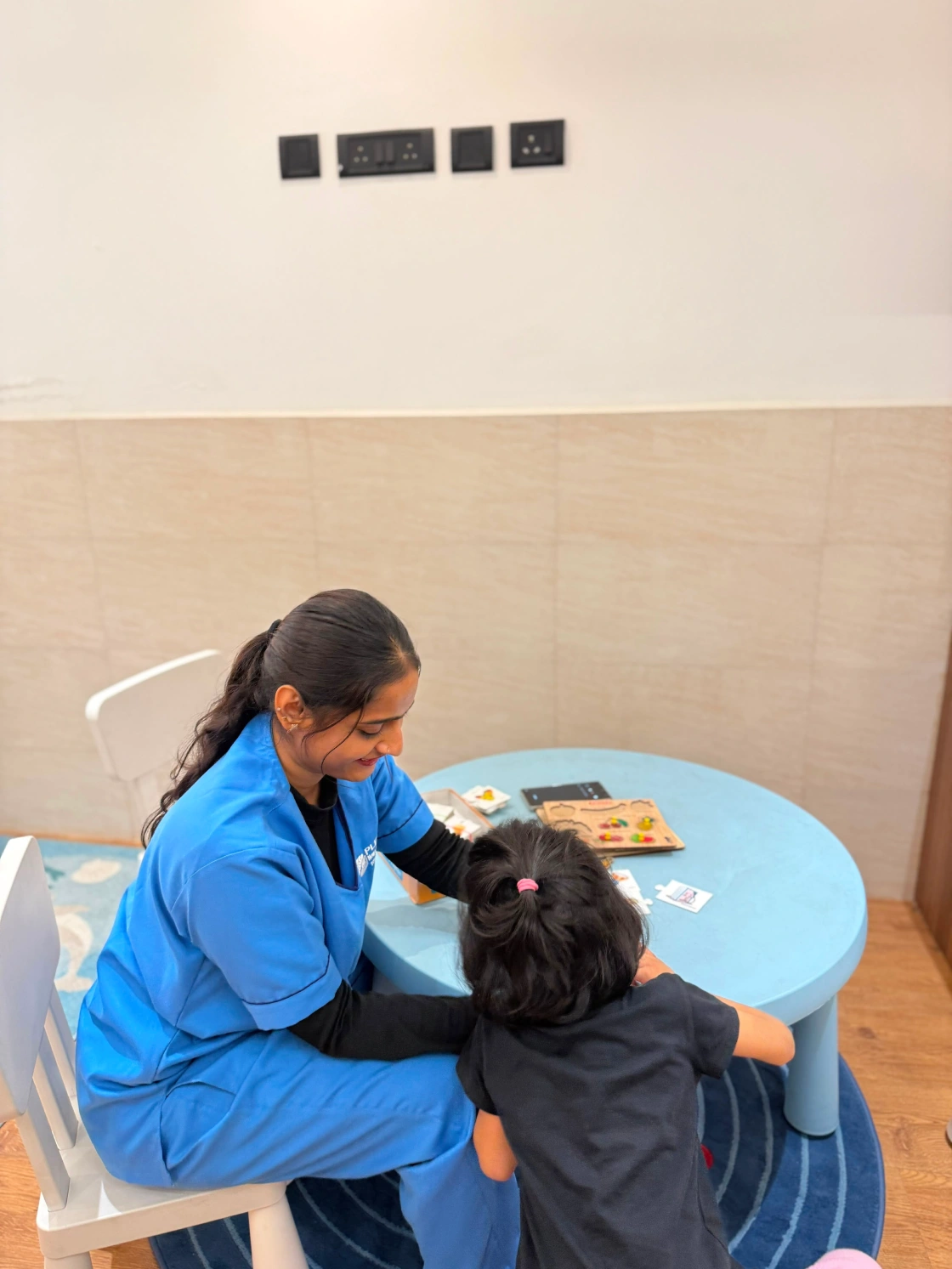
  •       Play and cognitive development: Encouraging exploration, attention, imitation, problem-solving, learning and age-appropriate play.
  •       Fine and gross motor development: Working on coordination, motor planning, balance, posture, fine motor skills and movement.
  •       Activities of daily living: Building independence in feeding, dressing, grooming, toileting and personal care.
  •       Emotional and behavioural regulation: Understanding each child’s behavioural needs and supporting emotional regulation, coping and participation in everyday settings.
  •       School readiness: Supporting the foundational skills needed for classroom participation, structured learning, routines and interaction with peers.

Parent and Family Involvement

Parents and caregivers are important partners in a child’s development. We encourage active family involvement through caregiver education, guidance, home-based strategies and regular discussions about progress.

Our aim is to help families understand their child’s needs and support their skills at home, at school and in the community.

Autism Therapy at Plexus Every Child Is Different

Children with autism may need support across several areas of development. At Plexus, therapists from different disciplines set shared goals and coordinate their work around the child’s developmental profile.

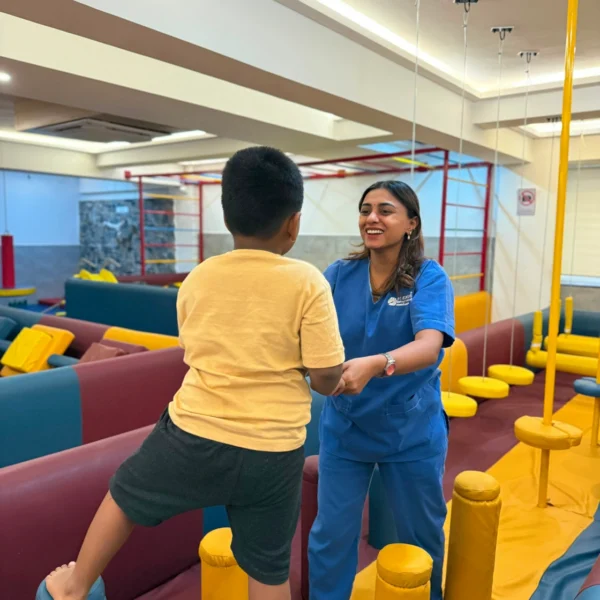
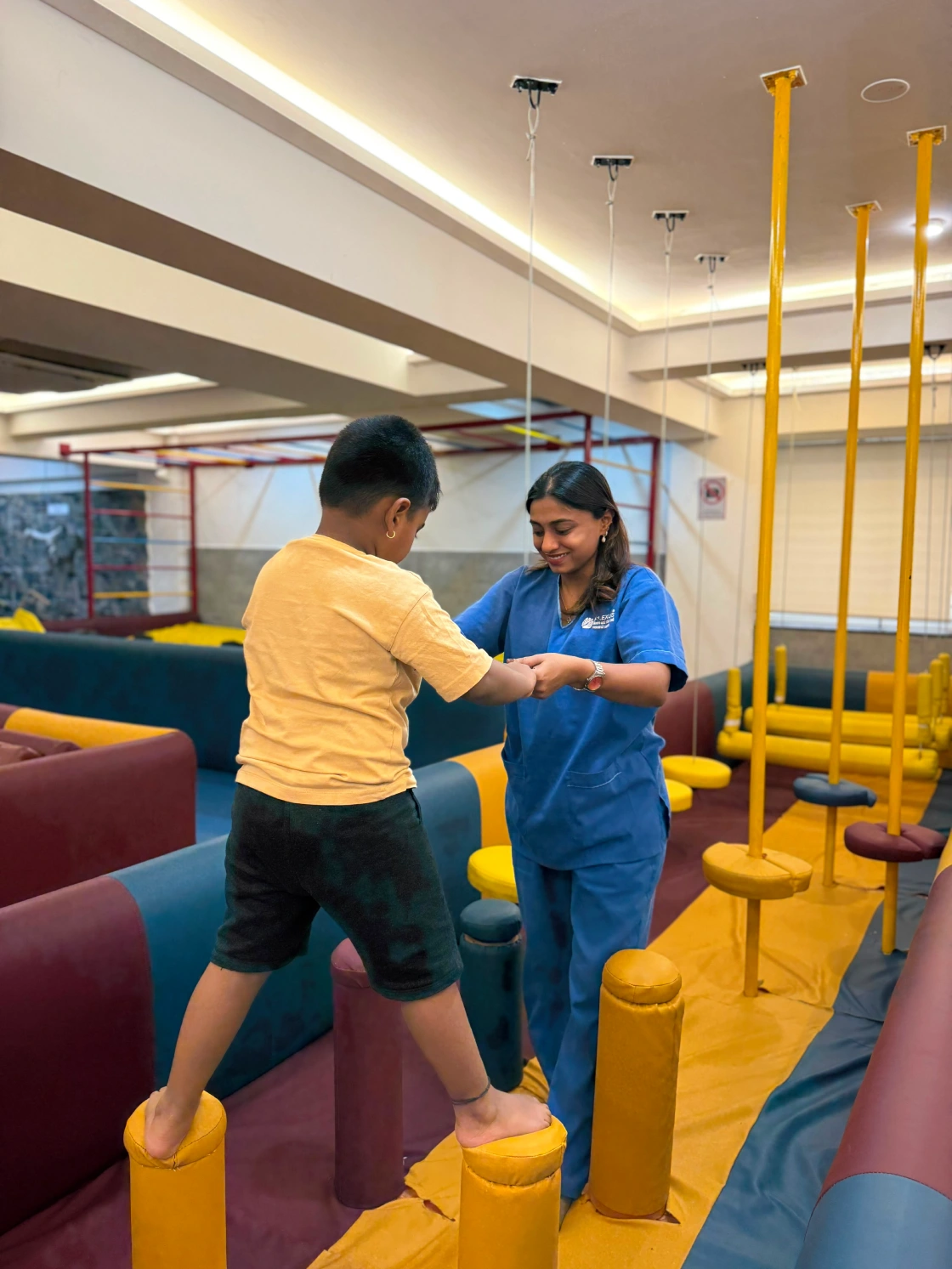
Occupational therapy supports sensory processing, motor development, play, self-care, independence and school readiness. It includes sensory integration-based activities delivered through structured, play-based sessions.

Speech and language therapy supports communication, language development and social communication, using speech or other communication methods, along with feeding or swallowing support where needed.

Behaviour therapy helps families understand what lies behind a child’s behaviour and uses positive, structured strategies to build skills such as communicating needs, turn-taking and coping with change, with parents guided to use them at home.

CBT helps older children and teenagers recognise their thoughts and feelings and learn ways to manage emotions such as anxiety or frustration, with sessions adapted to the child’s age and language.

CBT helps older children and teenagers recognise their thoughts and feelings and learn ways to manage emotions such as anxiety or frustration, with sessions adapted to the child’s age and language.

Physiotherapy works on gross motor development, balance, coordination, posture and functional mobility.

Mental health therapy supports the child and their family, including help with anxiety and the emotional side of a new diagnosis.

Our Therapy Spaces

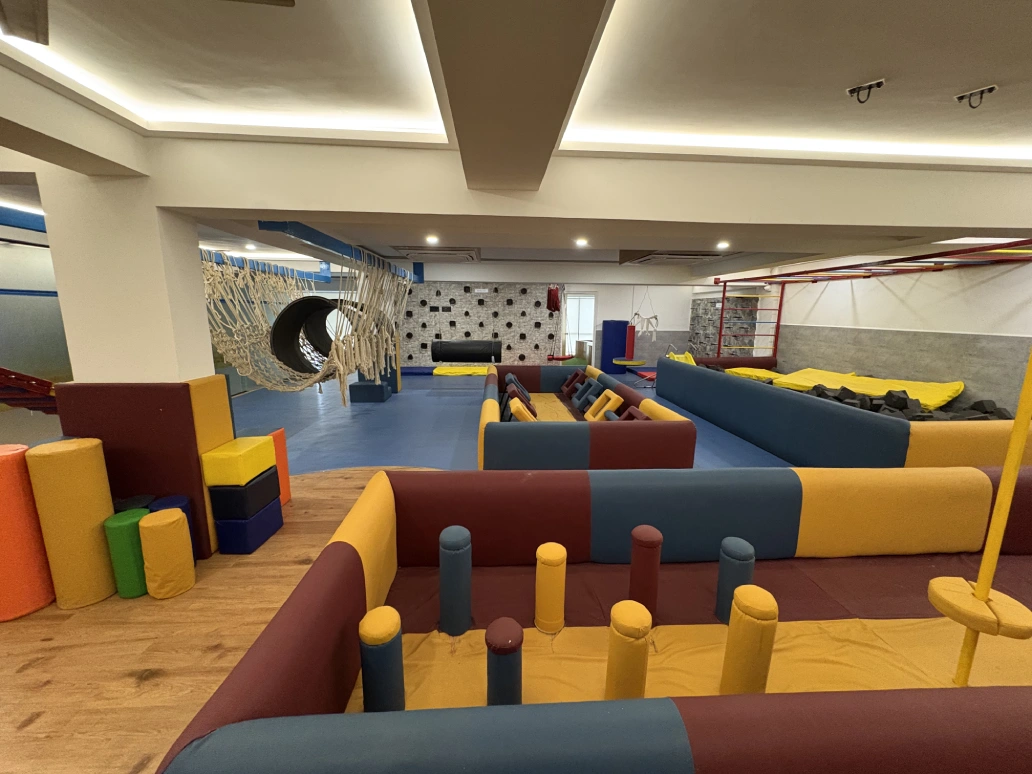
The therapy environment plays an important part in giving children opportunities to explore, learn and build new skills. Plexus has purpose-built spaces designed to support different areas of development:

  •       Sensory Arena: for sensory exploration, movement and therapeutic activities.
  •       Sand Studio: for tactile exploration, sensory-motor experiences and creative play.
  •       Calm Room: for individual regulation strategies and calming activities.
  •       Touch and Learn Lab: for multisensory exploration and hands-on learning.
  •       Gaze and School Preparation Zone: for activities that support visual engagement and foundational learning skills.
  •       Life Skills Lab: for practising everyday activities and building independence.
  •   Mind It: a space for behaviour regulation and emotional expression, used in

     behaviour therapy and CBT sessions.

  •       Outdoor activity spaces: for movement, physical activity and practice in different environments.

Our therapists use each space with a clear purpose, turning therapy goals into meaningful learning experiences.

What Does Progress Look Like?

Progress is individual and may look different for every child. Depending on each child’s needs, strengths and therapy goals, progress may be seen in areas such as:

  • Communication and interaction: expressing needs, wants and emotions; verbal and non-verbal communication; starting interaction; understanding language and instructions.
  • Social participation: interest in other children and adults; turn-taking, sharing and back-and-forth play; group activities; social understanding.
  • Sensory processing and regulation: processing and responding to sensory information; tolerating everyday sensory experiences; self-regulation strategies; taking part in settings with different sensory demands.
  • Attention and learning readiness: attention and engagement; following instructions; starting and finishing tasks; moving between activities more flexibly.
  • Play skills and imagination: functional, purposeful play; wider play interests; pretend and imaginative play; shared play with others.
  • Motor skills and coordination: gross motor coordination and balance; fine motor and hand skills; motor planning and body awareness; confidence in movement.
  • Independence in daily living: feeding and mealtimes; dressing, grooming and hygiene; toileting routines; age-appropriate self-care.
  • Emotional and behavioural regulation: coping with changes in routine; managing frustration; expressing and regulating emotions; flexibility in everyday situations.
  • School readiness and participation: structured activities; pre-academic and classroom skills; group learning; independence in school routines.
  • Family and community participation: family routines and activities; confidence in community settings; social opportunities; using skills at home, at school and outside.

At Plexus, we look beyond isolated developmental milestones. Our focus is on helping every child build the skills, confidence and independence needed to take part more meaningfully in everyday life. Therapy goals evolve with the child’s changing needs, abilities and aspirations.

These are possible areas of progress, not guaranteed outcomes. Individual outcomes vary.

Families looking for autism therapy in Bangalore or Hyderabad can contact their nearest Plexus centre to learn more about the assessment and therapy programme.

What our patients say

FAQs answered

Autism is a lifelong neurodevelopmental difference, not an illness, so the aim of therapy is not to cure it. Therapy can help children build communication, daily living and social skills, and take part more fully in everyday life.

Autism does not go away, but many children develop new skills over time, especially with the right support. The kind of support a child needs may change as they grow.

Signs can often be noticed in the first two years, and autism can sometimes be diagnosed reliably from around age 2 (Lord et al., 2018). Some people are not diagnosed until later childhood or adulthood.

No. Large studies have found no link between vaccines and autism (Taylor et al., 2014).

Behaviour therapy focuses on understanding a child’s behaviour and building helpful skills through structured, positive strategies, and suits children of all ages. CBT focuses on recognising thoughts and feelings and learning ways to manage emotions such as anxiety, and is usually suited to older children and teenagers.

The team discusses your concerns and your child’s developmental history, observes how your child plays, communicates and moves, and agrees goals with you. You will leave with a clear picture of the therapies that may help.

Therapists share practical strategies you can build into daily routines, such as mealtimes, dressing and play, so that skills practised in sessions carry over to home and school.

wave lines

Get in touch with our Autism experts today

WhatsApp chat
Book a Free Consultation
Translate »

Need help deciding the next step?

Share your details and our care team will call you back.

Now available: 0 down payment treatment financing with Bajaj Finance.

    By clicking 'Submit', you agree to Terms of Use

    Before you go

    Many families start with a free medical review. No commitment.

    Now available: 0 down payment treatment financing with Bajaj Finance.

      By clicking 'Submit', you agree to Terms of Use