

Overview of Parkinson’s Disease
Parkinson’s disease is a progressive condition caused by the loss of dopamine-producing neurons in the brain, particularly in a region called the substantia nigra.
While it is primarily known for its impact on movement, its effects go far beyond tremors and stiffness. While genetics plays a role, research shows that environmental factors significantly contribute to why Parkinson’s disease occurs.
Understanding the risks for Parkinson’s disease is crucial for early prevention, effective treatment, and improving patients’ quality of life.
How Parkinson’s Affects the Brain and Beyond
Parkinson’s disease begins in the brain, but its impact extends throughout the body, affecting multiple systems:
- Musculoskeletal system: Tremors, muscle rigidity, and posture problems make movement slow and challenging.
- Autonomic nervous system: Parkinson’s disrupts vital automatic functions such as blood pressure control, digestion, urination, and temperature regulation.
- Speech and swallowing: Many patients experience dysarthria (slurred speech), drooling, and dysphagia (difficulty swallowing), which can affect nutrition and social interaction.
- Cognitive function: Memory loss, slowed thinking, and executive dysfunction (difficulty planning or organizing) may develop over time.
- Sleep and mood regulation: Insomnia, REM behavior disorder, depression, and anxiety are common non-motor symptoms that significantly impact quality of life.
- Sensory function: Loss of smell (anosmia), tingling sensations, and even pain can appear early or progress with the disease.
Environmental Risk Factors for Parkinson’s Disease
Environmental toxins are among the most significant non-genetic Parkinson’s disease causes. Prolonged exposure to pesticides, herbicides, and industrial chemicals can damage dopamine-producing neurons in the brain. These toxins may trigger oxidative stress and inflammation, accelerating the degeneration of nerve cells.
While genetics set the stage, environmental toxins often act as the catalyst for disease onset and progression.
Treatment Options for Parkinson’s Disease
At Plexus, we offer some of the best treatment for Parkinson’s through a comprehensive and personalized approach. Our therapies include:
- Advanced Rehabilitation: Physiotherapy, Occupational Therapy, and Speech Therapy to restore function. These include activities such as hand functions retraining, Bradykinesia management and agility training, functional retraining, and rigidity management.
- Cell Therapy: Regenerative treatment that uses Autologous Mesenchymal Cells from the patient’s bone marrow to repair the damaged cells within their body.
Understanding why Parkinson’s disease occurs requires looking beyond genetics to consider the critical role of environmental toxins. By identifying risk factors early and adopting preventive strategies, patients can lead better quality lives. At Plexus, our multidisciplinary approach provides hope, care, and a path forward for those living with Parkinson’s disease.
Contact us to schedule an appointment.
WhatsApp: +91 89048 42087
Call: +91 9513262686 (Hyderabad) | +91 9355533404 (Bangalore)
Plexus offers access to one of the best Parkinson’s specialists in Bangalore, along with advanced therapies, and a holistic approach to ensure every patient receives the care they need. By combining medical excellence with personalized rehabilitation, Plexus is redefining Parkinson’s care.
FAQs
Does Plexus offer testing or evaluation for the causes of Parkinson’s disease?
Yes. Plexus provides advanced neurological assessments to identify Parkinson’s disease causes—whether environmental or genetic—helping us create customized treatment plans.
What makes Plexus unique in addressing the causes of Parkinson’s disease?
We combine cutting-edge therapies like Cell Therapy with comprehensive rehabilitation, focusing on both symptom management and addressing potential root causes.
We combine cutting-edge therapies like Cell Therapy with comprehensive rehabilitation, focusing on both symptom management and addressing potential root causes.
Both genetics and environment influence Parkinson’s disease. Plexus evaluates patients for both factors to provide holistic and targeted care.
Is there a way to prevent Parkinson’s disease? Can Plexus help with prevention?
When it comes to Parkinson’s disease prevention, no method is guaranteed. But, Plexus offers risk assessments, lifestyle guidance, and early intervention strategies to understand Parkinson’s disease risk factors.
Is Parkinson’s disease genetic? Will Plexus test for that?
Parkinson’s is only partly hereditary. Plexus can coordinate genetic testing if needed, especially for patients with a family history of the condition.
About the Author
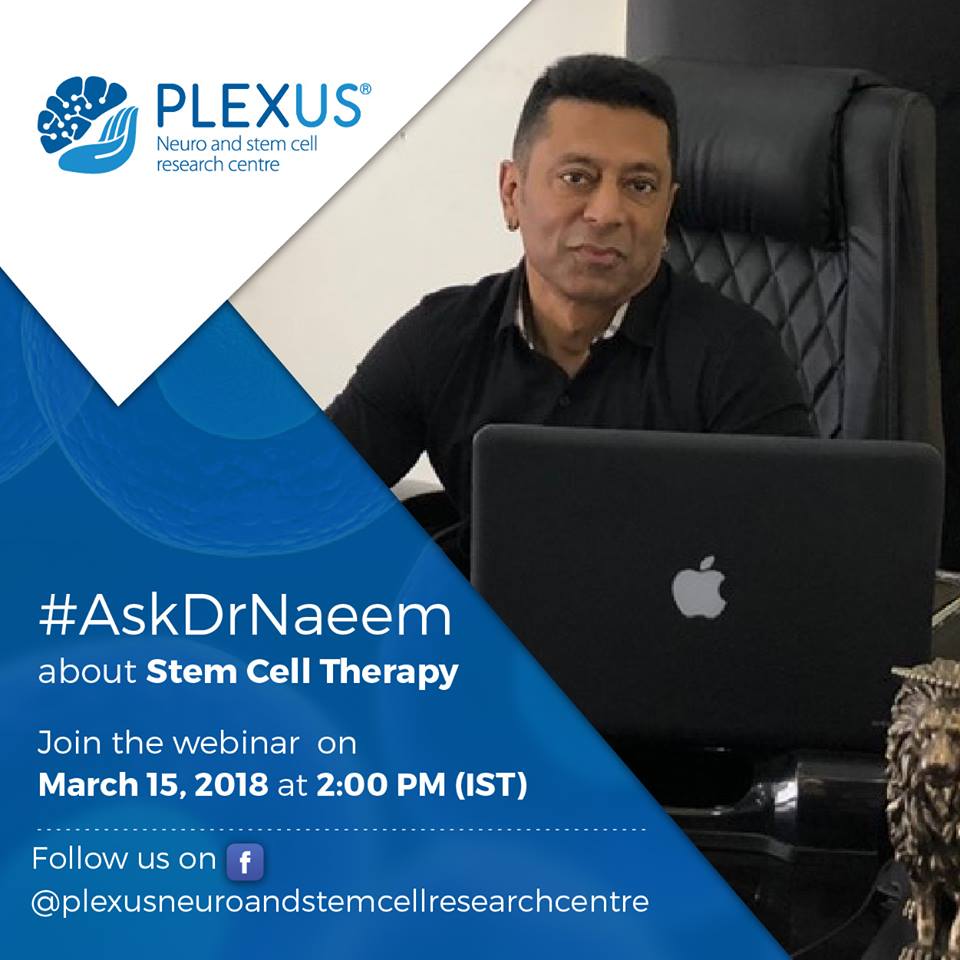
Dr. Na’eem Sadiq
Medical Director of Plexus
Dr. Na’eem Sadiq is a globally recognized neurologist and neuropsychiatrist, renowned for his contributions to the treatment of complex neurological disorders. He founded Plexus in 2011 with a mission to enhance the quality of life for patients living with neurological conditions.
With over 35 years of clinical experience, Dr. Sadiq is considered a leading expert in the field. His internationally acclaimed research spans key topics such as Demyelinating Polyneuropathy, Multiple Sclerosis, Epilepsy, and Migraine, positioning him at the forefront of neurological care worldwide.