

Children with Sensory Processing Disorder (SPD) experience the world in ways that make everyday social interactions challenging. Sounds, textures, or movements that seem ordinary to others may feel overwhelming, leading to sensory overload or prompting sensory seeking behaviors. These sensory issues can impact communication, friendships, and confidence.
Sensory Integration Therapy offers a structured, supportive approach to help children manage sensory processing difficulties, enabling them to interact more comfortably, build social skills, and thrive in daily life.
The Impact of Sensory Issues on Social Development
Children with SPD often struggle with social interactions because sensory processing sensitivity affects their ability to respond to sights, sounds, or touch appropriately. Common challenges include:
- Avoiding group activities due to sensory input
- Difficulty maintaining eye contact or joining play
- Emotional outbursts linked to sensory overload
- Challenges interpreting social cues
Key Techniques and Approaches
Therapists use various approaches to address sensory issues:
- Proprioceptive and vestibular activities to improve balance and body awareness
- Tactile and auditory exercises to reduce sensory sensitivity
- Play-based therapy to encourage exploration without discomfort in a safe environment
- Structured routines to prevent sensory overload
These techniques are often personalised based on a sensory processing disorder test or assessment.
How Sensory Integration Therapy Improves Social Interaction
Enhancing Communication Skills
Therapy helps children respond more calmly to sensory input, allowing them to focus on communication and participate in conversations without distraction or overwhelm.
Boosting Emotional Regulation
By learning to manage sensory overload and sensory seeking behaviors, children gain control over their reactions, reducing frustration and improving social confidence.
Improving Peer Relationships
Children become more comfortable in group settings, are better able to share, take turns, and cooperate, which strengthens friendships.
Enhancing Self-Confidence and Independence
As children manage SPD symptoms effectively, they gain confidence in daily activities, from classroom participation to playground interactions, fostering independence and self-esteem.
Practical Applications of Sensory Integration Therapy in Daily Life
- Structured play at home to reinforce therapy goals
- Gradual exposure to crowded or noisy environments to reduce sensory overload
- Incorporating tactile or movement-based activities into daily routines
- Using parent-guided strategies to recognise what are sensory issues and respond appropriately
Unlocking the Full Potential of SPD
Children with Sensory Processing Disorder can thrive socially when their sensory processing challenges are addressed early. Sensory Integration Therapy reduces sensory sensitivity, improves emotional regulation, and encourages positive social participation. With consistent therapy, children develop confidence, form stronger relationships, and gain independence turning everyday interactions into opportunities for growth.
Reach Out to Us
WhatsApp: +91 89048 42087 | Call: +91 93555 33404 (Bangalore)
FAQs
What are the signs that a child needs sensory integration therapy?
Frequent sensory overload, extreme sensory sensitivity, sensory seeking behaviors, or difficulty with daily routines.
Can sensory integration therapy help with speech development?
Yes, by improving sensory processing, it supports oral-motor skills and communication.
What types of activities are included in sensory integration therapy?
Balance exercises, tactile play, movement activities, swinging, climbing, and structured sensory games.
Can sensory integration therapy help with sensory sensitivities?
Yes, it gradually desensitises children to triggers and reduces sensory processing disorder symptoms.
What qualifications should a sensory integration therapist have?
Occupational therapist or physiotherapist trained in sensory integration techniques and child development.
How does sensory integration therapy differ from other therapies?
It specifically targets sensory processing issues to improve how children respond to sensory input.
Can sensory integration therapy be combined with other therapies?
Yes, it can be integrated with speech therapy, occupational therapy, and behavioural interventions for holistic support.
About the author
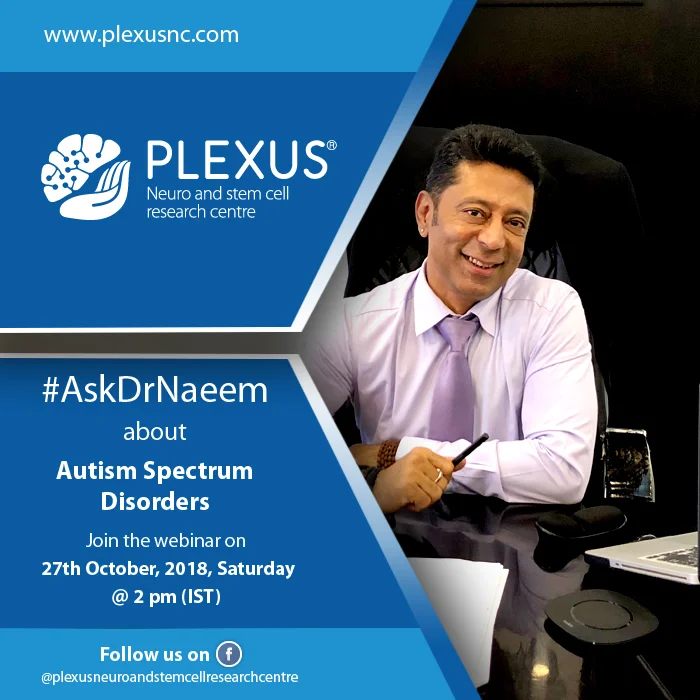
Dr. Na’eem Sadiq
Medical Director of Plexus
Dr. Na’eem Sadiq is a globally recognized neurologist and neuropsychiatrist, renowned for his contributions to the treatment of complex neurological disorders. He founded Plexus in 2011 with a mission to enhance the quality of life for patients living with neurological conditions.
With over 35 years of clinical experience, Dr. Sadiq is considered a leading expert in the field. His internationally acclaimed research spans key topics such as Demyelinating Polyneuropathy, Multiple Sclerosis, Epilepsy, and Migraine, positioning him at the forefront of neurological care worldwide.