
What is Cerebral Palsy?
Cerebral Palsy is a neurological disorder that affects movement and muscle coordination. It results from abnormal development or injury to a baby’s developing brain. The condition usually develops before, during, or shortly after birth. Cerebral Palsy is non-progressive, meaning the brain damage does not worsen over time. However, the symptoms may change as the child grows. It can cause muscle stiffness, involuntary movements, balance problems, or delayed motor milestones.
Causes of Cerebral Palsy
- Cerebral Palsy develops when there is damage to or abnormal development of the developing brain, typically before birth or within the first few years of life when the brain is still forming. This damage disrupts communication between the brain and muscles, leading to challenges in movement and muscle control. Importantly, the original brain injury does not worsen over time, but its effects can evolve as the child grows.
- A major cause of CP is lack of oxygen or blood supply to a baby’s brain before or during birth. Complications such as prolonged labor, placental detachment, or umbilical cord compression can interrupt oxygen flow. When cells are deprived of oxygen, especially in sensitive motor control centers, irreversible injury can occur.
- Maternal infections during pregnancy, such as rubella, cytomegalovirus, toxoplasmosis, or herpes simplex virus, can trigger inflammation affecting fetal brain development. This inflammation may damage neural tissue even before birth.
- CP is strongly linked to premature birth and low birth weight, as premature infants often face bleeding inside the brain (intraventricular hemorrhage), infections, or unstable breathing—factors that raise the risk of neurological damage.
- During or shortly after birth, head trauma, newborn seizures, and severe jaundice leading to kernicterus may contribute to the condition. CP may also occur due to genetic mutations that impair normal brain development, although this is considered less common. In rare cases, postnatal infections, accidents, or lack of medical care can cause brain injury severe enough to result in CP.
Symptoms of Cerebral Palsy
Symptoms of CP vary widely from person to person because different areas of the brain may be affected. The symptoms typically appear during infancy or early childhood; however, signs may not be obvious immediately. Recognizing early indicators helps initiate timely interventions, which improve long-term outcomes.
- Many children experience abnormal muscle tone, ranging from stiffness (spasticity) to low muscle tone (hypotonia). Spasticity causes rigid, tight muscles and makes movements difficult. Babies may feel floppy or have difficulty holding up their head due to weak muscles. Poor muscle tone affects posture, balance, and coordination, making daily movements challenging.
- Motor symptoms commonly include delayed developmental milestones such as difficulty sitting without support, crawling, standing, or walking. Gait patterns may appear irregular, such as walking on toes, crossing or scissoring of the legs, or dragging one foot. Fine motor skills like grasping, writing, or manipulating small objects may also be impaired.
- Involuntary movements—including tremors, twisting motions, or jerky muscle contractions—can interfere with purposeful actions. Some children develop orthopedic complications like joint deformities or scoliosis due to long-term muscle imbalance.
- Other symptoms may extend beyond motor difficulties. Some children with CP experience speech delays or difficulty articulating words, swallowing problems leading to aspiration risk, seizures, and cognitive challenges such as learning disabilities or attention difficulties. Vision or hearing impairments may also appear, depending on the extent of neurological involvement.
Diagnosis of Cerebral Palsy
- Diagnosing CP is complex and requires thorough evaluation since early symptoms may resemble other neurological conditions. Doctors usually begin assessment when parents or caregivers observe delays in movement, posture abnormalities, or unusual muscle tone.
- The first step involves a detailed review of medical history, including pregnancy, delivery complications, infections, and developmental milestones. Pediatricians assess muscle reflexes, range of motion, coordination, and responses during clinical examination. Tools such as the Gross Motor Function Classification System (GMFCS) help determine severity levels.
- Next, neuroimaging techniques are used to detect abnormal brain development or signs of injury. An MRI is commonly performed because it offers detailed images and helps identify areas of brain damage, lesions, or white matter abnormalities. In certain cases, CT scans are used if MRI isn’t possible or to detect bleeding or calcifications.
- An EEG may be conducted to evaluate brain electrical activity when the child has seizures. In cases where genetic or metabolic causes are suspected, doctors may recommend blood tests or metabolic screening to rule out related conditions.
- Finally, a multidisciplinary approach involving neurologists, developmental pediatricians, therapists, and orthopedic specialists ensures correct diagnosis and personalized treatment planning. Early diagnosis is crucial because early intervention therapies can improve motor development, communication, and overall quality of life.
What is Cell Therapy?
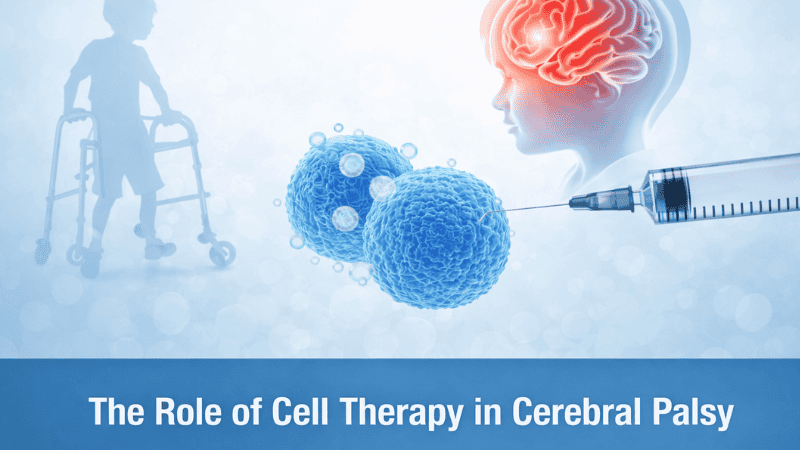
Cell Therapy is a regenerative medical approach using specialized cells to repair, replace, or regenerate damaged tissues. It is important to note that Cerebral Palsy cannot be cured; however, Cell Therapy aims to manage symptoms and improve the quality of life. In Cerebral Palsy , therapeutic cells support neuroplasticity—the brain’s ability to reorganize and form new neural pathways. They may help reduce inflammation, promote cellular repair, and improve motor and cognitive functioning over time.
Benefits of Cell Therapy for Cerebral Palsy
1. Improves Muscle Strength and Tone
Cell Therapy helps in regulating abnormal muscle tone by repairing damaged neural pathways. This can reduce spasticity and muscle stiffness, allowing smoother voluntary movements and improved control over posture and daily activities.
2. Enhances Motor Function
Children often show better gross and fine motor skills after Cell Therapy. Improvements may include easier sitting, standing, walking, hand coordination, and ability to perform tasks requiring dexterity, contributing to greater independence.
3. Promotes Balance and Coordination
Regenerative Cells support neuroplasticity, enhancing communication between the brain and muscles. This leads to improved balance, stability, and coordination, which reduces the risk of falls and facilitates safer mobility.
4. Supports Speech and Cognitive Development
By improving neural connectivity, Cell Therapy may positively impact cognitive abilities, attention, memory, and learning. Some children also experience clearer speech, improved articulation, and better overall communication skills.
5. Reduces Muscle Spasticity and Pain
Cell Therapy can modulate inflammation in the brain, which helps in lowering muscle stiffness and reducing discomfort. Less pain allows patients to participate more actively in rehabilitation and daily routines.
6. Enhances Responsiveness to Rehabilitation
Children receiving Cell Therapy often respond better to conventional therapies such as Physiotherapy, Occupational Therapy, and Speech Therapy. The synergistic effect accelerates progress and improves overall functional outcomes.
7. Improves Quality of Life
Improvements in motor skills, cognitive function, and daily independence translate into a better quality of life. Children with CP may gain confidence, social engagement, and the ability to perform everyday tasks more efficiently.
8. Potential for Long-Term Functional Gains
While CP is a lifelong condition, Cell Therapy offers the possibility of sustained improvement over time. Many patients maintain functional gains months after therapy, especially when combined with a structured rehabilitation program.
Types of Cell Therapy Used in Cerebral Palsy
Autologous Mesenchymal Cells
These cells are extracted from the patient’s own bone marrow or adipose tissue. Because they originate from the same body, rejection risks are minimal. Autologous Mesenchymal Cells are known for their anti-inflammatory properties, ability to differentiate into nerve-supporting cells, and potential to stimulate neural repair.
Umbilical Cord Blood Cells
Cord blood cells contain hematopoietic and Autologous Mesenchymal Cells that release neuroprotective and growth factors. Research suggests they may enhance brain repair, improve neural connectivity, and support better functional outcomes when combined with rehabilitation.
Other Therapies for Cerebral Palsy at Plexus
Cerebral Palsy (CP) requires a comprehensive, multidisciplinary approach to help individuals achieve maximum independence and improve overall quality of life. While advanced treatments like Cell Therapy target neurological repair, conventional therapies remain essential for managing symptoms, improving mobility, and enhancing functional abilities. Combining these therapies often produces the best outcomes for children and adults living with CP.
Aquatic Therapy involves performing exercises in a pool, where the buoyancy of water reduces the impact of gravity on muscles and joints. This environment allows patients to move more freely while strengthening muscles, improving flexibility, and enhancing coordination. Water resistance provides a gentle form of strength training while reducing spasticity and discomfort. Aquatic Therapy is particularly effective for balance training, posture improvement, and endurance building in a safe, low-risk setting.
Physiotherapy focuses on improving gross motor skills such as sitting, standing, walking, and other fundamental movements. Through stretching exercises, strengthening routines, gait training, and posture correction, Physiotherapy helps maintain mobility, prevent contractures, and reduce orthopedic complications. Consistent Physiotherapy supports long-term physical health and enhances the benefits of other treatments, including Cell Therapy.
Occupational Therapy is aimed at helping individuals perform everyday tasks independently, including dressing, feeding, writing, and personal hygiene. Occupational therapists use adaptive tools and exercises to improve fine motor skills, hand-eye coordination, and functional abilities. This therapy also supports participation in school, work, and recreational activities by focusing on practical skills that enhance day-to-day living and overall independence.
Cognitive rehabilitation targets intellectual and learning challenges often associated with CP. Through structured exercises designed to improve attention, memory, problem-solving, and decision-making skills, cognitive rehabilitation enhances academic performance, social engagement, and overall brain function. Combining cognitive training with physical therapies ensures a holistic approach to development.
Speech Therapy addresses communication difficulties, including speech delays, unclear articulation, and oral motor weaknesses. Speech therapists strengthen the muscles of the mouth, tongue, and throat, improving clarity of speech and enabling more effective verbal communication. For individuals with severe speech limitations, therapists also introduce alternative communication methods, helping patients express themselves and engage socially.
Swallowing therapy, also known as dysphagia therapy, is critical for patients who have difficulty chewing or swallowing. These exercises strengthen the muscles involved in swallowing and improve coordination, reducing the risk of choking or aspiration. Proper swallowing therapy ensures adequate nutrition and hydration while promoting safety during meals.
Recreational therapy incorporates play, sports, music, and creative activities to improve motor skills, coordination, and social interaction. These activities provide emotional and psychological benefits, fostering confidence, self-expression, and enjoyment. Recreational therapy encourages active participation while simultaneously promoting physical, cognitive, and social development in a fun, engaging manner.
Why Choose Plexus in India
Selecting the right centre can make a world of a difference to recovery outcomes. Here’s why Plexus stands out:
- Expertise: Since 2011, Plexus has specialised in neurological and regenerative rehabilitation, treating hundreds of thousands of patients and building a strong reputation in complex nerve‑injury care. Plexus specialists are experienced in both neurology and neuro‑surgery, offering the full spectrum of care under one roof.
- Facilities & Multidisciplinary Team: Plexus is India’s first ISO‑certified regenerative rehabilitation & research centre, equipped with state‑of‑the‑art diagnostic imaging, surgical theatres and dedicated rehabilitation suites. Plexus interdisciplinary team includes neurologists, neurosurgeons, physiotherapists, occupational therapists, pain specialists and regenerative medicine experts all collaborating to deliver integrated care.
- Patient Journey & Access: From first consultation to discharge and long‑term follow‑up, Plexus guides patients through every stage of recovery. Plexus supports both Indian and international patients, offering cost‑effective care without compromising quality. Comfortable outpatient programs, therapy and treatment planning, and accessible communication with Plexus doctors are part of Plexus commitment.
Other Disorders Treated at Plexus
At Plexus, our expertise extends to offer comprehensive care for a variety of neurological and related conditions. Plexus provide specialized treatments for disorders such as, Brachial Plexus Injury, Spinocerebellar Ataxia, Sensory Processing Disorder (SPD), Multiple Sclerosis, Parkinson’s Disease, Spinal Cord Injury, Motor Neuron Disease, Stroke, Autoimmune Conditions, Orthopedic Conditions, and Sports Injuries. Plexus multidisciplinary approach, incorporating therapies like Cell Therapy, Physiotherapy, Occupational Therapy, Aquatic Therapy, and Speech Therapy, ensures personalized care tailored to each condition, helping patients achieve improved mobility, function, and quality of life.
Patient Success Stories: The Transformative Impact of Dr. Na’eem Sadiq
Dr. Na’eem Sadiq’s expertise and compassionate care have changed the lives of countless patients at Plexus. Through a combination of personalized therapies and innovative treatments, Dr. Sadiq has helped individuals overcome significant challenges and regain independence. Below are five inspiring success stories that highlight his profound impact:
- Enhanced Mobility: A 60-year-old Parkinson’s patient, who struggled with walking due to tremors, regained improved balance and gait after six months of Aquatic Therapy and Physiotherapy under Dr. Sadiq’s care, leading to independent movement once again.
- Improved Communication Skills: A patient with speech difficulties made impressive strides through Dr. Sadiq’s tailored Speech Therapy program, regaining confidence and communication abilities.
- Restored Daily Functionality: A 55-year-old from Bangalore, initially struggling with routine tasks like dressing, regained independence and returned to work within four months following targeted Occupational Therapy.
- Greater Independence: After five months of Cell Therapy and Physiotherapy treatment, a 65-year-old patient experiencing severe stiffness saw remarkable improvements in mobility and regained a higher level of independence.
- Transformative Recovery Journey: A patient, deeply grateful for Dr. Sadiq’s attentive care, saw significant progress in motor skills and communication after a three-month combination of Speech and Occupational Therapy at Plexus.