
What is cerebral palsy?
Cerebral Palsy is a neurological condition affecting movement, posture, and muscle coordination. The definition of cerebral palsy describes it as a group of permanent disorders that influence motor function due to early brain injury. The cerebral palsy definition highlights its impact on muscle control and development. Cerebral palsy disease may affect speech, swallowing, and language abilities, especially in a cerebral palsy baby, or cerebral palsy in children. Early identification of early signs of cerebral palsy in newborn and cerebral palsy symptoms in babies supports timely intervention.
Ready to Begin?
Our centres in Bengaluru (HRBR Layout) and Hyderabad are open Monday to Saturday, 8:30 AM to 6:30 PM.
Types of Cerebral Palsy
| Type / Classification | Description | Common Symptoms | Impact on Speech | Related Keywords |
| Spastic Cerebral Palsy | Most common form under the classification of cerebral palsy; caused by increased muscle tone and stiffness. | Stiff muscles, tight movements, difficulty with coordination. | Speech may sound strained due to limited control of lips, tongue, and jaw. | cerebral palsy types, spastic cerebral palsy, type of cerebral palsy, cerebral palsy classification |
| Spastic Diplegic Cerebral Palsy | A subtype of spastic form mainly affecting lower limbs. | Leg stiffness, walking difficulty, mild upper limb involvement. | Speech may be mildly affected if oral muscles are involved. | spastic diplegic cerebral palsy, spastic diplegia cerebral palsy, cerebral palsy types |
| Dyskinetic Cerebral Palsy | Includes involuntary movements affecting muscle control. | Uncontrolled movements, fluctuating muscle tone. | Speech may be unclear due to irregular muscle movements affecting articulation. | dyskinetic cerebral palsy, cerebral palsy types, classification of cerebral palsy |
| Athetoid Cerebral Palsy | A form of dyskinetic type with slow, writhing movements. | Slow involuntary movements, difficulty maintaining posture. | Speech may vary in tone and clarity due to uncontrolled facial muscle movements. | athetoid cerebral palsy, cerebral palsy types |
| Dystonic Cerebral Palsy | Characterized by sustained muscle contractions and abnormal postures. | Twisting movements, muscle spasms, posture difficulties. | Speech may be interrupted by muscle contractions affecting fluency. | dystonic cerebral palsy, cerebral palsy classification |
| Ataxic Cerebral Palsy | Affects balance and coordination due to cerebellum involvement. | Poor balance, shaky movements, coordination issues. | Speech may be slow and uneven, affecting rhythm and pronunciation. | ataxic cerebral palsy, what are the 4 types of cerebral palsy |
| Mixed Cerebral Palsy | Combination of two or more types under the cerebral palsy classification. | Symptoms of multiple forms. | Speech difficulties vary depending on the affected areas. | mixed cerebral palsy, cerebral palsy types, classification of cerebral palsy |
Cerebral Palsy Causes That Have Impact on Speech
- Brain Injury Before Birth
One of the primary causes of Cerebral Palsy, also referred to as the cerebral palsy causes, cause of cerebral palsy, cerebral palsy cause, and what causes cerebral palsy, is brain injury that occurs before birth. When the developing brain is affected during pregnancy due to infections, genetic abnormalities, or restricted blood supply, it may lead to the condition known as cerebral palsy disease. This early brain damage can impact areas responsible for motor control and language processing, resulting in symptoms of cerebral palsy and cerebral palsy signs and symptoms related to speech delays, unclear articulation, and difficulty forming sentences. In many cases, a cerebral palsy baby may show early signs of cerebral palsy in newborn, including weak muscle control that later affects speech development. Early detection through cerebral palsy diagnosis supports timely intervention and effective cerebral palsy management.
- Complications During Birth
Birth complications are another significant factor in the causes of cerebral palsy. Oxygen deprivation during delivery, prolonged labor, or emergency complications can damage parts of the brain controlling movement and communication. This contributes to the definition of cerebral palsy, which describes permanent motor impairment caused by early brain injury. When speech-related brain regions are affected, individuals may experience delayed language development, slurred speech, or difficulty controlling breathing while speaking. These challenges are common in cerebral palsy in children, cerebral palsy child, and cerebral palsy patient cases. Understanding the underlying cerebral palsy cause helps in planning appropriate cerebral palsy therapies and comprehensive treatment of cerebral palsy.
- Premature Birth and Low Birth Weight
Premature birth is closely associated with what causes cerebral palsy and is a known risk factor in the overall cerebral palsy classification. Babies born early may have underdeveloped brains that are more vulnerable to injury. This can affect muscle coordination and speech motor planning. Depending on the type of cerebral palsy, such as spastic cerebral palsy, dyskinetic cerebral palsy, ataxic cerebral palsy, or mixed cerebral palsy, speech issues may vary in severity. In spastic diplegic cerebral palsy and spastic diplegia cerebral palsy, muscle stiffness may interfere with articulation. In athetoid cerebral palsy and dystonic cerebral palsy, involuntary movements can disrupt consistent speech patterns. Proper classification of cerebral palsy and understanding the cerebral palsy types help guide effective cerebral palsy treatment and long-term management of cerebral palsy.
- Infections and Medical Conditions
Certain infections during pregnancy or early infancy are recognized among the cerebral palsy causes. These infections can lead to inflammation or brain damage, influencing motor and language development. As a result, individuals may present with cerebral palsy symptoms in babies, progressing into noticeable cerebral palsy signs and symptoms in early childhood. Speech clarity, vocabulary development, and sentence formation may be affected. Early intervention, including cerebral palsy occupational therapy and structured rehabilitation programs, plays an important role in improving communication outcomes.
- Genetic and Developmental Factors
Genetic abnormalities and abnormal brain development are also considered part of the causes of cerebral palsy and cerebral palsy cause. When brain structures responsible for coordination and speech are impacted, difficulties in articulation and language processing may occur. These factors contribute to different cerebral palsy types, including mild cerebral palsy and more complex forms. Accurate cerebral palsy diagnosis ensures appropriate therapy planning. Comprehensive cerebral palsy treatments, along with supportive cerebral palsy medication when required, form part of overall cerebral palsy management. In modern rehabilitation programs, including cerebral palsy treatment in India, multidisciplinary care helps improve functional communication and speech development outcomes.
Symptoms of Cerebral Palsy
- Movement and Muscle Control Difficulties
One of the most common symptoms of Cerebral Palsy is difficulty with muscle control. Due to the underlying cause of cerebral palsy, which involves early brain injury, muscle tone may be either too stiff or too loose. In spastic cerebral palsy, muscle stiffness affects movement and coordination. This may also appear in spastic diplegic cerebral palsy and spastic diplegia cerebral palsy, where tight muscles limit smooth physical activity. These motor difficulties are key features in the classification of cerebral palsy and help identify the specific cerebral palsy types.
- Speech and Communication Problems
Speech difficulties are common cerebral palsy signs and symptoms, especially when brain areas responsible for language and motor control are affected. Children with dyskinetic cerebral palsy, including athetoid cerebral palsy and dystonic cerebral palsy, may experience involuntary movements that disrupt clear speech production. In ataxic cerebral palsy, coordination problems can affect speech rhythm and pronunciation. These communication challenges are observed across different cerebral palsy types and may require cerebral palsy therapies, including Speech therapy as part of overall treatment of cerebral palsy.
- Delayed Developmental Milestones
Developmental delays are often early indicators of cerebral palsy symptoms in babies and early signs of cerebral palsy in newborn. A cerebral palsy baby may take longer to sit, crawl, walk, or speak compared to typical developmental timelines. These delays are associated with the underlying cerebral palsy causes, such as brain injury before, during, or shortly after birth. Early recognition supports timely cerebral palsy diagnosis and effective management of cerebral palsy to improve long-term outcomes.
- Balance and Coordination Issues
Balance difficulties are particularly common in ataxic cerebral palsy, which affects coordination and stability. These symptoms may also appear in mixed cerebral palsy, depending on the affected brain regions. Poor balance can influence speech as well, since coordinated breathing and muscle control are necessary for clear communication. Understanding the type of cerebral palsy and proper cerebral palsy classification helps in designing targeted rehabilitation strategies under comprehensive cerebral palsy treatment.
- Associated Medical Conditions
Some individuals with cerebral palsy patient needs may experience additional conditions such as seizures, muscle contractures, or feeding difficulties. While cerebral palsy medication may help manage certain symptoms, therapy remains central to care. Comprehensive cerebral palsy treatments, including cerebral palsy occupational therapy and other rehabilitation approaches, support independence and quality of life. In structured programs such as cerebral palsy treatment in India, multidisciplinary care addresses both physical and communication-related challenges associated with the condition.
Benefits of Speech Therapy for Cerebral Palsy Patient
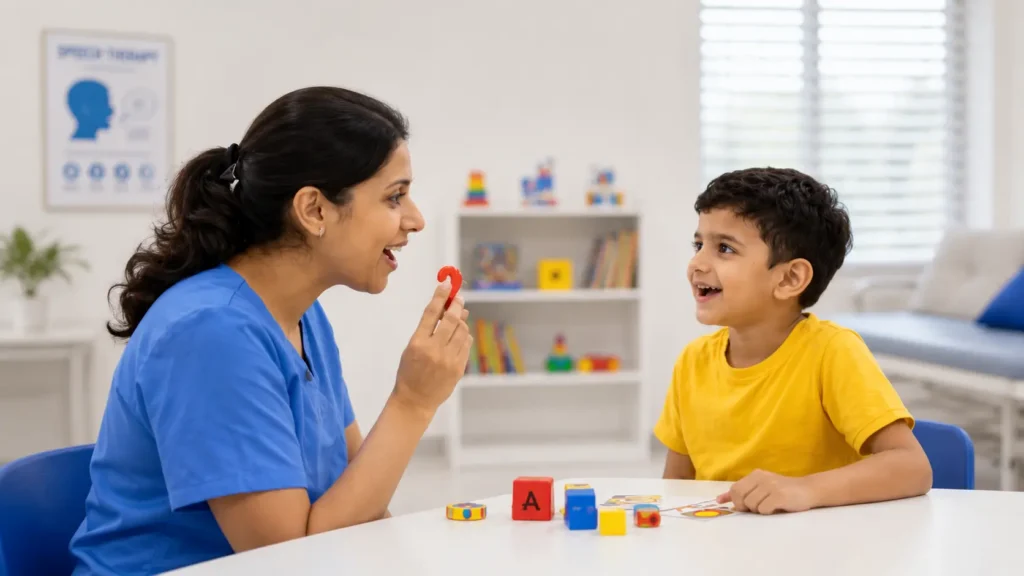
Speech therapy plays a vital role in the overall Cerebral Palsy management and forms an important part of comprehensive cerebral palsy treatment. Since cerebral palsy disease affects muscle control, communication, and coordination, structured intervention helps improve functional abilities in a cerebral palsy patient, including cerebral palsy in children, cerebral palsy child, and cerebral palsy baby cases. Based on the cerebral palsy classification and specific cerebral palsy types, speech therapy is tailored to individual needs to support better outcomes.
- Improvement in Speech Clarity
One of the primary benefits of speech therapy is enhanced articulation and pronunciation. Many individuals with symptoms of cerebral palsy experience difficulty controlling the lips, tongue, and jaw due to muscle stiffness or involuntary movements. In conditions such as spastic cerebral palsy, dyskinetic cerebral palsy, ataxic cerebral palsy, athetoid cerebral palsy, dystonic cerebral palsy, and mixed cerebral palsy, speech may be unclear. Speech therapy helps strengthen oral muscles and improve coordination, supporting clearer communication as part of overall cerebral palsy therapies and treatment of cerebral palsy.
- Enhanced Language Development
Speech therapy supports vocabulary building, sentence formation, and comprehension skills. Individuals diagnosed through proper Cerebral Palsy diagnosis often show delayed language development due to early brain injury related to the cause of cerebral palsy and broader cerebral palsy causes. Structured sessions improve expressive and receptive language abilities, helping address cerebral palsy signs and symptoms related to communication delays. This contributes to better academic participation and social interaction in cerebral palsy in children and supports long-term developmental progress.
- Better Swallowing and Feeding Safety
In many cerebral palsy patients, muscle coordination issues affect swallowing. Speech therapy includes swallowing exercises that improve oral motor control and reduce risks associated with feeding difficulties. This benefit is particularly important in severe cases under different types of cerebral palsy, as identified through classification of cerebral palsy. Improved swallowing function enhances nutrition, safety, and overall well-being as part of comprehensive management of cerebral palsy.
- Increased Confidence and Social Interaction
Communication challenges can impact confidence levels. Speech therapy helps individuals express thoughts more effectively, improving participation in school, family, and community activities. Whether the condition is mild cerebral palsy or another form under the cerebral palsy classification, improved communication skills support emotional development and independence. These outcomes are an essential part of holistic cerebral palsy treatment and rehabilitation programs.
- Support for Early Intervention
Early identification of early signs of cerebral palsy in newborn and cerebral palsy symptoms in babies allows timely initiation of therapy. Early intervention enhances speech development outcomes and reduces long-term communication difficulties. Combined with other cerebral palsy therapies such as physiotherapy and cerebral palsy occupational therapy, Speech therapy strengthens overall functional abilities. In structured cerebral palsy treatment in India, multidisciplinary care ensures comprehensive support for individuals across different cerebral palsy types.
Plexus Treatment for Cerebral Palsy
Comprehensive rehabilitation programs focus on improving mobility, communication, cognition, and daily living skills. The multidisciplinary approach supports individuals diagnosed with cerebral palsy, including different types of cerebral palsy, as identified through proper cerebral palsy diagnosis and cerebral palsy classification. The treatment strategy is customized based on cerebral palsy symptoms, severity, and functional needs.
Aquatic therapy uses water-based exercises to improve muscle strength, flexibility, and coordination. The buoyancy of water reduces joint stress and supports safe movement practice for individuals with spastic cerebral palsy, ataxic cerebral palsy, dyskinetic cerebral palsy, and mixed cerebral palsy. This therapy helps improve balance, posture control, and overall motor function as part of comprehensive cerebral palsy management. Water resistance also enhances muscle activation without excessive strain, supporting better physical rehabilitation outcomes.
Physiotherapy is a core component of cerebral palsy treatment and focuses on improving mobility, muscle tone, and functional independence. It addresses stiffness commonly seen in spastic diplegic cerebral palsy and coordination challenges associated with other cerebral palsy types. Structured exercises enhance strength, gait training, posture correction, and flexibility. Physiotherapy plays an essential role in long-term management of cerebral palsy and supports improved daily functioning in a cerebral palsy patient.
Occupational therapy helps individuals develop skills required for daily activities such as dressing, writing, feeding, and personal care. This therapy supports independence in cerebral palsy in children and cerebral palsy child cases by improving fine motor skills and hand coordination. It also addresses adaptive techniques for individuals with mild cerebral palsy or more complex forms under the classification of cerebral palsy. Occupational therapy enhances functional ability and complements overall cerebral palsy therapies.
Cognitive rehabilitation focuses on improving memory, attention, problem-solving, and learning abilities. Some individuals with cerebral palsy disease may experience cognitive challenges depending on the underlying cause of cerebral palsy or associated brain injury. Structured cognitive programs support academic performance and daily decision-making skills. This intervention contributes to holistic cerebral palsy management and improves quality of life through targeted brain-function enhancement.
Swallowing therapy is essential for individuals experiencing feeding difficulties due to muscle coordination issues. It helps improve oral motor control and reduces risks associated with improper swallowing patterns. This therapy is particularly beneficial in moderate to severe cases across different cerebral palsy types. As part of integrated cerebral palsy treatment, swallowing therapy enhances nutritional safety and overall well-being while supporting comprehensive rehabilitation goals.
Why Choose Plexus in India
Selecting the right centre can significantly influence recovery outcomes. Plexus stands out due to its strong clinical expertise, advanced infrastructure, and patient-focused rehabilitation approach.
- Expertise: Since 2011, Plexus has specialised in neurological and regenerative rehabilitation, supporting hundreds of thousands of patients and building extensive experience in complex nerve-injury care. The team includes specialists in neurology and neuro-surgery, ensuring comprehensive evaluation and treatment under one roof. This integrated expertise enhances accuracy in diagnosis and effectiveness in rehabilitation planning.
- Facilities & Multidisciplinary Team: Plexus is recognised as India’s first ISO-certified regenerative rehabilitation and research centre, equipped with advanced diagnostic imaging systems, modern surgical theatres, and dedicated rehabilitation suites. The interdisciplinary team includes neurologists, neurosurgeons, physiotherapists, occupational therapists, pain specialists, and regenerative medicine experts who collaborate to deliver coordinated and evidence-based care. This teamwork ensures personalized treatment strategies and structured recovery programs.
- Patient Journey & Access: From initial consultation through treatment, rehabilitation, and long-term follow-up, every stage of recovery is systematically guided. Both Indian and international patients receive cost-effective care without compromising clinical standards. Structured outpatient programs, detailed therapy planning, and accessible communication channels ensure smooth coordination throughout the recovery process, reflecting a commitment to quality and continuity of care.
Ready to Begin?
Our centres in Bengaluru (HRBR Layout) and Hyderabad are open Monday to Saturday, 8:30 AM to 6:30 PM.
Other Disorders Treated at Plexus
At Plexus,expertise extends to offer comprehensive care for a variety of neurological and related conditions. Plexus provide specialized treatments for disorders such as, Brachial Plexus Injury , Spinocerebellar Ataxia, Sensory Processing Disorder (SPD), Cerebral Palsy, Multiple Sclerosis,Parkinson’s disease, Spinal Cord Injury, Motor Neuron Disease, Stroke, Autoimmune Conditions, Orthopedic Conditions, and Sports Injuries. Plexus multidisciplinary approach, incorporating therapies like Cell Therapy, Physiotherapy, Occupational Therapy, Aquatic Therapy, and Speech Therapy, ensures personalized care tailored to each condition, helping patients achieve improved mobility, function, and quality of life.
FAQs
What is cerebral palsy and how does it affect speech?
Cerebral palsy is a neurological condition that impacts movement and muscle coordination. Due to brain injury related to the cause of cerebral palsy, speech muscles may be affected, leading to unclear pronunciation, delayed language development, and communication difficulties.
What are the symptoms of cerebral palsy related to speech?
Common symptoms of cerebral palsy and cerebral palsy signs and symptoms include slurred speech, difficulty forming words, weak voice control, and delayed language milestones. These issues may vary based on the type of cerebral palsy and overall cerebral palsy classification.
Can speech therapy help all types of cerebral palsy?
Yes. Speech therapy benefits individuals with different cerebral palsy types, including spastic cerebral palsy, dyskinetic cerebral palsy, ataxic cerebral palsy, and mixed cerebral palsy. Therapy plans are customized according to the cerebral palsy diagnosis and functional needs.
When should speech therapy begin?
Early intervention is recommended, especially when early signs of cerebral palsy in newborn or cerebral palsy symptoms in babies are identified. Starting therapy early improves communication outcomes and supports better cerebral palsy management.
Is speech therapy part of overall cerebral palsy treatment?
Yes. Speech therapy is an important component of cerebral palsy treatment, along with physiotherapy, occupational therapy, and other cerebral palsy therapies. A multidisciplinary approach enhances long-term progress and independence.