

Children with Cerebral Palsy often face challenges with movement, coordination, and daily activities. Occupational therapy (OT) plays a crucial role in helping children build independence, confidence, and essential life skills.
This guide explores ‘what is Cerebral Palsy’, how OT helps, and why it is a core component of comprehensive Cerebral Palsy treatment.
What is Occupational Therapy for Cerebral Palsy?
Occupational therapy for children with Cerebral Palsy helps them perform everyday tasks like dressing, feeding, writing, and playing.
With different types of Cerebral Palsy — including Spastic Cerebral Palsy, dyskinetic, ataxic, or mixed — a customised OT intervention helps children develop essential cognitive and physical skills needed for daily life.
Understanding Occupational Therapy (OT) and its Role for Children with CP
Occupational therapy (OT) is a healthcare practice that helps children with Cerebral Palsy build the skills they need to perform daily activities independently and confidently.
Using targeted exercises, sensory-motor activities, adaptive strategies, and environmental modifications, OT enhances coordination, strength, fine motor abilities, and problem-solving skills.
OT Techniques and Approaches for Children with CP
Occupational therapists use evidence-based techniques that are designed based on the child’s age, needs, and specific Cerebral Palsy types.
Fine Motor Exercises, Sensory-Motor Integration and Adaptive Tools
- Strengthen hand function, grip, and finger control through fine motor exercises
- Improve balance, movement, and coordination via sensory-motor activities
- Use adaptive tools like pencil grips, modified cutlery, or angled boards for easier daily tasks
Use of Assistive Devices, Adaptive Equipment and Environmental Modifications
- Support positioning and stability with splints, supportive seating, or communication boards
- Modify environments — desk height, home layout, or classroom setup — to enhance participation and independence
Tailoring OT to Age, Type and Severity of CP
Different Cerebral Palsy types impact children differently:
- Spastic Cerebral Palsy may cause tight muscles and difficulty controlling movements
- Dyskinetic CP causes involuntary movements
- Ataxic CP affects balance and coordination
- Mixed CP combines multiple symptoms
OT programs consider:
- Age-specific milestones
- Functional difficulties
- Cognitive abilities
- Home and school environment
- Severity of motor challenges
Early, personalized intervention helps children reach their fullest potential.
Long-Term Benefits of Occupational Therapy for CP
For many families, OT provides a lifelong, adaptable support that boosts daily living confidence and independence.
- Better fine motor control
- Improved participation in school
- Enhanced independence in self-care tasks
- Reduced caregiver burden
- Increased emotional and social confidence
- Better integration of sensory inputs
- Smoother transitions into adolescence and adulthood
Best Therapies for Cerebral Palsy at Plexus
Children with cerebral palsy benefit from our integrated expert care that nurtures motor development and practical skills.
Aquatic Therapy
Water-based exercises that reduce strain on muscles while improving strength, flexibility, and coordination.
Physiotherapy
Customized exercises and mobility training to target Spastic Cerebral Palsy and other Cerebral Palsy types.
Occupational Therapy
Activities designed to improve daily living skills, independence, and hand-eye coordination.
Cognitive Therapy
Supports mental processing, memory, and learning alongside physical development.
Speech and Language Therapy
Addresses communication challenges often seen in children with Cerebral Palsy.
Swallowing Therapy
Helps children overcome feeding difficulties associated with certain Cerebral Palsy symptoms.
Other Disorders and Treatments Offered at Plexus
Plexus offers advanced therapies for neurological, musculoskeletal, and autoimmune conditions.
Therapies
- Behaviour Therapy
- Custom Splinting & Orthotics
- Early Intervention
- Hand Rehabilitation
- Obesity & Lifestyle Management
- Sensory Integration Therapy
Disorders Treated
- Brachial Plexus Injury
- Spinocerebellar Ataxia
- Sensory Processing Disorder (SPD)
- Cerebral Palsy
- Multiple Sclerosis
- Spinal Cord Injury
- Motor Neuron Disease
- Stroke
- Autoimmune Conditions
- Orthopedic Conditions
- Sports Injuries
Occupational Therapy Empowers CP Children for Greater Independence and Better Quality of Life
Occupational Therapy plays a vital role in cerebral palsy treatment by helping children build functional independence and greater everyday confidence.
Why OT Helps:
- Builds fine motor and hand-eye coordination
- Improves sensory processing
- Strengthens self-care abilities (feeding, dressing, grooming)
- Boosts confidence and emotional well-being
- Encourages independence in daily routines
How OT Works:
- Task-based training for real-life skills
- Fine motor and hand function exercises
- Sensory-motor integration activities
- Adaptive tools and assistive devices
- Environmental modifications at home/school
- Cognitive and behavioral strategies
- Parent and caregiver training
Outcome:
More independence, better participation, improved quality of life.
Patient Success Stories: Transformative Impact
Dr. Na’eem Sadiq’s expertise and compassionate approach have profoundly impacted the lives of countless patients at Plexus. By combining personalized therapies with innovative treatment methods, he has helped individuals overcome significant challenges and regain independence. The following success stories highlight the transformative outcomes under his care:
Enhanced Mobility: A 60-year-old Parkinson’s patient, who faced difficulty walking due to tremors, experienced significant improvement in balance and gait after six months of Aquatic Therapy and Physiotherapy. Under Dr. Sadiq’s guidance, the patient regained independent movement and greater confidence in daily activities.
Improved Communication Skills: A patient struggling with speech difficulties made remarkable progress through a customized Speech Therapy program designed by Dr. Sadiq. The therapy helped restore communication abilities and boosted the patient’s confidence in social interactions.
Restored Daily Functionality: A 55-year-old patient from Bangalore, initially struggling with basic tasks like dressing and personal care, regained independence and returned to work within four months after undergoing targeted Occupational Therapy. The program was tailored to rebuild functional skills and support everyday activities.
Greater Independence: A 65-year-old patient experiencing severe stiffness and limited mobility showed remarkable improvement after five months of Cell Therapy combined with Physiotherapy. The treatment significantly enhanced mobility and enabled the patient to achieve a higher level of independence in daily life.
Transformative Recovery Journey: Another patient, deeply appreciative of Dr. Sadiq’s attentive care, demonstrated substantial progress in both motor skills and communication after a three-month program combining Speech Therapy and Occupational Therapy at Plexus. The holistic approach helped restore functional abilities and improve overall quality of life.
Why is Plexus the Best Choice for Treatments in India?
With advanced therapies and intensive neuro-rehabilitation, Plexus helps children improve mobility, communication, and daily function — making it a trusted choice for comprehensive CP care.
Reach Out to Us
WhatsApp: +91 89048 42087 | Call +91 93555 33404 (Bangalore)
FAQs
What is occupational therapy and how does it help children with CP?
Occupational therapy is a rehabilitation practice that helps children with cerebral palsy develop the motor, sensory, and daily living skills needed for greater independence.
How soon after diagnosis should a child begin occupational therapy?
A child should start occupational therapy as early as possible after diagnosis to maximize developmental progress.
What daily living skills can OT help a CP child develop?
OT helps children learn feeding, dressing, grooming, writing, play, and other self-care and school-related skills.
Can OT improve hand function and coordination in CP children?
Yes, OT significantly improves hand strength, fine motor control, and overall coordination through targeted exercises.
Do CP children use special aids or adaptive devices in OT?
Yes, therapists often use adaptive tools like special grips, modified cutlery, splints, or supportive seating to make tasks easier.
Is OT beneficial for all forms of Cerebral Palsy (spastic, dyskinetic, ataxic)?
Yes, occupational therapy supports children across all CP types by addressing their unique motor and sensory needs.
About the Author
Dr. Na’eem Sadiq
Medical Director of Plexus
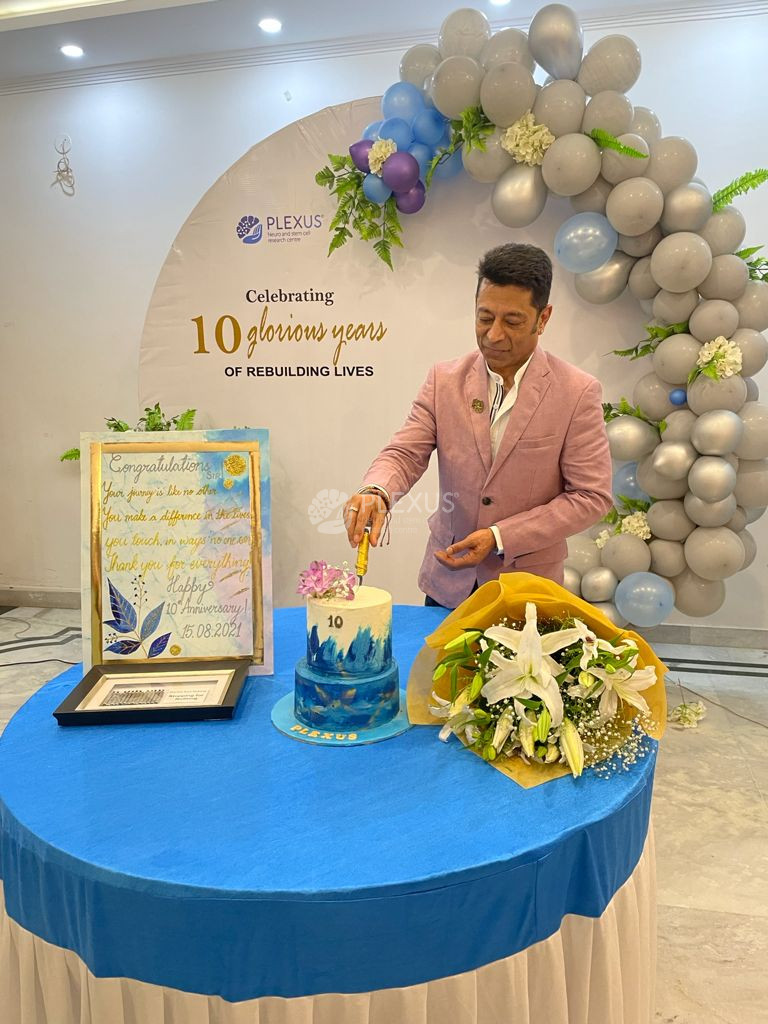
Dr. Na’eem Sadiq is a globally recognized neurologist and neuropsychiatrist, renowned for his contributions to the treatment of complex neurological disorders. He founded Plexus in 2011 to enhance the quality of life for patients living with neurological conditions.
With over 35 years of clinical experience, Dr. Sadiq is considered a leading expert in the field. His acclaimed research spans Demyelinating Polyneuropathy, Multiple Sclerosis, Epilepsy, and Migraine—placing him at the forefront of neurological care worldwide.