
What Is Myasthenia Gravis? Understanding the Condition
Myasthenia Gravis (MG) is a chronic Autoimmune neuromuscular disorder that causes fluctuating muscle weakness and fatigue. Myasthenia Gravis occurs when the immune system mistakenly attacks the communication pathway between nerve cells and muscles. Antibodies block acetylcholine receptors at the neuromuscular junction, preventing muscles from receiving proper signals. As a result,muscles tire are getting affected easily, especially after repetitive movement.
MG can affect people across ages, but onset is more common in women under 40 and men over 60. While the condition is chronic, early diagnosis, medical management, and rehabilitative support significantly improve quality of life.
Causes of Myasthenia Gravis
- Autoimmune Antibodies
The primary cause of Myasthenia Gravis is an abnormal immune response, where the body produces antibodies that mistakenly target the neuromuscular junction. These antibodies attack structures such as acetylcholine receptors (AChR), muscle-specific kinase (MuSK), or other protein complexes necessary for nerve-to-muscle communication. As the antibody concentration increases, fewer receptor sites are available for signal transmission, resulting in weakened or fatigable muscle contraction. This process leads to fluctuating muscle weakness, which is characteristic of MG.
- Thymus Gland Abnormalities
Many individuals with Myasthenia Gravis have irregularities in the thymus gland, an organ responsible for developing immune cells. In healthy individuals, the thymus shrinks after adolescence, but in MG patients, it may remain enlarged or contain clusters of immune cells, a condition known as thymic hyperplasia. Some patients may also develop thymomas, benign tumors of the thymus. These abnormalities are believed to contribute to the formation of self-reactive antibodies that target neuromuscular cells and trigger Autoimmune dysfunction.
- Genetic and Environmental Triggers
Although MG is not directly inherited, genetic predisposition may increase susceptibility to Autoimmune Conditions. Certain external factors may interact with immune genes to activate pathogenic responses. Viral or bacterial infections may stimulate immune production that cross-reacts with neuromuscular receptors. Hormonal fluctuations, emotional stress, and physical fatigue may intensify antibody activity. In some cases, medications that impair neuromuscular transmission can unmask or worsen MG symptoms. These triggers often precipitate flare-ups in individuals who are genetically predisposed.
Ready to Begin?
Our centres in Bengaluru (HRBR Layout) and Hyderabad are open Monday to Saturday, 8:30 AM to 6:30 PM.
Symptoms of Myasthenia Gravis
- Ocular Muscle Weakness
Many patients first experience symptoms in the muscles controlling eye movement. Because these muscles work continuously, they are highly susceptible to fatigue. Common ocular manifestations include drooping eyelids (ptosis) and double vision (diplopia), which worsen toward the end of the day or after prolonged visual tasks. Eye symptoms may remain isolated for years or progress to generalized muscle involvement depending on the severity of immune activity.
- Bulbar and Facial Weakness
The muscles responsible for speech, swallowing, chewing, and facial expression can become progressively weakened. Patients may report difficulty chewing solid foods, choking episodes while swallowing, or slurred speech that worsens during extended conversations. Weakness in facial muscles may lead to a reduced ability to smile or express emotions. Bulbar involvement is particularly concerning because it can impair nutrition, communication, and airway protection.
- Limb and Neck Muscle Fatigue
The repeated activation of limb and neck muscles during daily activity causes increased demand at neuromuscular junctions. Because receptors are impaired, muscle responses weaken with repeated use, leading to fatigue. Patients may experience difficulty lifting objects, climbing stairs, or holding the head upright due to neck muscle weakness. The fatigue is typically reversible with rest, distinguishing MG from primary muscular disease.
- Respiratory Muscle Involvement
When the respiratory muscles weaken, patients may develop shortness of breath, especially when lying down or exerting themselves. Severe respiratory involvement may trigger a myasthenic crisis, where breathing functions decline rapidly and require emergency support. During such episodes, immediate hospitalization is crucial, as untreated respiratory failure can be life-threatening.
- Fluctuating Fatigue Pattern
A hallmark feature of MG is fluctuating weakness that correlates with physical exertion. Symptoms worsen throughout the day as muscles tire and antibodies interfere with neurotransmission. Rest periods temporarily restore strength, allowing partial recovery. Stress, illness, heat, lack of sleep, and overexertion can trigger symptom flare-ups. This fluctuating pattern can affect daily tasks, emotional wellbeing, and quality of life.
Diagnosis of Myasthenia Gravis
- Neurological and Physical Examination
Diagnosis begins with a detailed neurological assessment to identify fatigable weakness across muscle groups. A physician may evaluate eyelid position, limb movements, speech clarity, reflexes, and muscle endurance before and after repetitive use. Observing how symptoms fluctuate with exertion provides critical clues pointing toward neuromuscular transmission failure.
- Blood Antibody Testing
Blood tests can detect specific autoantibodies associated with MG. The most common are acetylcholine receptor antibodies, but tests may also screen for MuSK and LRP4 antibodies when AChR is negative. Identifying these antibodies supports diagnosis by confirming immune-mediated interference with neuromuscular signaling. The presence and concentration of antibodies may correlate partially with disease severity and progression.
- Electrophysiological Studies
Nerve conduction studies assess electrical activity between nerve endings and muscle fibers. Repetitive nerve stimulation tests evaluate how muscle responses decline with repeated impulses. Single-fiber electromyography (EMG) is particularly sensitive and measures transmission delays between individual muscle fibers. When results show increased jitter or blocking, MG becomes a strong diagnostic possibility.
- Imaging of the Thymus
Imaging studies such as CT scans or MRI are commonly recommended to examine the thymus gland. If enlargement, hyperplasia, or thymoma is detected, the patient may be advised to undergo thymectomy based on specialist evaluation. Thymus imaging helps identify structural causes contributing to Autoimmune dysfunction, guiding long-term treatment planning.
- Edrophonium/Tensilon Test
In select cases, physicians administer edrophonium chloride, a medication that temporarily improves neuromuscular transmission. Rapid improvement in symptoms, such as eyelid elevation or speech clarity, provides strong diagnostic evidence. However, because the medication may cause side effects, the test is now used less frequently and only under controlled monitoring.
- Pulmonary Function Assessment
Patients with bulbar or generalized MG may require lung function evaluation to determine respiratory muscle involvement. Tests measure vital capacity and breathing strength to predict risk for respiratory decline. Monitoring pulmonary function helps identify early indicators of myasthenic crisis, allowing preventive intervention and safer treatment planning.
Treatment for Myasthenia Gravis
Treatment for Myasthenia Gravis focuses on improving neuromuscular transmission, regulating immune activity, reducing fatigue, and enhancing daily function. Since MG symptoms fluctuate and differ in severity from person to person, neurologists develop individualized plans combining medications, immune therapies, surgery when required, and rehabilitation. Continuous monitoring is essential to adjust treatment and prevent complications such as respiratory weakness or myasthenic crisis.
- Medications
Medications remain the first line of treatment and help improve neuromuscular signaling and manage Autoimmune activity. Anticholinesterase drugs like pyridostigmine enhance communication between nerves and muscles by preventing the breakdown of acetylcholine, resulting in improved muscle strength for short periods. Corticosteroids and immunosuppressants such as azathioprine or mycophenolate mofetil reduce antibody production and inflammation at the neuromuscular junction. These medications may take weeks or months to work and require regular monitoring due to potential side effects, but they play a critical role in long-term symptom control.
- Plasmapheresis and Intravenous Immunoglobulin (IVIG)
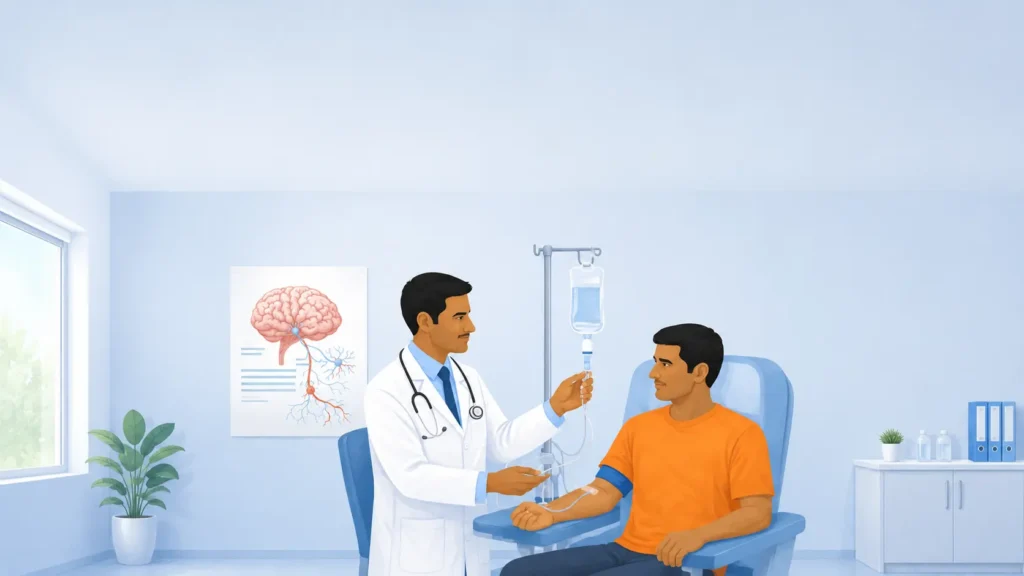
Plasmapheresis and IVIG deliver rapid relief during severe symptoms or exacerbations. Plasmapheresis works by filtering harmful antibodies from the bloodstream, temporarily improving neuromuscular transmission. IVIG introduces healthy antibodies that neutralize immune overactivity and suppress Autoimmune response. Both treatments offer short-term improvement lasting weeks, making them valuable during myasthenic crisis, before surgery, or when rapid stabilization is needed. They are often combined with maintenance medications for sustained control.
- Thymectomy
Thymectomy, or removal of the thymus gland, is recommended for eligible patients with thymoma or certain generalized MG cases. The thymus plays a role in autoimmune antibody production, and its removal may help reduce immune system attacks on neuromuscular receptors. Studies show that thymectomy can result in improved muscle strength, reduced medication needs, and long-term symptom relief in selected patients. Recovery varies, and improvements may appear gradually over months or years.
- Rehabilitation and Physiotherapy
Rehabilitation plays a critical role in improving stamina, muscle endurance, and energy conservation. Physiotherapists design individualized programs to strengthen muscles safely without triggering fatigue. Occupational therapy teaches energy-efficient techniques and assists with daily activities to maintain independence. Speech and swallowing therapy may be required for bulbar weakness, while respiratory training helps improve breathing muscle function. Rehabilitation ensures that patients adopt pacing strategies, proper posture, and breathing control, helping reduce flare-ups and improve daily functioning.
- Lifestyle Management and Long-Term Monitoring
Myasthenia Gravis requires ongoing lifestyle modifications and medical supervision. Learning to recognize triggers such as stress, heat exposure, infections, and sleep deprivation helps patients prevent worsening symptoms. Adequate rest, balanced nutrition, medication adherence, and stress-reduction practices are essential. Regular follow-ups allow neurologists to adjust treatment plans and monitor immune markers, lung capacity, swallowing ability, and muscle strength. Support systems, counseling, and patient education also contribute significantly to long-term management.
Treatment at Plexus – Cell Therapy for Myasthenia Gravis
Cell Therapy at Plexus offers a regenerative approach aimed at improving neuromuscular function and reducing immune-mediated damage in patients with Myasthenia Gravis. While traditional treatments suppress the immune system or temporarily relieve symptoms, Cell Therapy focuses on supporting immune regulation and tissue protection at the neuromuscular junction. The therapy is delivered through personalized protocols developed by expert neurologists, ensuring safe, guided intervention tailored to each patient’s medical history and symptom severity.
How Cell Therapy Works at Plexus
At Plexus, Autologous mesenchymal cells are sourced from the patient’s own body (autologous approach), minimizing the risk of rejection or immune reactivity. These cells possess immune-modulating properties that may help regulate abnormal antibody activity responsible for muscle weakness in MG. After extraction, the cells undergo processing in controlled laboratory conditions to ensure viability and safety. Once prepared, the cells are administered through targeted routes under specialist supervision. In combination with rehabilitation therapy, this biological support may help strengthen neuromuscular communication and reduce fatigue.
Goals of Cell Therapy for Myasthenia Gravis
The primary goal of Cell Therapy at Plexus is not to cure MG, but to improve quality of life by addressing underlying immune dysregulation. Potential therapeutic objectives include restoring balance between immune cells, protecting acetylcholine receptors, and reducing chronic inflammation around neuromuscular junctions. Over time, these mechanisms may help slow symptom progression, increase endurance, and enhance daily functioning. Individual responses vary, and treatment outcomes depend on factors such as disease stage, age, and concurrent therapies.
Why Choose Plexus in India
Selecting the right centre can make a world of a difference to recovery outcomes. Here’s why Plexus stands out:
- Expertise: Since 2011, Plexus has specialised in neurological and regenerative rehabilitation, treating hundreds of thousands of patients and building a strong reputation in complex nerve‑injury care. Plexus specialists are experienced in both neurology and neuro‑surgery, offering the full spectrum of care under one roof.
- Facilities & Multidisciplinary Team: Plexus is India’s first ISO‑certified regenerative rehabilitation & research centre, equipped with state‑of‑the‑art diagnostic imaging, surgical theatres and dedicated rehabilitation suites. Plexus interdisciplinary team includes neurologists, neurosurgeons, physiotherapists, occupational therapists, pain specialists and regenerative medicine experts all collaborating to deliver integrated care.
- Patient Journey & Access: From first consultation to discharge and long‑term follow‑up, Plexus guides patients through every stage of recovery. Plexus supports both Indian and international patients, offering cost‑effective care without compromising quality. Comfortable outpatient programs, therapy and treatment planning, and accessible communication with Plexus doctors are part of Plexus commitment.
Other Disorders Treated at Plexus
At Plexus, expertise extends to offer comprehensive care for a variety of neurological and related conditions. Plexus provide specialized treatments for disorders such as, Brachial Plexus Injury , Spinocerebellar Ataxia, Sensory Processing Disorder (SPD), Cerebral Palsy, Multiple Sclerosis,Parkinson’s disease, Spinal Cord Injury, Motor Neuron Disease, Stroke, Autoimmune Conditions, Orthopedic Conditions, and Sports Injuries. Plexus multidisciplinary approach, incorporating therapies like Cell Therapy, Physiotherapy, Occupational Therapy, Aquatic Therapy, and Speech Therapy, ensures personalized care tailored to each condition, helping patients achieve improved mobility, function, and quality of life.
Ready to Begin?
Our centres in Bengaluru (HRBR Layout) and Hyderabad are open Monday to Saturday, 8:30 AM to 6:30 PM.
Patient Success Stories: The Transformative Impact of Dr. Na’eem Sadiq
Dr. Na’eem Sadiq’s expertise and compassionate care have changed the lives of countless patients at Plexus. Through a combination of personalized therapies and innovative treatments, Dr. Sadiq has helped individuals overcome significant challenges and regain independence. Below are five inspiring success stories that highlight his profound impact:
- Enhanced Mobility: A 60-year-old Parkinson’s patient, who struggled with walking due to tremors, regained improved balance and gait after six months of Aquatic Therapy and Physiotherapy under Dr. Sadiq’s care, leading to independent movement once again.
- Improved Communication Skills: A patient with speech difficulties made impressive strides through Dr. Sadiq’s tailored Speech Therapy program, regaining confidence and communication abilities.
- Restored Daily Functionality: A 55-year-old from Bangalore, initially struggling with routine tasks like dressing, regained independence and returned to work within four months following targeted Occupational Therapy.
- Greater Independence: After five months of Cell Therapy and Physiotherapy treatment, a 65-year-old patient experiencing severe stiffness saw remarkable improvements in mobility and regained a higher level of independence.
- Transformative Recovery Journey: A patient, deeply grateful for Dr. Sadiq’s attentive care saw significant progress in motor skills and communication after a three-month combination of Speech and Occupational Therapy at Plexus.