
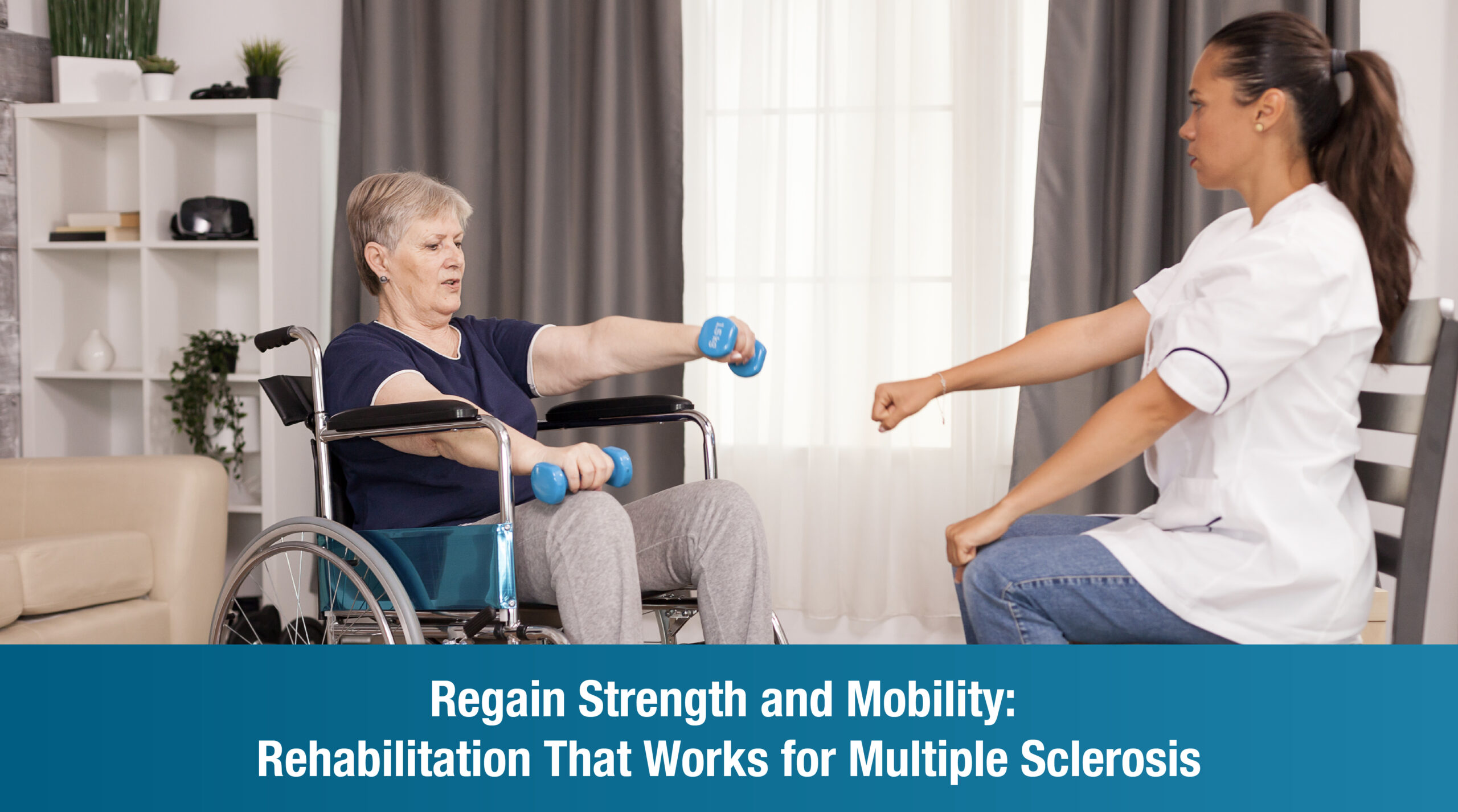
For individuals living with Multiple Sclerosis (MS), maintaining independence and quality of life depends heavily on proactive, ongoing rehabilitation. At Plexus, our personalized programs focus on Multiple Sclerosis Rehabilitation that empowers patients to strengthen their bodies, manage symptoms, and reclaim everyday function.
Why Rehabilitation is Critical for Multiple Sclerosis Management
How Rehabilitation Helps Slow MS Progression
While MS is a chronic neurological condition, regular rehabilitation and therapy can help slow the progression of physical decline. With the right mix of therapies, you can preserve motor skills, coordination, and overall health.
The Connection Between Therapy and Quality of Life
Rehab isn’t just about improving movement—it also boosts mental well-being, reduces fatigue, and improves self-esteem. This holistic approach plays a significant role in long-term management of MS.
Physical Therapy for Improving Mobility in Multiple Sclerosis
Strengthening Muscles and Joints
Through targeted MS Physical Therapy, patients can rebuild strength in weakened muscles and stabilize joints, preventing further loss of function and reducing the risk of falls.
Building Balance and Coordination
Exercises that challenge balance, such as single-leg stands or controlled walking drills, are vital for managing unsteadiness and dizziness often caused by MS.
Stretching Exercises for Spasticity Relief
Stretching routines help reduce stiffness and muscle spasms. Gentle, sustained stretches are especially beneficial for patients with spasticity.
Specialized Multiple Sclerosis Exercise Programs
Aerobic Workouts to Boost Endurance
Low-impact activities such as cycling, swimming, or elliptical workouts improve cardiovascular health and reduce fatigue levels in MS patients.
Resistance Training for Functional Strength
Resistance bands, weights, or bodyweight exercises help build muscle and maintain bone density, which is often affected in people with MS.
Gentle Yoga and Flexibility Routines
Yoga enhances flexibility, reduces tension, and promotes relaxation. It also helps regulate breathing and fosters a mind-body connection crucial in MS care.
Using Assistive Devices to Enhance Independence
Choosing Canes, Walkers, and Wheelchairs
As part of a comprehensive MS Mobility Improvement strategy, assistive devices help patients maintain safety and autonomy as their mobility needs evolve.
New Technology: Functional Electrical Stimulation (FES)
FES devices send mild electrical pulses to stimulate muscles, helping MS patients with foot drop or weak limbs improve walking patterns.
Tips for Adapting Daily Activities Safely
Modifications such as using grab bars, non-slip mats, or seated shower options help individuals continue daily tasks with greater ease and safety.
Lifestyle Changes to Maximize Rehabilitation Benefits
Nutrition and Hydration’s Role in Recovery
A balanced diet rich in anti-inflammatory foods and proper hydration supports muscle function and tissue recovery, essential in Multiple Sclerosis Rehabilitation.
Managing MS Fatigue for Better Rehab Outcomes
Energy conservation strategies, rest breaks, and sleep hygiene are important to manage one of MS’s most debilitating symptoms, fatigue.
Setting Achievable Goals and Building Consistency
Setting realistic, measurable goals keeps patients motivated and tracks progress over time, helping maintain commitment to the rehab process.
How Plexus Designs Personalized Rehabilitation Programs for MS
At Plexus, we understand that no two MS patients are alike. That’s why our team develops customized Multiple Sclerosis Exercise Programs and therapy plans based on:
- Stage and type of MS
- Current physical capacity
- Lifestyle and goals
- Emotional and cognitive needs
Our approach ensures that every program is both effective and adaptable. Get in touch with us to find out more
WhatsApp: +91 89048 42087
📍 Hyderabad: +91 78159 64668 | Bangalore: +91 93555 33404
FAQs
What is the goal of rehabilitation in multiple sclerosis?
To maintain or improve mobility, reduce symptoms, and enhance overall quality of life.
Which exercises are most effective for people with MS?
Aerobic workouts, resistance training, and stretching/yoga routines are especially beneficial.
How does physical therapy improve mobility in MS?
MS Physical Therapy strengthens muscles, improves coordination, and reduces stiffness, leading to better functional movement.
Can rehabilitation help with MS fatigue and pain?
Yes. Rehab includes strategies to manage fatigue and reduce pain through movement, stretching, and pacing techniques.
How long does it take to see results from MS rehabilitation?
Many patients notice improvement within a few weeks, but long-term consistency brings the best outcomes.
About the Author
Dr. Kanishka Sharma, MOT
Senior Occupational Therapist & Head of Rehabilitation
Dr. Kanishka Sharma is an experienced occupational therapist specializing in neurological, musculoskeletal, and pediatric rehabilitation. With over a decade of clinical expertise, she leads the Rehabilitation Department at Plexus. She holds a BOT and MOT from Manipal University and is certified in splinting and assistive device design. She is also a certified aquatic therapist with great interest in harnessing the power of aqua therapy to improve therapeutic outcomes.
Passionate about restoring independence, Dr. Kanishka takes a family-centered approach to therapy — working closely with patients and caregivers to set meaningful goals and achieve lasting outcomes.