

Multiple Sclerosis (MS) is a chronic neurological condition that affects the central nervous system, often leading to progressive disability. While MS has no definitive cure, advances in regenerative medicine and integrated neuro-rehabilitation are transforming how symptoms are managed. At Plexus, a comprehensive approach combining regenerative therapy, rehabilitation, and lifestyle management focuses on improving function, slowing progression, and enhancing quality of life.
What is Multiple Sclerosis ?
Multiple Sclerosis is an autoimmune disorder in which the immune system attacks the protective myelin sheath surrounding nerve fibers in the brain and spinal cord. This damage disrupts communication between the brain and the body, leading to a wide range of neurological symptoms.
MS can follow different patterns, including relapsing-remitting and progressive forms, each requiring individualized long-term care.
How Does Multiple Sclerosis Affect the Body?
The effects of MS vary widely depending on the location and extent of nerve damage. Common impacts include:
- Muscle weakness and stiffness
- Impaired balance and coordination
- Fatigue and reduced endurance
- Sensory disturbances
- Speech, swallowing, and cognitive difficulties
As MS progresses, these challenges can significantly affect mobility, independence, and daily functioning, making early and sustained intervention essential.
How Regenerative Medicine Can Help Manage MS Symptoms ?
What is regenerative medicine? It is a medical approach focused on supporting the body’s repair mechanisms and improving cellular function. In MS management, regenerative medicine aims to create a supportive neurological environment that enhances functional recovery and responsiveness to therapy.
At Plexus, regenerative approaches may help by:
- Modulating immune-driven inflammation
- Supporting neural repair and resilience
- Enhancing neuroplasticity
- Improving tolerance to intensive rehabilitation
These approaches align with developments in the global regenerative medicine market, particularly within neurological and autoimmune care.
Benefits of Regenerative Therapy in Slowing MS Progression
While regenerative therapy does not cure MS, it can play a supportive role in long-term management. Benefits may include:
- Reduced symptom severity and flare impact
- Improved energy levels and endurance
- Better muscle activation and control
- Enhanced participation in rehabilitation programs
- Improved overall quality of life
When integrated with medical management, regenerative therapy and translational medicine approaches can help stabilize function and delay disability progression.
How Does Regenerative Medicine Improve Mobility and Function in MS Patients?
Mobility challenges in MS are closely linked to disrupted neural signaling. Regenerative approaches, when combined with structured therapy, help optimize remaining neural pathways.
This integrated model supports:
- Improved balance and gait stability
- Enhanced coordination and motor planning
- Greater muscle strength and flexibility
- Reduced spasticity and movement fatigue
Targeted physiotherapy and occupational therapy are key to translating neurological gains into real-world function.
Other Disorders and Treatments Offered at Plexus
Therapy programs are personalized to disease stage, symptom profile, and patient goals. Therapies include:
- Aquatic Therapy
- Physiotherapy
- Occupational Therapy
- Sensory Integration Therapy
- Cognitive Therapy
- Behavior Therapy
- Hand Rehabilitation
- Custom Splinting and Orthotics
- Speech and Language Therapy
- Early Intervention Program
- Swallowing Therapy
- Obesity and Lifestyle Management
Other Disorders Treated at Plexus
- Brachial Plexus Injury
- Spinocerebellar Ataxia
- Sensory Processing Disorder (SPD)
- Cerebral Palsy
- Multiple Sclerosis
- Spinal Cord Injury
- Motor Neuron Disease
- Stroke
- Autoimmune Conditions
- Orthopedic Conditions
- Sports Injuries
Start Your Path to Better Health with Regenerative Medicine at Plexus
Managing MS requires consistency, adaptability, and expert guidance. At Plexus, regenerative medicine is integrated with neuro-rehabilitation and lifestyle optimization to help individuals maintain independence, mobility, and quality of life across every stage of Multiple Sclerosis.
Patient Success Stories: Transformative Impact
Dr. Na’eem Sadiq’s expertise and compassionate approach have profoundly impacted the lives of countless patients at Plexus. By combining personalized therapies with innovative treatment methods, he has helped individuals overcome significant challenges and regain independence. The following success stories highlight the transformative outcomes under his care:
Enhanced Mobility: A 60-year-old Parkinson’s patient, who faced difficulty walking due to tremors, experienced significant improvement in balance and gait after six months of Aquatic Therapy and Physiotherapy. Under Dr. Sadiq’s guidance, the patient regained independent movement and greater confidence in daily activities.
Improved Communication Skills: A patient struggling with speech difficulties made remarkable progress through a customized Speech Therapy program designed by Dr. Sadiq. The therapy helped restore communication abilities and boosted the patient’s confidence in social interactions.
Restored Daily Functionality: A 55-year-old patient from Bangalore, initially struggling with basic tasks like dressing and personal care, regained independence and returned to work within four months after undergoing targeted Occupational Therapy. The program was tailored to rebuild functional skills and support everyday activities.
Greater Independence: A 65-year-old patient experiencing severe stiffness and limited mobility showed remarkable improvement after five months of Cell Therapy combined with Physiotherapy. The treatment significantly enhanced mobility and enabled the patient to achieve a higher level of independence in daily life.
Transformative Recovery Journey: Another patient, deeply appreciative of Dr. Sadiq’s attentive care, demonstrated substantial progress in both motor skills and communication after a three-month program combining Speech Therapy and Occupational Therapy at Plexus. The holistic approach helped restore functional abilities and improve overall quality of life.
Why is Plexus the Best Choice for Treatments in India ?
Plexus offers an integrated neurological care model that combines medical expertise, advanced rehabilitation, and responsible regenerative therapies. A multidisciplinary team ensures individualized treatment plans, ethical protocols, and long-term continuity of care — making Plexus a leading center for MS management in India.
Reach Out to Us
WhatsApp: +91 89048 42087 | Call +91 93555 33404 (Bangalore)
FAQs
What is Multiple Sclerosis, and how does it affect the nervous system?
Multiple Sclerosis is an autoimmune condition that damages the myelin sheath, disrupting communication between the brain and body.
How does regenerative medicine help in treating Multiple Sclerosis?
Regenerative medicine supports neural health, reduces inflammation, and enhances the effectiveness of rehabilitation therapies.
What are the early signs and symptoms of Multiple Sclerosis?
Early symptoms may include fatigue, numbness, muscle weakness, balance issues, and vision disturbances.
Can regenerative therapy be used alongside other MS medications?
Yes. Regenerative therapy is typically used as a complementary approach alongside prescribed medical treatments.
Is regenerative medicine a long-term solution for managing MS?
Regenerative medicine supports long-term symptom management and functional stability but is not a cure for MS.
About the Author
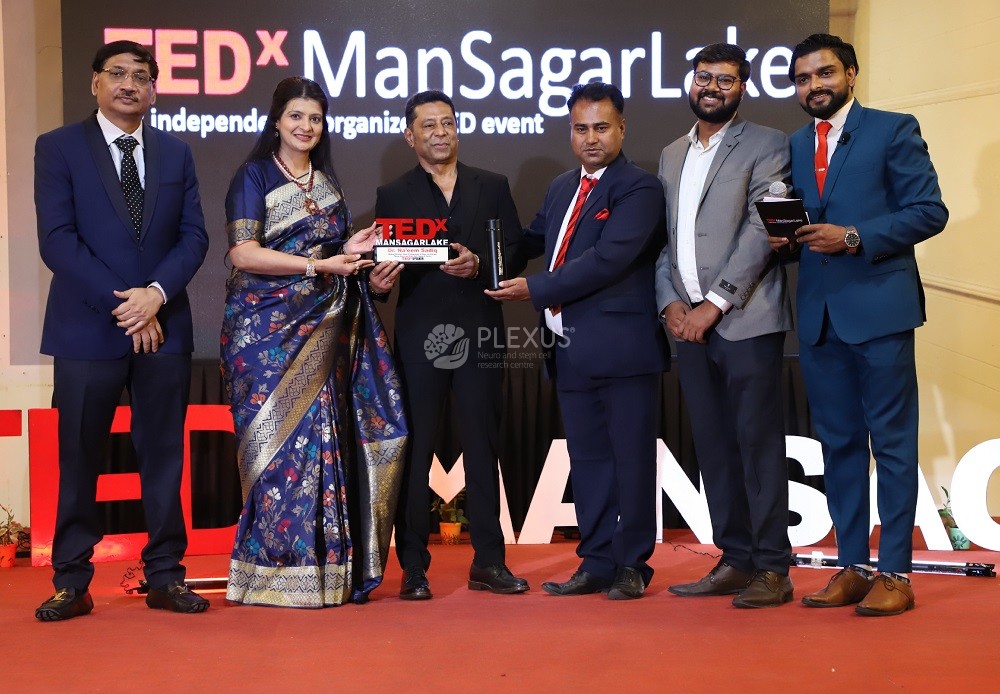
Dr. Na’eem Sadiq
Medical Director of Plexus
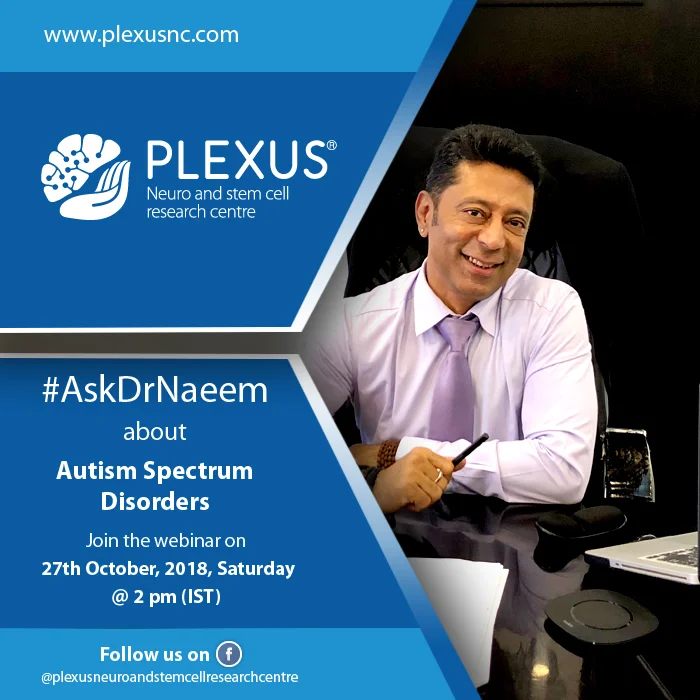
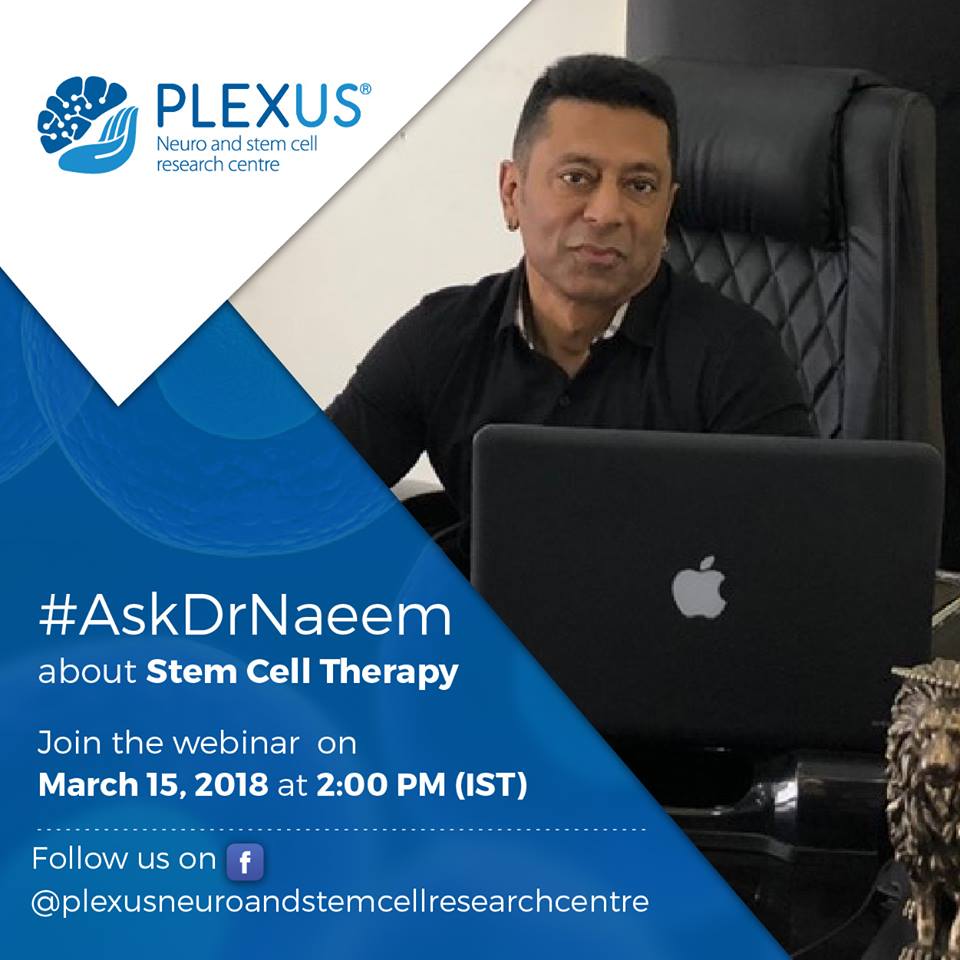
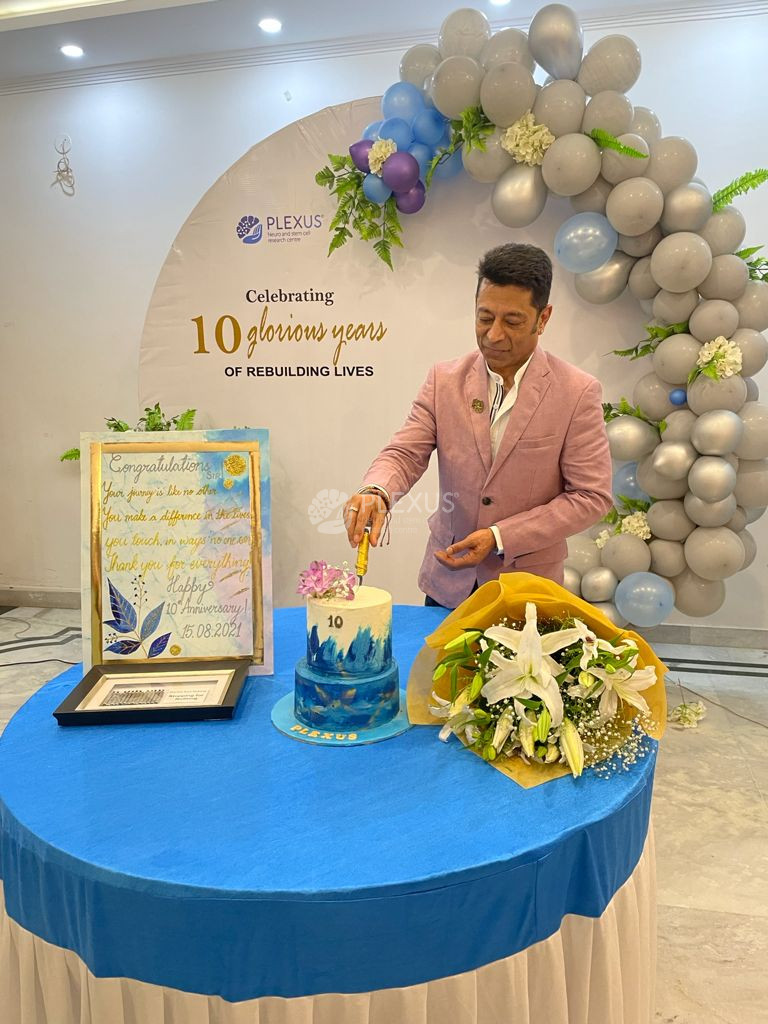
Dr. Na’eem Sadiq is a globally recognized neurologist and neuropsychiatrist, renowned for his contributions to the treatment of complex neurological disorders. He founded Plexus in 2011 to enhance the quality of life for patients living with neurological conditions.
With over 35 years of clinical experience, Dr. Sadiq is considered a leading expert in the field. His acclaimed research spans Demyelinating Polyneuropathy, Multiple Sclerosis, Epilepsy, and Migraine—placing him at the forefront of neurological care worldwide.