
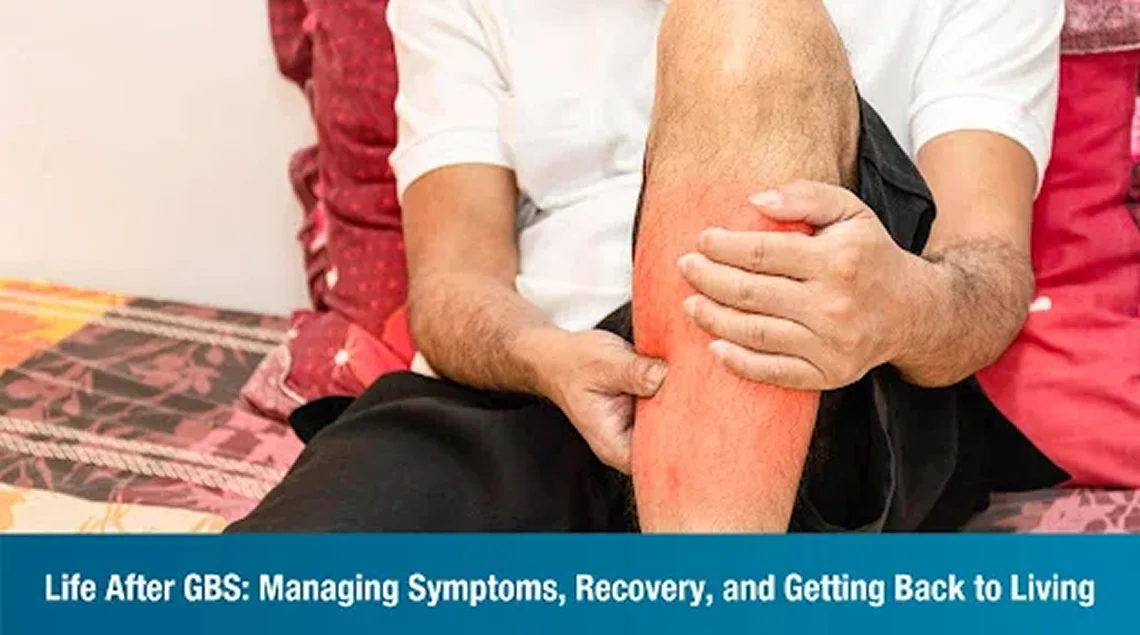
Recovery from Guillain-Barré Syndrome (GBS) can continue after leaving the hospital. Some people experience ongoing problems such as fatigue, pain, weakness, mobility difficulties, or changes in sensation after the acute stage. Structured rehabilitation, symptom management, and appropriate lifestyle adjustments can support quality of life and help a person manage these changes.
What Happens After GBS?
GBS affects the peripheral nerves and can cause weakness, loss of sensation, difficulty with coordination, and, in some instances, paralysis. Recovery varies from person to person. Some people continue to experience sensory symptoms, such as tingling, burning sensations, or changes in how they perceive touch or temperature, even after their muscle strength begins to improve.
These changes can make ordinary tasks more difficult. Rehabilitation and appropriate support can help people manage ongoing symptoms and work towards their individual functional goals.
Symptoms after GBS can differ from person to person. Some people experience significant fatigue that makes simple activities exhausting. Others may have neuropathic pain, which can feel like burning or tingling in the arms and legs, or changes in sensation in the hands and feet. Muscle weakness and balance problems can also continue and affect mobility and independence. Recognising these difficulties is an important first step in finding appropriate support.
Rehabilitation After GBS
A structured rehabilitation programme can help address changes in strength, movement, mobility, and everyday function after GBS. Physiotherapy may include exercises suited to a person’s abilities, while occupational therapy can focus on making everyday activities easier and safer. Some people may also need speech and swallowing therapy if they experience difficulties in these areas.
The therapist may use movement and flexibility exercises, as well as gait training, to address specific functional difficulties. The rehabilitation process can take time, and progress varies from person to person.
Managing Sensory Loss and Abnormal Sensations
For some people recovering from GBS, sensory problems such as numbness, tingling, a burning feeling, or increased sensitivity can continue for a long time, even when muscle strength begins to improve. These symptoms can affect balance, coordination, comfort, and sleep. Depending on the person’s needs, rehabilitation may include sensory retraining, balance exercises, and other approaches to help manage these changes.
If appropriate, the therapist may incorporate rehabilitation approaches such as graded sensory activities or exposure to different textures. This depends on the person’s symptoms and tolerance. Changes in sensation can affect comfort and everyday activities and may be frustrating for some people. Discussing these symptoms with a healthcare professional can help identify appropriate ways to manage them.
Managing Pain and Fatigue
Pain and fatigue may persist for some individuals after GBS. Neuropathic pain can persist for some people during recovery and may require ongoing management. Depending on the person’s symptoms, management may include medication, physiotherapy, activity modification, or other approaches recommended by the healthcare team.
Fatigue can also increase the difficulties of performing day-to-day activities. Performing tasks with a proper pace, getting enough rest, and following a regular sleep schedule can help conserve energy. One should consult their healthcare provider about any fatigue or changes in activity levels, particularly when symptoms worsen or persist.
Having a balanced meal will not only benefit one’s health but will also provide the energy required to carry out activities throughout the day. Individuals experiencing problems with their nutrition or swallowing should seek advice from the appropriate healthcare professional.
Mental and Emotional Well-being
Recovery from GBS can also affect emotional well-being. Changes in physical ability, independence, career, and daily activities may cause some individuals to feel angry, anxious, or depressed. These feelings may require appropriate support and attention.
Counselling or other forms of psychological support may help people adjust to changes after GBS. Support groups can also provide an opportunity to connect with others who have experienced similar challenges. Mindfulness, relaxation exercises, or meditation may help some people as part of a broader approach to managing stress.
Lifestyle Adjustments for Long-Term Recovery
Life after GBS may involve making small changes to everyday routines. Light physical activity, such as gentle stretching or other activities recommended by a healthcare professional, can help a person stay active without placing excessive demands on the body. The appropriate level of activity depends on the person’s symptoms, strength, and stage of recovery.
Simple changes around the home can also make everyday tasks easier. Rearranging furniture to create clearer walking paths or using ergonomically designed tools may help reduce unnecessary effort.
A balanced, nutrient-rich diet can support general health and energy levels. Drinking enough fluids and including a variety of foods can help meet the body’s nutritional needs. Regular medical follow-up can also help monitor ongoing symptoms and determine when adjustments to care may be appropriate.
Moving Forward with the Right Support
Recovery after GBS can take time, and the course is different for everyone. Rehabilitation and symptom management can help people address ongoing difficulties and work towards their individual functional goals. Having appropriate support can also make it easier to adapt to changes in mobility, strength, sensation, or everyday activities.
At Plexus Neuro and Cell Therapy Centre, rehabilitation programmes for people living with GBS can be tailored to individual functional needs. Depending on the person’s assessment, rehabilitation may include physiotherapy and occupational therapy to address mobility, movement, strength, and everyday activities. Individual outcomes vary.
If you or someone close to you is experiencing ongoing difficulties after GBS, speaking with a qualified healthcare professional can help you understand the available support options.
WhatsApp: +91 89048 42087
Call: +91 78159 64668 (Hyderabad) | +91 93555 33404 (Bangalore)
FAQ’s
How long is the recovery period for Guillain-Barré Syndrome?
Recovery from GBS varies considerably. Some people improve over several months, while others continue to experience symptoms or functional difficulties for longer. A healthcare professional can monitor changes over time and adjust rehabilitation according to individual needs.
How can I improve strength after GBS?
A rehabilitation programme may include physiotherapy, graded physical activity, and exercises tailored to your current abilities. The appropriate level of activity depends on your symptoms and stage of recovery, so it is important to discuss your exercise plan with your healthcare team.
How can rehabilitation clinics assist after GBS?
Rehabilitation services can help address difficulties with strength, mobility, balance, everyday activities, and sensory function. At Plexus, rehabilitation programmes can be planned around an individual’s symptoms and functional needs. Individual outcomes vary.
Is long-term care provided by specialised centres for GBS?
Yes. Some people may benefit from continued rehabilitation after the acute stage of GBS, particularly when weakness, mobility difficulties, fatigue, sensory changes, or problems with everyday activities continue. Physiotherapy and occupational therapy can provide support based on a person’s ongoing needs.