
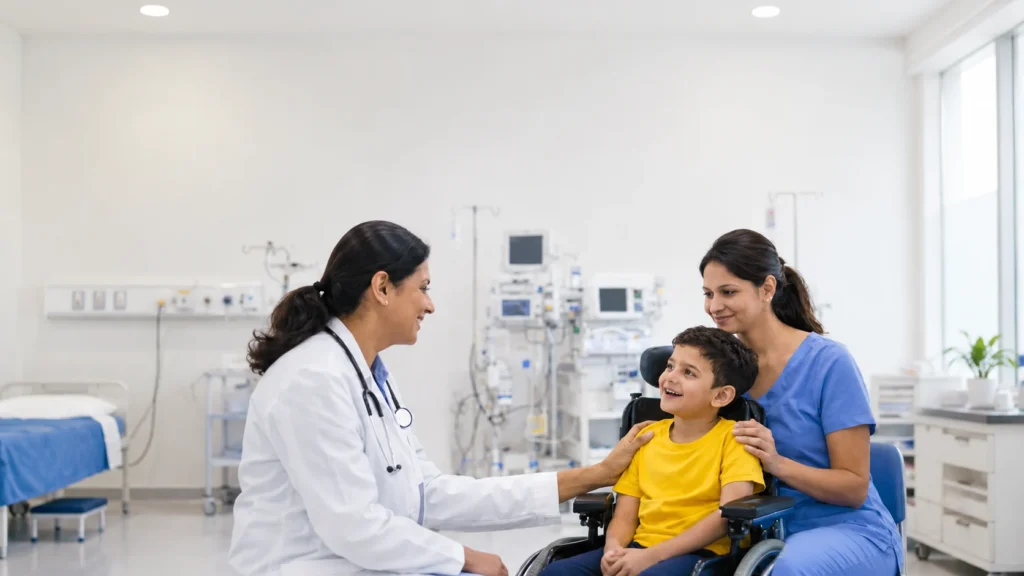
Cerebral Palsy Hospital in Bangalore
Plexus is a trusted Cerebral Palsy hospital in Bangalore providing comprehensive evaluation, diagnosis, and advanced cerebral palsy treatment for children and adults. With an experienced team of cerebral palsy specialists, multidisciplinary therapies, individualized care plans are designed to improve mobility, communication, and quality of life.
Ready to Begin?
Our centres in Bengaluru (HRBR Layout) and Hyderabad are open Monday to Saturday, 8:30 AM to 6:30 PM.
Cerebral Palsy Definition
Cerebral Palsy is a neurological condition that affects movement, muscle tone, posture, and coordination due to damage to the developing brain, usually before, during, or shortly after birth. The cerebral palsy definition describes it as a non-progressive disorder, meaning the brain injury does not worsen over time, although symptoms may change as a child grows. Many individuals search for what is cerebral palsy or define cerebral palsy to better understand its impact on physical and motor development. While cerebral palsy affects muscle control and movement, early diagnosis and appropriate cerebral palsy treatment can significantly improve functional abilities and quality of life.
Types of Cerebral Palsy
| Type of Cerebral Palsy | Key Characteristics | Common Symptoms | Areas Affected | Functional Impact |
| Spastic Cerebral Palsy | Most common type; increased muscle tone (spasticity) | Muscle stiffness, tight muscles, exaggerated reflexes | Legs, arms, or entire body | Difficulty walking, limited joint movement, abnormal posture |
| Spastic Diplegic Cerebral Palsy (Spastic Diplegia Cerebral Palsy) | Spasticity mainly in lower limbs | Scissoring gait, tight hip and leg muscles | Primarily legs | Walking challenges; may require assistive devices |
| Hemiplegic Cerebral Palsy | Spasticity on one side of the body | One-sided weakness, delayed use of one hand | One arm and one leg | Difficulty with fine motor skills and balance |
| Quadriplegic Cerebral Palsy | Severe spasticity affecting all four limbs | Stiffness, feeding and speech difficulties | Arms, legs, trunk, face | Significant mobility limitation; may require full-time support |
| Dyskinetic Cerebral Palsy | Involuntary, uncontrolled movements | Twisting motions, fluctuating muscle tone | Face, arms, legs | Difficulty with speech, swallowing, and coordinated movement |
| Athetoid Cerebral Palsy | Slow, writhing movements (subset of dyskinetic type) | Uncontrolled hand and facial movements | Hands, feet, face | Fine motor control difficulties |
| Dystonic Cerebral Palsy | Sustained muscle contractions | Abnormal postures, twisting movements | Trunk and limbs | Impaired voluntary movement control |
| Ataxic Cerebral Palsy | Coordination and balance impairment | Tremors, unsteady gait, poor depth perception | Legs and hands | Difficulty with precise movements and balance tasks |
| Mixed Cerebral Palsy | Combination of two or more types | Features of spastic and dyskinetic most common | Multiple body regions | Variable functional limitations depending on dominant type |
Cerebral Palsy Causes
Understanding Cerebral Palsy causes is essential for early prevention, timely cerebral palsy diagnosis, and appropriate cerebral palsy treatment. The causes of cerebral palsy are usually linked to injury or abnormal development of the brain before, during, or shortly after birth. Below are the major factors that contribute to the development of cerebral palsy.
- Brain Damage Before Birth (Prenatal Causes)
One of the most common causes of cerebral palsy occurs during pregnancy when the developing brain does not form properly or gets damaged. Infections during pregnancy, exposure to toxins, or restricted blood flow to the fetal brain may interfere with normal development. When brain injury happens before birth, it can affect areas responsible for movement and coordination, leading to various types of cerebral palsy, including spastic cerebral palsy and dyskinetic cerebral palsy. In many cases, this prenatal injury becomes the primary cerebral palsy cause.
- Lack of Oxygen During Birth (Birth Asphyxia)
Oxygen deprivation during labor or delivery is another recognized cerebral palsy cause. If the baby’s brain does not receive enough oxygen for a significant period, brain cells may be damaged. This type of injury can result in severe forms such as quadriplegic cerebral palsy or spastic diplegic cerebral palsy. Birth complications remain one of the major factors when parents ask, what causes cerebral palsy in newborns.
- Premature Birth and Low Birth Weight
Premature babies are at a higher risk of developing cerebral palsy because their brains are not fully developed. Fragile blood vessels in the brain may rupture, causing bleeding or white matter damage. Such injury can interfere with motor control and lead to conditions like hemiplegic cerebral palsy or other forms identified through proper classification of cerebral palsy. Prematurity is therefore considered a significant contributor among cerebral palsy causes.
- Infections in Early Infancy
Severe infections such as meningitis or encephalitis during infancy can damage the developing brain. When inflammation affects areas that control movement and posture, long-term motor impairment may occur. These postnatal infections represent another important cause of cerebral palsy, especially when symptoms appear after a period of normal development. Early detection supports effective management of cerebral palsy.
- Head Injury in Early Childhood
Traumatic brain injury due to accidents or falls during early childhood may also lead to cerebral palsy. When trauma affects motor-control centers in the brain, it can result in lasting movement disorders. This acquired brain injury is less common but still recognized among documented cerebral palsy causes.
- Genetic and Developmental Brain Abnormalities
In some cases, abnormal brain development without a clear injury may be responsible. Structural malformations in the brain can interfere with communication between nerve cells, resulting in impaired muscle coordination. Although less frequently discussed, these developmental factors can be an underlying cerebral palsy cause, especially when no birth-related complications are identified.
Cerebral Palsy Symptoms
Cerebral Palsy symptoms vary depending on the severity of brain injury and the specific types of cerebral palsy involved. The symptoms of cerebral palsy may appear in infancy or early childhood and can range from mild coordination difficulties to significant movement impairment. Recognizing cerebral palsy signs and symptoms early allows timely cerebral palsy diagnosis and appropriate cerebral palsy treatment.
- Delayed Developmental Milestones
One of the earliest cerebral palsy symptoms is delayed achievement of developmental milestones. A cerebral palsy baby may take longer to roll over, sit, crawl, or walk compared to other children of the same age. These delays are often among the early signs of cerebral palsy in newborn and infants. Monitoring developmental progress plays a critical role in early diagnosis of cerebral palsy, especially in cases of cerebral palsy in babies.
- Abnormal Muscle Tone
Abnormal muscle tone is a defining feature in many cerebral palsy patients. Muscles may appear stiff and tight in spastic cerebral palsy, or unusually loose in other forms. Increased muscle tone can limit joint movement and cause difficulty in posture control. In conditions like spastic diplegic cerebral palsy or quadriplegic cerebral palsy, muscle stiffness significantly affects mobility and daily functioning.
- Involuntary Movements
In dyskinetic cerebral palsy, athetoid cerebral palsy, or dystonic cerebral palsy, involuntary movements are common. These may include twisting, writhing, or repetitive motions that interfere with voluntary control. Such uncontrolled movements can impact speech, swallowing, and fine motor tasks. These cerebral palsy signs and symptoms are typically more noticeable during intentional activity or emotional stress.
- Poor Coordination and Balance
Balance and coordination difficulties are hallmark symptoms of cerebral palsy, particularly in ataxic cerebral palsy. A child may have an unsteady gait, tremors, or difficulty performing precise movements like picking up small objects. These coordination challenges affect independence and often require targeted cerebral palsy therapies for improvement.
- Difficulty Walking
Walking difficulties are among the most visible cerebral palsy symptoms. In hemiplegic cerebral palsy, one side of the body may appear weaker, causing an uneven walking pattern. In spastic diplegia cerebral palsy, leg stiffness may result in a scissoring gait. Some children may require braces or assistive devices as part of comprehensive management of cerebral palsy.
- Speech and Swallowing Problems
Speech delays and swallowing difficulties are common in moderate to severe cases. Muscle control issues affecting the face, tongue, and throat can impair communication. These challenges are frequently observed in quadriplegic cerebral palsy and mixed cerebral palsy. Early intervention through speech therapy is an important component of cerebral palsy treatment.
- Seizures and Associated Conditions
Some individuals with cerebral palsy may experience seizures due to underlying brain injury. Additional associated issues can include learning disabilities, vision problems, or hearing impairments. While not present in every cerebral palsy child, these associated conditions require multidisciplinary care and long-term cerebral palsy management.
Cerebral Palsy Diagnosis
Early and accurate Cerebral Palsy diagnosis plays a crucial role in improving long-term functional outcomes. The diagnosis of cerebral palsy is primarily clinical, supported by developmental assessments and imaging studies. Identifying cerebral palsy symptoms at an early stage allows timely initiation of cerebral palsy treatment and structured management of cerebral palsy.
- Developmental Monitoring and Medical History
The first step in cerebral palsy diagnosis involves careful monitoring of developmental milestones. Delays in sitting, crawling, standing, or walking may raise suspicion, particularly when accompanied by abnormal muscle tone. A detailed medical history is reviewed to identify potential cerebral palsy causes, such as premature birth, oxygen deprivation, infections, or early brain injury. Recognizing early signs of cerebral palsy in newborn infants and tracking cerebral palsy symptoms in babies helps detect the condition during infancy.
- Physical and Neurological Examination
A comprehensive neurological examination is essential in the diagnosis of cerebral palsy. Muscle tone, reflexes, posture, coordination, and motor control are carefully assessed. Increased stiffness may indicate spastic cerebral palsy, while involuntary movements may suggest dyskinetic cerebral palsy or athetoid cerebral palsy. Poor balance and tremors are often associated with ataxic cerebral palsy. Clinical findings also assist in the proper classification of cerebral palsy, including identifying conditions such as hemiplegic cerebral palsy, spastic diplegic cerebral palsy, or quadriplegic cerebral palsy.
- Brain Imaging Studies
Neuroimaging techniques such as MRI are commonly used to support cerebral palsy diagnosis. Brain scans help detect structural abnormalities, areas of injury, or developmental malformations that may explain the cause of cerebral palsy. Imaging findings are particularly useful in understanding the severity and distribution of brain damage, which may influence the specific types of cerebral palsy diagnosed.
- Developmental and Functional Assessments
Standardized developmental tests evaluate cognitive skills, speech, motor coordination, and adaptive functioning. These assessments determine the overall impact of the condition on a cerebral palsy child and guide personalized cerebral palsy therapies. Functional evaluations also help determine the need for cerebral palsy medication, assistive devices, or long-term rehabilitation planning.
- Ongoing Evaluation and Monitoring
Since cerebral palsy is a lifelong condition, periodic reassessment is essential. As a cerebral palsy patient grows, symptoms and functional abilities may change. Continuous monitoring ensures that the chosen treatment for cerebral palsy remains appropriate and effective. Early and structured management of cerebral palsy improves independence and quality of life for both children and cerebral palsy adults.
Treatment for Cerebral Palsy at Plexus
Comprehensive Cerebral Palsy treatment at Plexus focuses on improving mobility, communication, coordination, and independence. A multidisciplinary approach is essential for effective management of cerebral palsy, especially since cerebral palsy symptoms vary depending on the severity and types of cerebral palsy. The treatment of cerebral palsy combines structured rehabilitation programs with advanced medical support tailored to each cerebral palsy patient.
Aquatic Therapy plays a significant role in reducing muscle stiffness and improving joint flexibility, particularly in spastic cerebral palsy and spastic diplegic cerebral palsy. The buoyancy of water reduces stress on joints, allowing easier movement and better muscle control. Warm water also helps relax tight muscles, which supports balance training and coordination improvement. This therapy is especially beneficial for children experiencing walking difficulties and poor posture.
Physiotherapy is a core component of cerebral palsy therapies. It focuses on strengthening muscles, improving posture, enhancing mobility, and preventing contractures. In conditions such as hemiplegic cerebral palsy and quadriplegic cerebral palsy, physiotherapy helps improve limb function and overall motor performance. Structured exercises support better gait patterns, muscle endurance, and functional independence as part of long-term cerebral palsy management.
Cerebral palsy occupational therapy helps individuals develop skills needed for daily activities such as dressing, eating, writing, and personal care. This therapy enhances fine motor coordination and hand-eye coordination, which may be affected in ataxic cerebral palsy or dyskinetic cerebral palsy. Adaptive techniques and assistive devices are introduced when necessary to promote independence in both cerebral palsy in children and cerebral palsy adults.
Cognitive Rehabilitation addresses learning challenges, memory difficulties, attention deficits, and problem-solving skills that may accompany certain symptoms of cerebral palsy. Structured cognitive training supports academic development in a cerebral palsy child and improves functional independence. This therapy plays an important role in holistic treatment for cerebral palsy, particularly when developmental delays are present.
Speech Therapy focuses on improving communication skills and addressing speech delays. Muscle control issues affecting the tongue, lips, and throat are common in moderate to severe cases, especially in mixed cerebral palsy or quadriplegic cerebral palsy. Therapy enhances articulation, voice clarity, and expressive language abilities, contributing significantly to improved social interaction and confidence.
Swallowing Therapy is essential when feeding difficulties are present, particularly in severe forms of Cerebral Palsy symptoms. Impaired muscle coordination can lead to choking risks or nutritional challenges. Targeted exercises improve swallowing safety and oral motor function, supporting better nutrition and overall health as part of comprehensive management of cerebral palsy.
Why Choose Plexus in India
Selecting the right centre can make a world of a difference to recovery outcomes. Here’s why Plexus stands out:
- Expertise: Since 2011, Plexus has specialised in neurological and regenerative rehabilitation, treating hundreds of thousands of patients and building a strong reputation in complex nerve‑injury care. Plexus specialists are experienced in both neurology and neuro‑surgery, offering the full spectrum of care under one roof.
- Facilities & Multidisciplinary Team: Plexus is India’s first ISO‑certified regenerative rehabilitation & research centre, equipped with state‑of‑the‑art diagnostic imaging, surgical theatres and dedicated rehabilitation suites. Plexus interdisciplinary team includes neurologists, neurosurgeons, physiotherapists, occupational therapists, pain specialists and regenerative medicine experts all collaborating to deliver integrated care.
- Patient Journey & Access: From first consultation to discharge and long‑term follow‑up, Plexus guides patients through every stage of recovery. Plexus supports both Indian and international patients, offering cost‑effective care without compromising quality. Comfortable outpatient programs, therapy and treatment planning, and accessible communication with Plexus doctors are part of Plexus commitment.
Ready to Begin?
Our centres in Bengaluru (HRBR Layout) and Hyderabad are open Monday to Saturday, 8:30 AM to 6:30 PM.
Other Disorders Treated at Plexus
At Plexus,expertise extends to offer comprehensive care for a variety of neurological and related conditions. Plexus provide specialized treatments for disorders such as, Brachial Plexus Injury , Spinocerebellar Ataxia, Sensory Processing Disorder (SPD), Cerebral Palsy, Multiple Sclerosis,Parkinson’s disease, Spinal Cord Injury, Motor Neuron Disease, Stroke, Autoimmune Conditions, Orthopedic Conditions, and Sports Injuries. Plexus multidisciplinary approach, incorporating therapies like Cell Therapy, Physiotherapy, Occupational Therapy, Aquatic Therapy, and Speech Therapy, ensures personalized care tailored to each condition, helping patients achieve improved mobility, function, and quality of life.
FAQs
What is cerebral palsy?
Cerebral palsy is a neurological condition that affects movement, posture, and muscle coordination due to early brain injury. The cerebral palsy definition describes it as a non-progressive disorder, meaning the brain damage does not worsen over time, although cerebral palsy symptoms may change with age.
What are the common cerebral palsy symptoms?
Common symptoms of cerebral palsy include muscle stiffness, poor balance, delayed developmental milestones, involuntary movements, and speech difficulties. Cerebral palsy symptoms in babies may include abnormal muscle tone or delayed sitting and crawling. Recognizing cerebral palsy signs and symptoms early helps in timely intervention.
What are the types of cerebral palsy?
The main types of cerebral palsy include spastic cerebral palsy, dyskinetic cerebral palsy, ataxic cerebral palsy, and mixed cerebral palsy. Specific forms such as hemiplegic cerebral palsy, spastic diplegic cerebral palsy, and quadriplegic cerebral palsy are identified through proper classification of cerebral palsy.
How is cerebral palsy diagnosis confirmed?
Cerebral palsy diagnosis is based on developmental monitoring, neurological examination, and brain imaging studies such as MRI. Early diagnosis of cerebral palsy allows structured planning of cerebral palsy treatment and rehabilitation programs.
What treatment options are available at a cerebral palsy hospital in Bangalore?
A specialized cerebral palsy hospital in Bangalore offers multidisciplinary cerebral palsy therapies, including physiotherapy, cerebral palsy occupational therapy, speech therapy, cognitive rehabilitation, and swallowing therapy. Advanced treatment protocols may also include regenerative cell-based approaches as part of comprehensive management of cerebral palsy.
About the Author
Dr. Na’eem Sadiq
Medical Director of Plexus
Dr. Na’eem Sadiq is a globally recognized neurologist and neuropsychiatrist, renowned for his contributions to the treatment of complex neurological disorders. He founded Plexus in 2011 with a mission to enhance the quality of life for patients living with neurological conditions.
With over 35 years of clinical experience, Dr. Sadiq is considered a leading expert in the field. His internationally acclaimed research spans key topics such as Demyelinating Polyneuropathy, Multiple Sclerosis, Epilepsy, and Migraine, positioning him at the forefront of neurological care worldwide.