
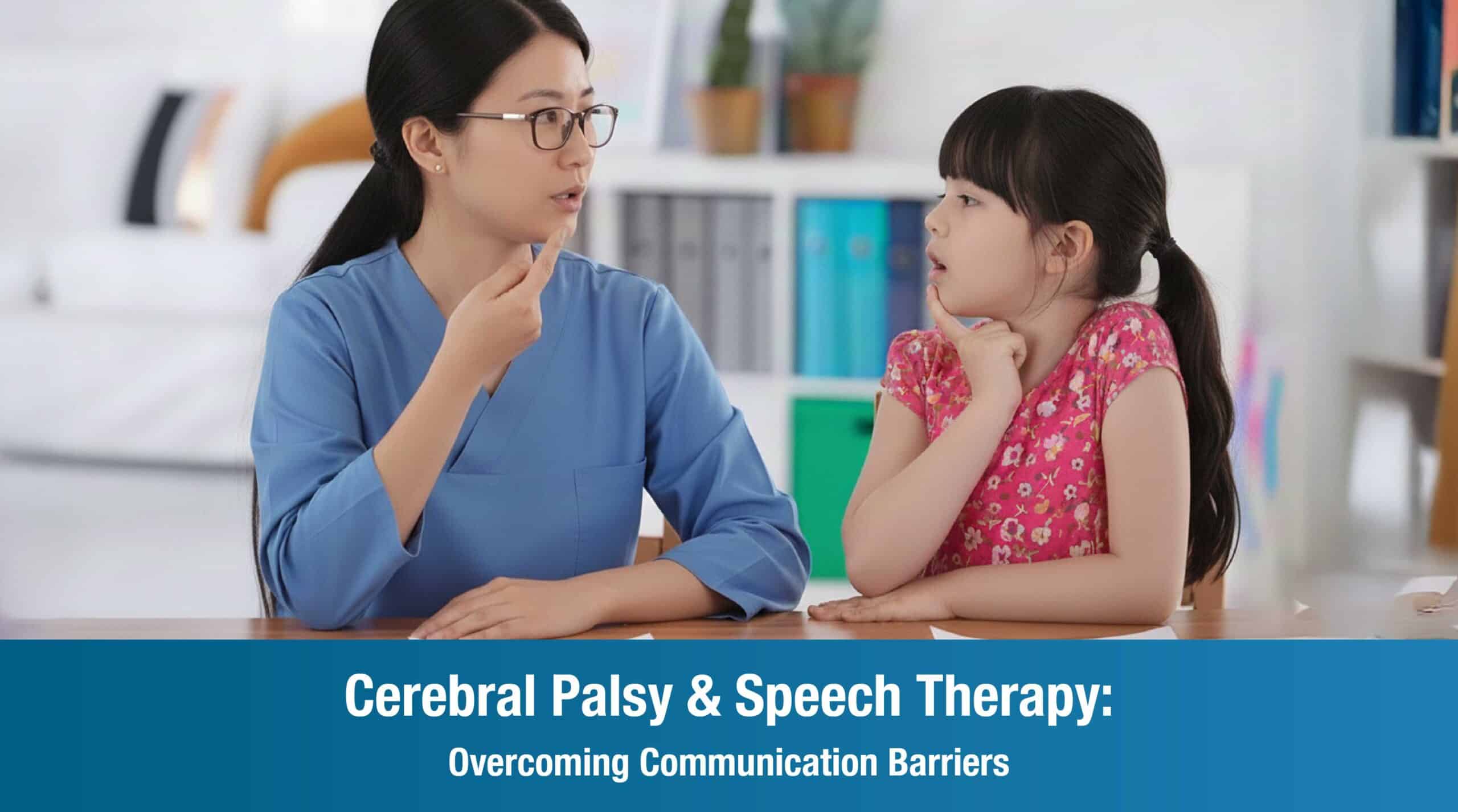
Cerebral Palsy is a lifelong neurological condition that affects movement, posture, and muscle coordination. For many children, it also impacts speech, language understanding, and effective communication. These challenges can influence learning, social interaction, and independence.
At Plexus, Speech Therapy plays a vital role in helping children with Cerebral Palsy overcome communication challenges and lead more independent, confident lives.
This blog explores ‘what Cerebral Palsy is’, how it affects speech, and how targeted therapy can make a meaningful difference.
What Is Cerebral Palsy?
Cerebral Palsy is a group of neurological disorders caused by damage to the developing brain, usually before or during birth, or in early infancy. This damage affects muscle tone, movement, and coordination.
Cerebral Palsy Causes
Common causes of cerebral palsy include:
- Lack of oxygen to the brain during birth
- Premature birth
- Brain infections or injuries
- Genetic factors affecting brain development
Types of Cerebral Palsy
Understanding the type of Cerebral Palsy is essential for planning effective therapy:
- Spastic Cerebral Palsy – Stiff muscles and restricted movement (most common)
- Dyskinetic Cerebral Palsy – Involuntary movements
- Ataxic Cerebral Palsy – Balance and coordination difficulties
- Mixed Cerebral Palsy – A combination of symptoms
Cerebral Palsy Symptoms and Early Signs
Cerebral palsy symptoms vary widely depending on severity and type of CP.
Cerebral Palsy Symptoms in Babies
- Delayed milestones (sitting, crawling)
- Poor head control
- Stiff or floppy muscles
- Feeding and swallowing difficulties
Cerebral Palsy Signs and Symptoms in Children
- Slurred or unclear speech
- Difficulty controlling the lips, tongue, and jaw
- Drooling
- Trouble chewing or swallowing
Early Cerebral Palsy diagnosis allows timely intervention and significantly improves long-term outcomes.
Why Speech and Language Challenges Occur in Cerebral Palsy
Speech difficulties arise because Cerebral Palsy disease affects the muscles needed for communication.
How CP Affects Muscles Used for Speech
- Weak or tight facial muscles
- Poor breath control
- Limited tongue and lip coordination
- Reduced vocal control
Common Communication Disorders in Cerebral Palsy
- Dysarthria – Weak or slurred speech
- Apraxia of speech – Difficulty planning speech movements
- Voice issues – Low volume, hoarseness, or monotone speech
Role of a Speech-Language Pathologist (SLP) in CP Care
Certified Cerebral Palsy specialists, such as Speech-Language Pathologists, assess and treat communication challenges using personalized therapy plans.
An SLP focuses on improving:
- Speech clarity and intelligibility
- Language comprehension and expression
- Feeding and swallowing safety
- Alternative communication strategies
What Speech Therapy Aims to Improve
Speech Therapy for Cerebral Palsy treatment targets:
- Clear articulation of sounds
- Breath support for speech
- Voice strength and control
- Functional communication in daily life
Key Speech Therapy Techniques and Approaches for CP
Oral-Motor and Speech Techniques
- Oral-motor exercises for lips, tongue, and jaw
- Breath control and voice modulation
- Articulation and sound production training
Alternative and Augmentative Communication (AAC)
When verbal speech is limited, AAC tools support effective communication, including:
- Sign language
- Communication boards
- Picture Exchange Communication Systems (PECS)
- Speech-generating devices
These tools enable children to express needs, emotions, and ideas, supporting participation and independence.
How Speech Therapy Supports Overall Development
Speech Therapy benefits extend far beyond speech alone. Improved communication supports:
- Social interaction and confidence
- Academic participation
- Emotional expression
- Independence in daily activities
Children with Cerebral Palsy benefit from better inclusion at school and home when communication improves.
Best Therapies for Cerebral Palsy at Plexus
Plexus offers a multidisciplinary approach to Cerebral Palsy treatment over and above Speech and Language therapy:
Other Disorders and Treatments Offered at Plexus
Therapies
- Aquatic Therapy
- Sensory Integration Therapy
- Behavior Therapy
- Hand Rehabilitation
- Custom Splinting and Orthotics
- Early Intervention Program
- Obesity and Lifestyle Management
Disorders Treated
- Brachial Plexus Injury
- Spinocerebellar Ataxia
- Sensory Processing Disorder (SPD)
- Cerebral Palsy
- Multiple Sclerosis
- Spinal Cord Injury
- Parkinson’s Disease
- Motor Neuron Disease
- Stroke
- Autoimmune Conditions
- Orthopedic Conditions
- Sports Injuries
Why Plexus Is the Best Choice for Cerebral Palsy Treatment in India
- Experienced Cerebral Palsy specialists
- Integrated, goal-oriented therapy programs
- Child-centric and family-focused care
- Advanced therapy techniques and infrastructure
- Proven success in managing complex neurological conditions
Speech Therapy empowers children with Cerebral Palsy to overcome communication barriers, express themselves confidently, and engage meaningfully with the world.
At Plexus, we believe every child deserves a voice and with the right therapy, that voice can be heard.
Reach Out to Us
WhatsApp: +91 89048 42087 | Call: +91 93555 33404 (Bangalore)
FAQs
What kinds of speech problems are common in children with Cerebral Palsy?
Children with cerebral palsy may experience slurred speech, difficulty controlling lip and tongue movements, unclear pronunciation, weak voice, or challenges with speech planning such as dysarthria and apraxia.
How can Speech Therapy improve speech clarity and articulation for CP children?
Speech Therapy strengthens oral muscles, improves breath control, and trains correct sound production, helping children speak more clearly and be better understood.
How soon after diagnosis should a child start Speech Therapy?
Speech Therapy should begin as early as possible after diagnosis, as early intervention supports better communication and developmental outcomes.
Do all children with CP need Speech Therapy?
Not all children with Cerebral Palsy need speech therapy, but many benefit from an evaluation to assess speech, language, or swallowing challenges.
Can Speech Therapy improve social development and self-confidence in CP children?
Yes, improved communication helps children express themselves, build relationships, participate socially, and gain confidence in everyday interactions.
About the Author
Dr. Na’eem Sadiq
Medical Director of Plexus
Dr. Na’eem Sadiq is a globally recognized neurologist and neuropsychiatrist, renowned for his contributions to the treatment of complex neurological disorders. He founded Plexus in 2011 with a mission to enhance the quality of life for patients living with neurological conditions.
With over 35 years of clinical experience, Dr. Sadiq is considered a leading expert in the field. His internationally acclaimed research spans key topics such as Demyelinating Polyneuropathy, Multiple Sclerosis, Epilepsy, and Migraine, positioning him at the forefront of neurological care worldwide.