
What Is Myasthenia Gravis? Understanding the Autoimmune MechanismMyasthenia Gravis is an autoimmune condition where the body’s immune system mistakenly attacks the communication between nerves and muscles. Normally, nerve endings release a neurotransmitter called acetylcholine, which binds to receptors on muscle cells and triggers muscle contraction. In MG, antibodies target these receptors or associated proteins, blocking or destroying them. As a result, muscle strength becomes inconsistent, leading to weakness that worsens with activity but improves with rest.
Common symptoms include:
- Drooping eyelids (ptosis)
- Double vision (diplopia)
- Difficulty chewing or swallowing
- Speech changes
- Shortness of breath or respiratory weakness
- Limb fatigue and decreased endurance
The severity of symptoms varies from patient to patient. Some experience localized ocular weakness, while others develop generalized MG affecting the limbs, respiratory muscles, and facial muscles.
Because it is an autoimmune disorder, treatment requires immunomodulation or suppression. However, long-term medication can cause side effects such as weight gain, hypertension, liver strain, and susceptibility to infections. This is where regenerative cell therapy brings an innovative and holistic solution.
Cell Therapy in MG: What It Aims to Do and How
Cell Therapy in MG is generally described as working through several connected effects that may support stability over time in some individuals. These potential effects include:
Immune modulation (addressing the autoimmune drive): The therapy is intended to help calm an overactive immune response that contributes to the production of antibodies affecting the neuromuscular junction. By supporting a more balanced immune state, it may reduce inflammatory activity linked to symptom flare-ups, though responses vary between individuals.
Anti-inflammatory support (reducing local irritation): Persistent inflammation can worsen fatigability and interfere with consistent muscle function. Cell-based approaches are often described as helping reduce inflammatory signals so the neuromuscular junction environment becomes more favorable for recovery and day-to-day stability.
Neuromuscular support and repair (supporting communication): MG weakens the reliability of nerve-to-muscle signaling. Cell Therapy is proposed to support tissue health around the neuromuscular junction and help improve the efficiency of signal transmission, which may translate into better endurance for tasks like speaking, chewing, or using the limbs in some patients.
Energy and endurance support (fatigue-focused goals): Many individuals with MG struggle with rapid tiring during routine activities. Some protocols describe broader “cellular support” that may help reduce exhaustion and improve activity tolerance over time, especially when paired with a structured rehabilitation plan and pacing strategies.
Reducing medication burden (only when medically supervised): Because long-term immunosuppressive therapy can have side effects, one hoped-for benefit is improved symptom stability that might allow dose reductions in selected cases. Any medication adjustment must be gradual and strictly supervised by treating specialists, since undertreatment can increase the risk of worsening weakness or crisis.
Benefits of Cell Therapy for Individuals With Myasthenia Gravis
Cell Therapy is emerging as a supportive regenerative approach for individuals living with Myasthenia Gravis (MG), a chronic autoimmune neuromuscular condition. While outcomes vary from person to person, many patients undergoing cell-based interventions report gradual improvements in muscle performance, symptom control, and overall daily functioning. The therapy focuses on immune modulation and neuromuscular support rather than temporary symptom suppression.
Reduction in Muscle Weakness and Fatigue
One of the most noticeable benefits reported by patients is a gradual improvement in muscle strength and endurance. Tasks that previously caused rapid exhaustion—such as holding objects, walking short distances, or maintaining posture—may become more manageable. Reduced muscle fatigability can help patients regain independence in daily activities and reduce reliance on constant rest periods.
Improved Neuromuscular Communication
Myasthenia Gravis disrupts the communication between nerves and muscles due to autoimmune damage at the neuromuscular junction. Cell Therapy may support healthier signaling by reducing immune-mediated interference. This can result in improved control of muscles responsible for eye movement, facial expressions, speech, and swallowing, helping alleviate symptoms such as ptosis, double vision, slurred speech, and chewing difficulty.
Modulation of Immune Response and Reduced Inflammation
Chronic inflammation is a key driver of disease progression in MG. Cell Therapy works by promoting immune balance and reducing abnormal immune attacks on acetylcholine receptors. By lowering inflammatory activity around neuromuscular junctions, the therapy may help slow symptom progression and improve long-term neuromuscular health.
Reduced Dependence on Long-Term Medications
Conventional MG management often requires prolonged use of steroids and immunosuppressive drugs, which can cause significant side effects over time. With improved immune regulation through Cell Therapy, some patients may be able to gradually reduce medication dosage—always under strict medical supervision—thereby minimizing risks such as weight gain, osteoporosis, infections, and metabolic complications.
Enhanced Functional Capacity and Quality of Life
Patients frequently report improvements in everyday functional abilities, including speaking for longer periods, eating without excessive fatigue, climbing stairs, lifting light objects, and performing self-care tasks. Enhanced facial muscle strength and reduced muscle strain contribute to better confidence, social interaction, and emotional well-being.
Improved Energy Levels and Endurance
Beyond muscle strength, many individuals experience better overall stamina. Improved endurance allows patients to participate more actively in work, therapy sessions, and social activities without experiencing rapid exhaustion, which is a common limitation in MG.
Potential for Long-Term Symptom Stability
Unlike treatments focused solely on temporary symptom relief, Cell Therapy aims to create sustainable improvements by addressing immune dysregulation at a cellular level. This approach may help stabilize symptoms over the long term and reduce the frequency of disease flare-ups.
Support for Rehabilitation Outcomes
When combined with Physiotherapy, Occupational Therapy, and Speech Therapy, Cell Therapy may enhance rehabilitation results. Improved muscle responsiveness and reduced fatigue allow patients to engage more effectively in therapy programs, accelerating functional recovery.
Why Choose Plexus in India
Selecting the right centre can make a world of a difference to recovery outcomes. Here’s why Plexus stands out:
- Expertise: Since 2011, Plexus has specialised in neurological and regenerative rehabilitation, treating hundreds of thousands of patients and building a strong reputation in complex nerve‑injury care. Plexus specialists are experienced in both neurology and neuro‑surgery, offering the full spectrum of care under one roof.
- Facilities & Multidisciplinary Team: Plexus are India’s first ISO‑certified regenerative rehabilitation & research centre, equipped with state‑of‑the‑art diagnostic imaging, surgical theatres and dedicated rehabilitation suites. Plexus interdisciplinary team includes neurologists, neurosurgeons, physiotherapists, occupational therapists, pain specialists and regenerative medicine experts all collaborating to deliver integrated care.
- Patient Journey & Access: From first consultation to discharge and long‑term follow‑up, Plexus guides patients through every stage of recovery. Plexus supports both Indian and international patients, offering cost‑effective care without compromising quality. Comfortable outpatient programs, therapy and treatment planning, and accessible communication with Plexus doctors are part of Plexus commitment.
Other Disorders Treated at Plexus
At Plexus, our expertise extends to offer comprehensive care for a variety of neurological and related conditions. Plexus provide specialized treatments for disorders such as, Brachial Plexus Injury , Spinocerebellar Ataxia, Sensory Processing Disorder (SPD), Cerebral Palsy, Multiple Sclerosis, Spinal Cord Injury, Motor Neuron Disease, Stroke, Autoimmune Conditions, Orthopedic Conditions, and Sports Injuries. Plexus multidisciplinary approach, incorporating therapies like Cell Therapy, Physiotherapy, Occupational Therapy, Aquatic Therapy, and Speech Therapy, ensures personalized care tailored to each condition, helping patients achieve improved mobility, function, and quality of life.
Patient Success Stories: The Transformative Impact of Dr. Na’eem Sadiq
Dr. Na’eem Sadiq’s expertise and compassionate care have changed the lives of countless patients at Plexus. Through a combination of personalized therapies and innovative treatments, Dr. Sadiq has helped individuals overcome significant challenges and regain independence. Below are five inspiring success stories that highlight his profound impact:
- Enhanced Mobility: A 60-year-old Parkinson’s patient, who struggled with walking due to tremors, regained improved balance and gait after six months of Aquatic Therapy and Physiotherapy under Dr. Sadiq’s care, leading to independent movement once again.
- Improved Communication Skills: A patient with speech difficulties made impressive strides through Dr. Sadiq’s tailored Speech Therapy program, regaining confidence and communication abilities.
- Restored Daily Functionality: A 55-year-old from Bangalore, initially struggling with routine tasks like dressing, regained independence and returned to work within four months following targeted Occupational Therapy.
- Greater Independence: After five months of Cell Therapy and Physiotherapy treatment, a 65-year-old patient experiencing severe stiffness saw remarkable improvements in mobility and regained a higher level of independence.
- Transformative Recovery Journey: A patient, deeply grateful for Dr. Sadiq’s attentive care, saw significant progress in motor skills and communication after a three-month combination of Speech and Occupational Therapy at Plexus.
FAQs
What is Cell Therapy for Myasthenia Gravis?
A regenerative treatment that uses specialized cells to reduce autoimmune activity and support neuromuscular healing.
How does Cell Therapy work in treating Myasthenia Gravis?
Cell therapy works by regulating abnormal immune responses, reducing inflammation, and promoting neuromuscular repair. It targets the autoimmune process responsible for attacking acetylcholine receptors and supports long-term muscle stability.
Can Cell Therapy stop disease progression in MG?
While no treatment guarantees complete reversal, Cell Therapy slows progression, reduces relapses, and supports recovery of neuromuscular function, improving long-term outcomes.
Can Cell Therapy help patients with generalized MG?
Yes. It may benefit patients with limb weakness, respiratory strain, fatigue, and bulbar symptoms by restoring neuromuscular communication.
Can one live an everyday life with MG after treatment?
Yes, with proper treatment and management, many individuals with MG can lead a normal life, experiencing reduced symptoms and improved quality of life.
What results are typically discussed during evaluation?
At Plexus, patients can expect improved muscle strength, reduced symptoms, and enhanced overall quality of life with tailored cell-based treatments and personalized care.
About the Author
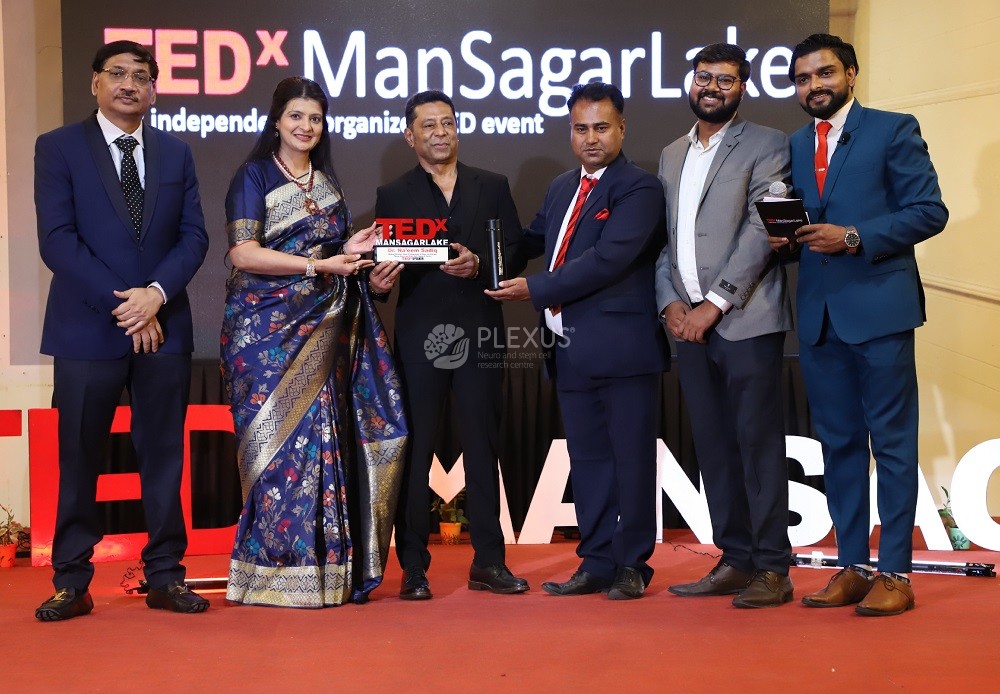
Dr. Na’eem Sadiq
Medical Director of Plexus
Dr. Na’eem Sadiq is a globally recognized neurologist and neuropsychiatrist, renowned for his contributions to the treatment of complex neurological disorders. He founded Plexus in 2011 with a mission to enhance the quality of life for patients living with neurological conditions.
With over 35 years of clinical experience, Dr. Sadiq is considered a leading expert in the field. His internationally acclaimed research spans key topics such as Demyelinating Polyneuropathy, Multiple Sclerosis, Epilepsy, and Migraine, positioning him at the forefront of neurological care worldwide.