
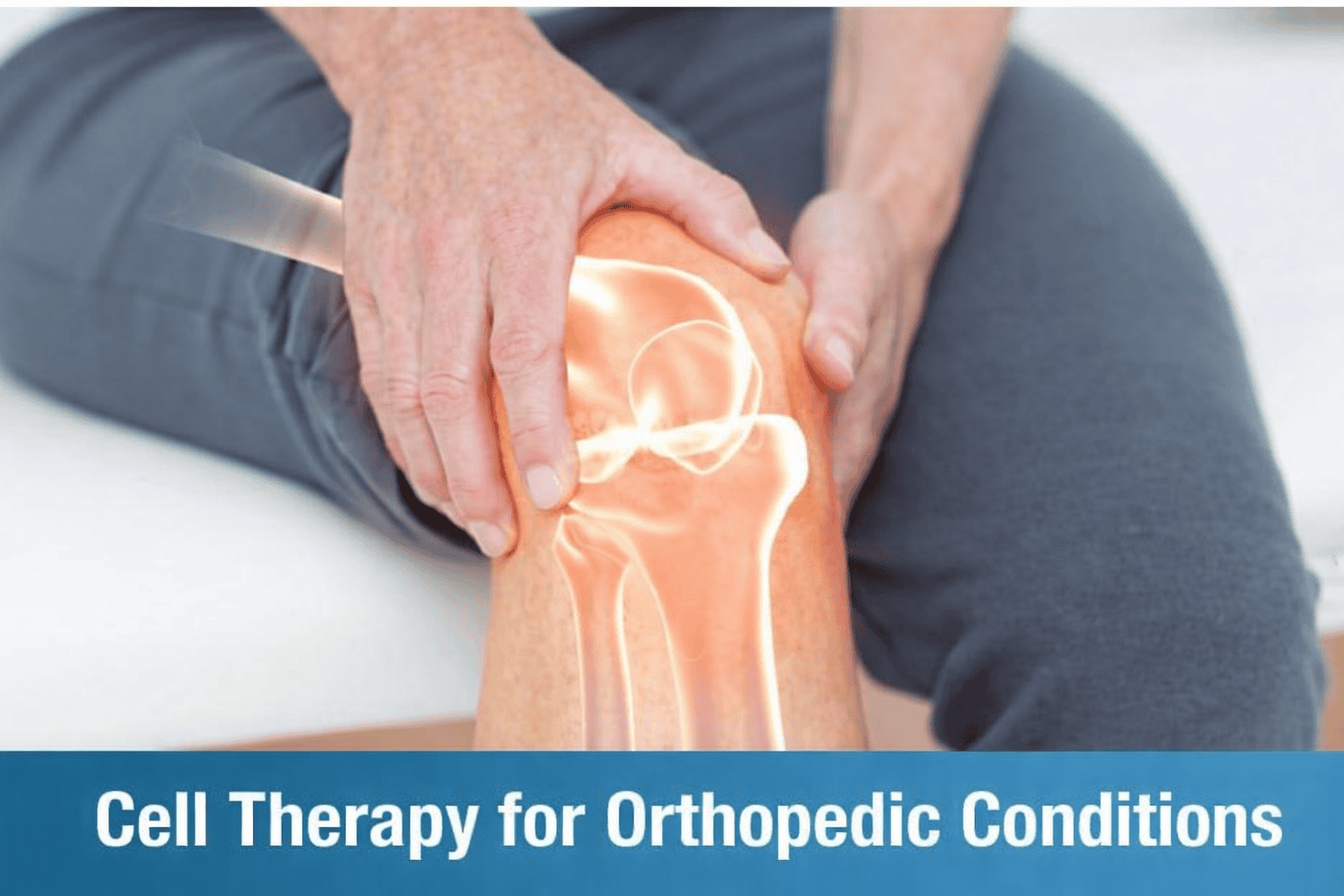
Understanding Orthopedic ConditionsOrthopedic Conditions involve injuries or diseases that affect the bones, muscles, joints, tendons, ligaments, and cartilage , collectively known as the musculoskeletal system. These conditions impair movement, balance, and physical function, and range from mild muscle strains to severe degenerative disorders. Many Orthopedic problems develop gradually due to aging, repetitive stress, or wear and tear, while others occur suddenly following traumatic injuries or overuse. Symptoms can include pain, stiffness, swelling, limited mobility, and reduced strength, affecting a person’s quality of life and daily activities.
Causes of Orthopedic Conditions
1. Degenerative Wear and Tear (Aging)
With age, joint cartilage gradually breaks down and loses elasticity. The cushioning between bones becomes thinner, causing friction during movement. This degeneration leads to chronic pain, stiffness, and restricted mobility, commonly seen in osteoarthritis. As tissues wear out naturally, the joints become more vulnerable to inflammation and injury.
2. Traumatic Injuries
Sudden accidents, such as falls, twists, or sports injuries, can damage bones, ligaments, or tendons. These injuries may result in fractures, sprains, muscle tears, or dislocations. If not treated promptly or properly, the affected structures may weaken over time, causing chronic Orthopedic problems such as instability, stiffness, or repeated pain.
3. Autoimmune and Inflammatory Disorders
Certain autoimmune diseases cause the body’s immune system to mistakenly attack its own joint tissues. For example, rheumatoid arthritis causes chronic inflammation in the joints, leading to swelling, erosion of cartilage and bones, and long-term deformities. This internal immune response gradually damages joint function.
4. Repetitive Motion or Overuse
Continuous stress from repeated movements places excessive strain on muscles, joints, and tendons. Occupations or sports involving repetitive lifting, bending, or twisting can lead to micro-tears over time. Without adequate rest and recovery, these micro-injuries accumulate and develop into chronic Orthopedic disorders such as tendonitis or bursitis.
5. Obesity and Lifestyle Factors
Excess body weight increases pressure on weight-bearing joints like hips, knees, and spine. Over time, the added mechanical stress accelerates cartilage breakdown and joint degeneration. Sedentary lifestyle habits further weaken muscles and decrease joint stability, making the musculoskeletal system more prone to injury and pain.
Symptoms of Orthopedic Conditions
1. Joint or Muscle Pain
Pain is the most common symptom, ranging from dull aches to sharp, shooting sensations. It may worsen with activity, weight-bearing, or certain movements. Chronic pain often indicates tissue damage, inflammation, or nerve involvement and can significantly affect daily functioning.
2. Swelling and Inflammation
Inflammation occurs when tissues are damaged, causing fluid accumulation around the affected joint. Swelling may be accompanied by redness, warmth, and tenderness. Persistent swelling can indicate serious underlying conditions such as arthritis or ligament tears.
3. Stiffness and Reduced Mobility
Stiffness results from joint swelling, cartilage damage, or muscle tightening. Individuals may struggle to bend, lift, or rotate joints, especially in the mornings or after inactivity. As stiffness progresses, everyday tasks like walking or climbing stairs become increasingly difficult.
4. Grinding, Clicking, or Popping Sensations
These mechanical noises occur due to uneven movement of bones or worn-out cartilage. A grinding sensation (crepitus) often signals cartilage loss, while clicking or popping can indicate loose fragments or joint instability. These sensations may or may not be painful initially.
5. Joint Weakness or Instability
Some individuals experience a feeling of the joint “giving way” or inability to bear weight. This instability often stems from weakened muscles, ligament tears, or nerve impairment. If untreated, instability increases the risk of further injuries or falls.
Diagnosis of Orthopedic Conditions
1. Medical History Review
The specialist first gathers detailed information about symptoms, lifestyle, injury history, and risk factors. This helps identify patterns, potential causes, and whether the condition is age-related, traumatic, degenerative, or autoimmune in nature.
2. Physical Examination
During the exam, doctors assess joint movement, muscle strength, swelling, alignment, and tenderness. They may perform specific tests to evaluate ligament stability, nerve involvement, and functional mobility. The findings help narrow down possible diagnoses.
3. Imaging Tests (X-ray, MRI, CT, Ultrasound)
Imaging helps visualize internal structures that cannot be assessed externally.
- X-rays show bone alignment and joint space narrowing.
- MRI scans help detect ligament, tendon, or cartilage damage.
- CT scans provide detailed bone structure evaluation.
- Ultrasound helps assess real-time soft tissue injuries.
These tests confirm the extent and location of Orthopedic damage.
4. Laboratory Tests
Blood tests may be used to detect markers linked to inflammatory, autoimmune, or metabolic conditions. For example, elevated rheumatoid factor or ESR levels can indicate autoimmune arthritis. These tests help differentiate joint disorders from infections or systemic diseases.
5. Joint Aspiration (Arthrocentesis)
In some cases, doctors extract fluid from the affected joint for laboratory analysis. This helps diagnose joint infections, gout, inflammatory arthritis, or bleeding within the joint. Studying the fluid composition provides clarity on the root cause of persistent swelling and pain.
What Is Cell Therapy?
Cell Therapy is a cutting-edge regenerative treatment that uses the patient’s own reparative cells, typically autologous mesenchymal cells, to repair damaged tissues in bones, joints, ligaments, and tendons. Unlike traditional treatments that only manage pain or inflammation, cell therapy targets the root cause of Orthopedic problems by promoting tissue regeneration. These cells can differentiate into cartilage, bone, or connective tissue and release growth factors that stimulate the body’s natural healing mechanisms. This makes Cell Therapy a minimally invasive alternative to surgery for conditions like osteoarthritis, ligament injuries, tendon damage, and cartilage degeneration.
How Cell Therapy Works
Cell Therapy works by harvesting regenerative cells from the patient’s bone marrow, fat tissue, or other sources, processing them in a laboratory to concentrate the healing cells, and then injecting them into the affected area. Once administered, these cells help reduce inflammation, repair damaged tissues, and stimulate the regeneration of cartilage, ligaments, and tendons.
The mechanism involves three main actions:
- Anti-inflammatory Effects: The cells modulate the immune system to reduce swelling and pain in the joint.
- Tissue Repair: They differentiate into specialized cells to replace damaged cartilage, ligament, or tendon tissue.
- Growth Factor Release: The cells secrete proteins that promote the body’s natural healing process, improve blood supply, and strengthen the surrounding tissue.
This targeted approach not only alleviates symptoms but also helps restore mobility, improve function, and slow down the progression of degenerative Orthopedic Conditions.
Benefits of Cell Therapy for Orthopedic Conditions
Cell Therapy offers unique advantages that make it a preferred choice for many Orthopedic patients:
1. Reduces Pain and Inflammation
By directly modulating inflammatory pathways and promoting tissue healing, Cell Therapy helps alleviate chronic pain caused by arthritis, ligament injuries, or tendon degeneration. Patients often report a noticeable reduction in pain within weeks of treatment.
2. Promotes Tissue Regeneration
Unlike traditional medications or steroid injections, which only mask symptoms, Cell Therapy works to regenerate cartilage, tendons, and ligaments, restoring natural joint function. This is particularly beneficial in conditions like osteoarthritis or sports-related soft tissue injuries.
3. Minimally Invasive Approach
Cell Therapy avoids major surgery, making it less traumatic, with minimal downtime. Procedures are usually outpatient, requiring only local anesthesia or mild sedation, allowing patients to resume normal activities sooner.
4. Reduces the Need for Surgery
Many patients who undergo Cell Therapy experience improved function and pain relief, potentially delaying or even preventing the need for joint replacement or ligament reconstruction.
5. Shorter Recovery Time
Since there is no extensive surgical trauma, recovery is faster. Patients often return to light activities within days and gradually regain full mobility over weeks, depending on the severity of the condition.
6. Personalized and Safe
Using the patient’s own cells reduces the risk of immune rejection or disease transmission. This autologous approach ensures compatibility and enhances the safety profile of the treatment.
7. Long-Term Functional Improvement
Beyond symptom relief, Cell Therapy can improve joint stability, flexibility, and overall musculoskeletal health. Studies have shown that it can slow the progression of degenerative conditions, improving quality of life for years.
Other Treatments for Orthopedic Conditions at Plexus
While Cell Therapy offers regenerative benefits, many patients also require complementary treatments to manage symptoms, restore mobility, and strengthen the musculoskeletal system. These treatments are often combined with Cell Therapy for optimal outcomes.
Physical Therapy
Physical therapy (Physiotherapy) is a cornerstone in the treatment of Orthopedic Conditions. It focuses on improving strength, flexibility, balance, and overall function. A certified physiotherapist designs a personalized exercise program based on the patient’s specific condition, age, and physical capabilities.
Key components of physical therapy include:
- Strengthening Exercises: Target weak muscles surrounding joints to reduce stress on bones, ligaments, and cartilage, enhancing stability and preventing further injuries.
- Range of Motion (ROM) Exercises: Gentle movements help maintain joint flexibility and prevent stiffness, which is particularly important in degenerative conditions like osteoarthritis.
- Posture and Gait Training: Improves alignment and body mechanics to reduce undue stress on affected joints, improving mobility and preventing chronic pain.
- Manual Therapy: Hands-on techniques such as joint mobilization and soft tissue massage improve circulation, relieve stiffness, and reduce muscle tension.
- Pain Management Modalities: Techniques like ultrasound therapy, heat/cold therapy, and electrical stimulation help manage pain and accelerate healing.
Why Choose Plexus in India
Selecting the right centre can make a world of a difference to recovery outcomes. Here’s why Plexus stands out:
- Expertise: Since 2011, Plexus has specialised in neurological and regenerative rehabilitation, treating hundreds of thousands of patients and building a strong reputation in complex nerve‑injury care. Plexus specialists are experienced in both neurology and neuro‑surgery, offering the full spectrum of care under one roof.
- Facilities & Multidisciplinary Team: Plexus is India’s first ISO‑certified regenerative rehabilitation & research centre, equipped with state‑of‑the‑art diagnostic imaging, surgical theatres and dedicated rehabilitation suites. Plexus interdisciplinary team includes neurologists, neurosurgeons, physiotherapists, occupational therapists, pain specialists and regenerative medicine experts all collaborating to deliver integrated care.
- Patient Journey & Access: From first consultation to discharge and long‑term follow‑up, Plexus guides patients through every stage of recovery. Plexus supports both Indian and international patients, offering cost‑effective care without compromising quality. Comfortable outpatient programs, therapy and treatment planning, and accessible communication with Plexus doctors are part of Plexus commitment.
Other Disorders Treated at Plexus
At Plexus,expertise extends to offer comprehensive care for a variety of neurological and related conditions. Plexus provide specialized treatments for disorders such as, Brachial Plexus Injury , Spinocerebellar Ataxia, Sensory Processing Disorder (SPD), Cerebral Palsy, Multiple Sclerosis,Parkinson’s disease, Spinal Cord Injury, Motor Neuron Disease, Stroke, Autoimmune Conditions, Orthopedic Conditions, and Sports Injuries. Plexus multidisciplinary approach, incorporating therapies like Cell Therapy, Physiotherapy, Occupational Therapy, Aquatic Therapy, and Speech Therapy, ensures personalized care tailored to each condition, helping patients achieve improved mobility, function, and quality of life.
Patient Success Stories: The Transformative Impact of Dr. Na’eem Sadiq
Dr. Na’eem Sadiq’s expertise and compassionate care have changed the lives of countless patients at Plexus. Through a combination of personalized therapies and innovative treatments, Dr. Sadiq has helped individuals overcome significant challenges and regain independence. Below are five inspiring success stories that highlight his profound impact:
- Enhanced Mobility: A 60-year-old Parkinson’s patient, who struggled with walking due to tremors, regained improved balance and gait after six months of Aquatic Therapy and Physiotherapy under Dr. Sadiq’s care, leading to independent movement once again.
- Improved Communication Skills: A patient with speech difficulties made impressive strides through Dr. Sadiq’s tailored Speech Therapy program, regaining confidence and communication abilities.
- Restored Daily Functionality: A 55-year-old from Bangalore, initially struggling with routine tasks like dressing, regained independence and returned to work within four months following targeted Occupational Therapy.
- Greater Independence: After five months of Cell Therapy and Physiotherapy treatment, a 65-year-old patient experiencing severe stiffness saw remarkable improvements in mobility and regained a higher level of independence.
- Transformative Recovery Journey: A patient, deeply grateful for Dr. Sadiq’s attentive care saw significant progress in motor skills and communication after a three-month combination of Speech and Occupational Therapy at Plexus.
FAQs
What are orthopedic conditions?
Orthopedic conditions are disorders affecting the musculoskeletal system, including bones, joints, ligaments, tendons, and muscles. They can result from aging, injury, or chronic disease, leading to pain, stiffness, and limited mobility.
What causes orthopedic conditions?
Causes include degenerative wear and tear (like osteoarthritis), traumatic injuries, autoimmune disorders, repetitive stress, and lifestyle factors such as obesity or sedentary habits.
What are the common symptoms of orthopedic conditions?
Symptoms include joint or muscle pain, stiffness, swelling, reduced mobility, grinding or popping sounds, and joint weakness or instability.
How are orthopedic conditions diagnosed?
Diagnosis involves a combination of medical history review, physical examination, imaging tests (X-ray, MRI, CT), blood tests, and sometimes joint fluid analysis.
What is cell therapy for orthopedic conditions?
Cell therapy uses the patient’s own regenerative cells to repair damaged cartilage, ligaments, tendons, or bone, promoting natural healing and reducing pain.
How does cell therapy work?
Cells are harvested from bone marrow or fat tissue, processed to concentrate regenerative cells, and injected into the affected area. They reduce inflammation, stimulate tissue regeneration, and release growth factors to enhance healing.
What are the benefits of cell therapy for orthopedic conditions?
Benefits include pain relief, tissue regeneration, improved joint function, faster recovery, minimally invasive treatment, reduced need for surgery, and personalized therapy with low risk of rejection..
What is the role of physical therapy in orthopedic care?
Physical therapy strengthens muscles, improves joint flexibility, restores mobility, corrects posture, and complements regenerative treatments like cell therapy for faster and more effective recovery.
Are there other non-surgical treatments for orthopedic conditions?
Yes, these include medications (anti-inflammatory drugs, pain relievers), braces or supports, lifestyle modifications (weight management, ergonomic changes), and injections like PRP or corticosteroids.
Why is early intervention important for orthopedic conditions?
Early diagnosis and treatment can prevent further joint or tissue damage, reduce pain, maintain mobility, and improve long-term outcomes, especially when combining regenerative therapies with supportive care.
About the Author
Dr. Na’eem Sadiq
Medical Director of Plexus
Dr. Na’eem Sadiq is a globally recognized neurologist and neuropsychiatrist, renowned for his contributions to the treatment of complex neurological disorders. He founded Plexus in 2011 with a mission to enhance the quality of life for patients living with neurological conditions.
With over 35 years of clinical experience, Dr. Sadiq is considered a leading expert in the field. His internationally acclaimed research spans key topics such as Demyelinating Polyneuropathy, Multiple Sclerosis, Epilepsy, and Migraine, positioning him at the forefront of neurological care worldwide.