


A Brachial Plexus Injury can significantly affect movement, daily activities, work and overall independence, because it directly impacts the nerves controlling the shoulder, arm, and hand. In many cases, these injuries are complex and require more than a regular clinic visit. It needs a hospital setting with advanced diagnostics, experienced specialists, and a comprehensive rehabilitation team.
Plexus Neuro Centre in Bangalore is built around this need. As a dedicated neuro‑rehabilitation and regenerative centre, Plexus provides hospital‑level care for patients with brachial plexus injuries, from early assessment through intensive rehabilitation.
Understanding Brachial Plexus Injury
The Brachial Plexus is a network of nerves that starts in the neck and extends through the shoulder region to the arm and hand. When these nerves are stretched, compressed, torn, or pulled from the spinal cord, a Brachial Plexus Injury occurs.
Depending on the severity of the damage, symptoms may range from mild weakness or tingling to complete loss of movement and sensation in the affected arm. Because the plexus controls much of upper‑limb function, the impact on life can be significant. Lifting objects, getting dressed, driving and daily tasks can become difficult.
Common Causes And Symptoms
Brachial Plexus Injuries can happen at any age, but the causes often differ between babies and adults. Most common causes of Brachial Plexus Injury seen at specialized centres like Plexus, Bangalore, include:
- Road traffic accidents or falls that cause sudden traction or impact to the neck and shoulder
- Sports injuries involving sudden pulling of the arm
- Birth‑related injuries when the newborn’s shoulder gets stuck during delivery
- Tumours or growths in the neck or upper chest that compress or infiltrate the nerve bundle.
Typical symptoms that should prompt a hospital‑level evaluation include:
- Weakness, heaviness, or complete inability to lift or move the arm
- Numbness, tingling, or loss of sensation in the arm or hand
- Severe burning or electric‑shock‑like pain radiating from the neck to the arm
- Visible muscle wasting around the shoulder blade, upper arm, or hand
If these symptoms follow an accident, fall, or difficult delivery, early assessment by a team experienced in Brachial Plexus care is especially important.
How Brachial Plexus Injuries Are Evaluated At Plexus
When a patient arrives at Plexus, Bangalore with a suspected Brachial Plexus Injury, the first step is a thorough assessment to understand which nerves are affected and the severity of the injury. It typically includes:
- Detailed clinical examination to check muscle strength, joint range of motion, reflexes, posture, and patterns of sensory loss
- Review of imaging and tests, such as X‑rays, MRI, CT scans, and any prior nerve assessment, to look for fractures, dislocations, or structural damage around the shoulder and neck
- Electrodiagnostic studies (nerve conduction studies and EMG), where indicated, to measure how well signals travel along the nerves and how muscles respond
By combining these findings, the team can distinguish between partial stretch injuries that may recover with rehabilitation and more severe ruptures or avulsions that are likely to require surgical input.
Treatment Overview: Rehabilitation And Regenerative Support at Plexus
There is no single “best” treatment for Brachial Plexus Injury. Management is tailored to the type and time of the injury, patient’s age and health, and functional goals. Treatment options may involve:
- Conservative management and rehabilitation ideal for milder stretch or compression injuries with good recovery potential.
- Regenerative and cell‑based approaches used in carefully selected cases, as part of a research‑informed rehabilitation plan.
Plexus integrates these options into a single, coordinated programme rather than treating them independently..
- Cell Therapy: Utilizing regenerative cells, Cell Therapy is used to promote nerve repair, reduce scar formation, and enhance recovery when traditional treatments alone are insufficient. This innovative approach aims to restore function and minimize long-term disability.
- Physiotherapy: Individualized sessions help restore movement, build muscle strength, and prevent joint stiffness. Physiotherapists use methods like heat therapy, manual manipulation, and electrical stimulation to support recovery and alleviate pain.
- Occupational Therapy: Our occupational therapists empower patients to regain independence in daily tasks by teaching adaptive skills and providing assistive devices. This care extends to rebuilding confidence and fine motor skills critical for long-term rehabilitation.
- Pain Management & Psychological Support: Effective pain relief strategies, including medication and non-invasive techniques, ensure that patients can fully participate in rehabilitation. In parallel, we address emotional challenges with counseling and peer support.
Patients benefit from a summary approach during initial consultations, while detailed therapy plans are customized according to the patient’s progress and condition.
Other Conditions Treated at Plexus
Although this article focuses on Brachial Plexus Injuries, Plexus Neuro Centre also supports patients with a wide range of neurological and related conditions, including:
- Stroke and Brain Injury
- Spinocerebellar Ataxia
- Sensory Processing Disorder
- Spinal Cord Injury
- Cerebral Palsy and Developmental Disorders
- Multiple Sclerosis and other Demyelinating Diseases
- Motor Neuron Disease
- Autoimmune Condition
- Orthopedic Conditions
- Sports Injuries
All conditions are managed using the same principles: detailed assessment, individualized planning, intensive rehabilitation, and regenerative support, where appropriate.
Dr. Na’eem Sadiq: A Global Leader in Neurological Care
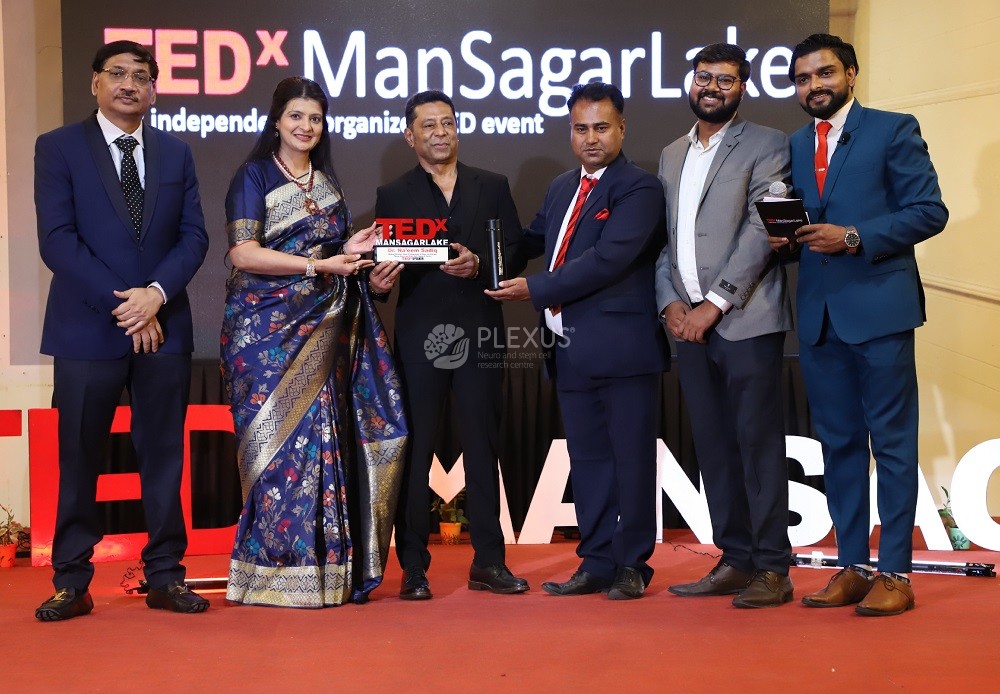
Dr. Na’eem Sadiq is a renowned neurologist and Cell Therapy specialist, and the founder of Plexus, India’s first ISO-certified cell research center. A graduate of Bellary Government Medical College and NIMHANS, Dr. Sadiq further honed his skills with specialized training in Tissue Culture, Cell Therapy, and neurology. He has authored numerous internationally recognized research papers on the treatment of conditions such as Multiple Sclerosis, Epilepsy, Migraine, and Demyelinating Polyneuropathy. Known worldwide for his pioneering work in cell research, Dr. Sadiq has earned multiple prestigious awards. Through Plexus, his vision is to offer accessible, high-quality healthcare, and his innovative treatments continue to transform lives across the globe.
Patient Success Stories: The Impact of Dr. Sadiq’s Care
Dr. Na’eem Sadiq’s exceptional expertise and compassionate care have significantly impacted the lives of many patients at Plexus. Through a blend of personalized treatments and innovative therapies, Dr. Sadiq has empowered individuals to overcome major challenges and regain their independence. Here are five inspiring success stories that showcase the transformative effect of his care:
- Restored Mobility: A 60-year-old Parkinson’s patient, who had difficulty walking due to tremors, saw significant improvements in balance and gait after six months of Aquatic Therapy and physiotherapy with Dr. Sadiq’s guidance, enabling independent movement once again.
- Improved Communication: A patient struggling with speech issues made impressive progress through Dr. Sadiq’s customized Speech Therapy program, regaining both confidence and the ability to communicate effectively.
- Regained Daily Independence: A 55-year-old from Bangalore, who once had trouble with daily tasks like dressing, regained full independence and returned to work after just four months of focused occupational therapy.
- Greater Mobility and Freedom: A 65-year-old patient, experiencing severe stiffness, made remarkable strides in mobility after five months of Cell Therapy and Physiotherapy, regaining a newfound sense of independence.
- A Remarkable Recovery: A patient, profoundly grateful for Dr. Sadiq’s personalized care saw significant progress in motor skills and communication after a three-month combination of Speech and Occupational Therapy received at Plexus.
These stories reflect Dr. Sadiq’s profound impact on over 500,000 patients, showcasing his expertise and Plexus’s unwavering commitment to life-changing, high-quality care.
Road to Recovery with Plexus
At Plexus, we understand the profound impact a Brachial Plexus Injury can have on life. Our expert team offers personalized treatment plans, combining advanced diagnostic tools and compassionate care. Whether through non-surgical therapies or cutting-edge surgery, we aim to restore function and help patients return to daily activities. Our state-of-the-art facilities and experienced specialists ensure patients receive the best care possible.
Rehabilitation is key to recovery, and we offer tailored programs to help patients regain strength and mobility. From the initial consultation to long-term follow-up, we’re committed to the well-being of our patients at every step.
Contact Plexus today to take the first step towards recovery. We help patients regain quality of life with the best care available for Brachial Plexus Injuries.
FAQs
What is a Brachial Plexus Injury?
A brachial plexus injury occurs when the nerves controlling your arm and hand are damaged, usually due to trauma or stretching.
How do I know if I have a Brachial Plexus Injury?
Symptoms may include weakness, numbness, or a burning sensation in your arm, shoulder, or hand.
Why should I choose Plexus in Bangalore for treatment?
Plexus offers expert care, advanced technology, and a compassionate, patient-centered approach to treat Brachial Plexus Injuries.
What diagnostic tests are done at Plexus for Brachial Plexus Injuries?
We use MRI, CT scans, and nerve conduction studies to accurately diagnose and plan your treatment.
What non‑surgical treatment options are available?
Non-surgical options include Physical Therapy, Medications, and Steroid injections to reduce pain and inflammation.