
What Is Cell Therapy?
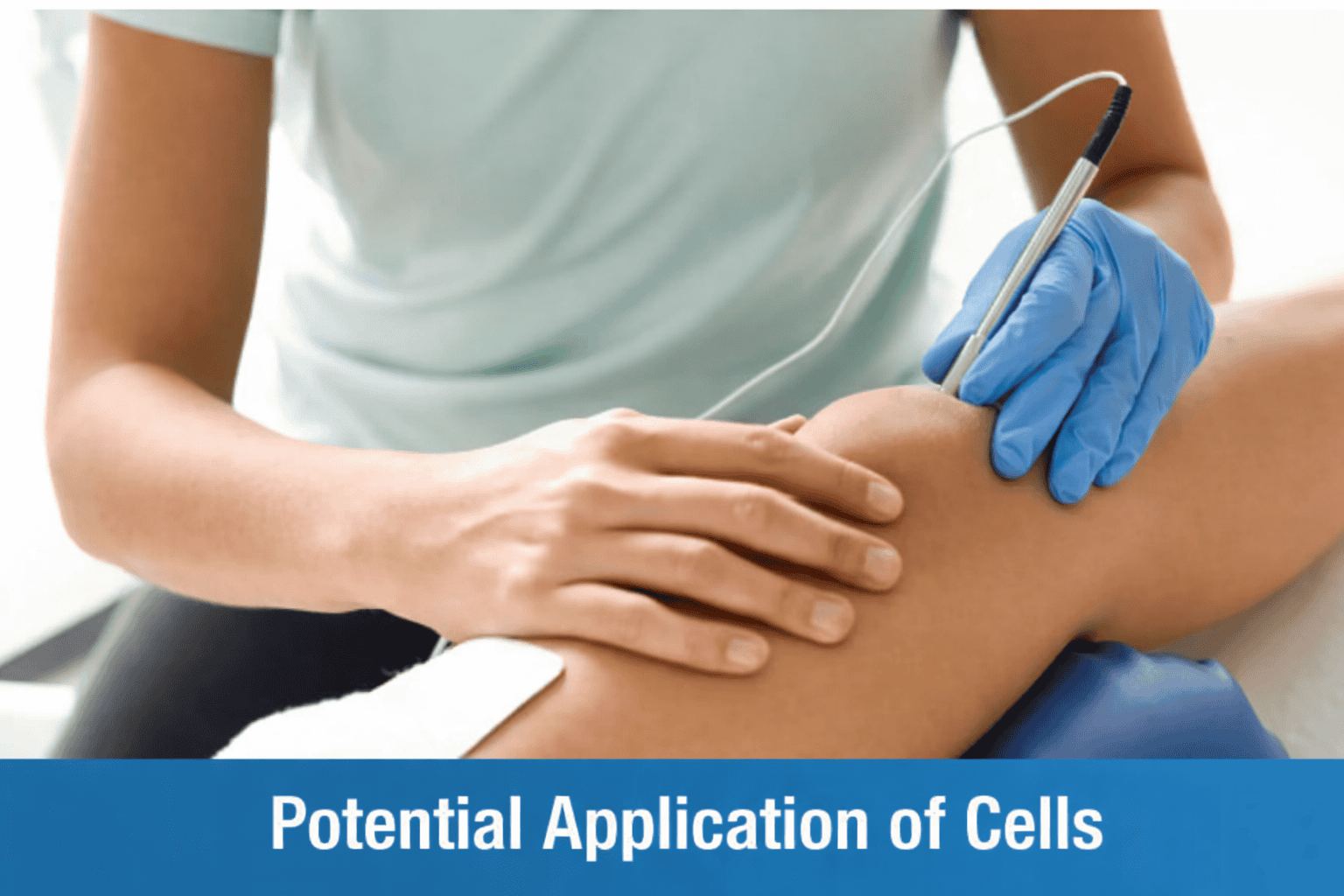
Cell Therapy is an advanced medical treatment that uses living cells to help repair, regenerate, or support damaged tissues and organs. Instead of only managing symptoms, cell therapy works at a biological level by influencing how the body heals itself. These therapeutic cells can help restore function, reduce inflammation, regulate immune responses, and promote tissue repair. Cell therapy is widely used in regenerative medicine and neurological rehabilitation to address conditions where natural healing is limited.
How Does Cell Therapy Help?
Cell Therapy helps the body heal and recover by working at a cellular and molecular level, addressing the root causes of disease rather than only managing symptoms. Once administered, therapeutic cells interact with the body’s internal environment and activate multiple healing pathways that support repair, protection, and functional recovery.
1. Regulates the Immune System
Many chronic neurological, autoimmune, and inflammatory conditions are caused by an overactive or misdirected immune response. Cell Therapy helps restore immune balance by suppressing harmful immune activity while preserving the body’s ability to fight infections. This immune modulation reduces disease flare-ups and slows ongoing tissue damage.
2. Reduces Chronic Inflammation
Persistent inflammation damages nerves, joints, muscles, and organs over time. Therapeutic cells release anti-inflammatory factors that lower inflammatory markers, reduce swelling, and create a healing-friendly environment. This is especially beneficial in degenerative disorders, spinal injuries, and autoimmune diseases.
3. Promotes Tissue Repair and Regeneration
Rather than simply replacing damaged cells, Cell Therapy stimulates the body’s own repair mechanisms. The cells secrete growth factors and signaling molecules that encourage regeneration of nerves, cartilage, muscle, and connective tissues, improving structural and functional recovery.
4. Supports Nerve Healing and Neuroprotection
In neurological conditions, Cell Therapy plays a key role in protecting existing neurons and supporting the repair of damaged nerve pathways. It enhances nerve signaling, promotes remyelination, and helps restore communication between brain and body, leading to improvements in movement, coordination, and sensation.
5. Improves Blood Supply and Oxygenation
Therapeutic cells support the formation of new blood vessels (angiogenesis), improving oxygen and nutrient delivery to injured tissues. Better circulation accelerates healing and enhances tissue survival, particularly in areas affected by trauma or degeneration.
6. Slows Disease Progression
In progressive and degenerative conditions such as Parkinson’s disease or motor neuron disorders, cell therapy focuses on slowing disease advancement. By reducing inflammation and protecting cells from further damage, it helps maintain function for longer periods.
7. Enhances Rehabilitation Outcomes
Cell Therapy works synergistically with physiotherapy, occupational therapy, aquatic therapy, and other rehabilitation techniques. By preparing tissues and nerves for recovery, it helps patients respond better to rehabilitation, resulting in improved strength, mobility, balance, and daily functioning.
Neurological Applications of Cell Technology
| Condition | Role of Cell Therapy | How It Helps at a Biological Level | Key Functional Benefits |
| Multiple Sclerosis (MS) | Immune modulation and neural support | Regulates abnormal immune responses, reduces inflammation, supports remyelination of nerve fibers | Reduced relapse frequency, improved mobility, decreased fatigue, better sensory control |
| Spinal Cord Injury | Neuroprotection and regeneration | Limits secondary nerve damage, promotes nerve repair, improves spinal cord microenvironment | Improved motor function, enhanced sensation, better bladder/bowel control |
| Brachial Plexus Injury | Peripheral nerve repair | Supports nerve fiber regeneration, reduces scar formation, improves nerve signaling | Increased arm strength, improved sensation, better functional use of limb |
| Parkinson’s Disease | Neuroprotection and inflammation control | Protects dopamine-producing neurons, reduces neuroinflammation, supports neural signaling | Reduced tremors, improved balance and gait, better motor coordination |
| Sports Injuries | Tissue repair and inflammation reduction | Accelerates healing of muscles, ligaments, tendons; reduces chronic inflammation | Faster recovery, reduced pain, improved strength and mobility |
| Spinocerebellar Ataxia | Neuroprotection and disease modulation | Protects cerebellar neurons, reduces oxidative stress, supports neural communication | Improved balance, better coordination, slower disease progression |
| Orthopedic Conditions | Regenerative support for joints and tissues | Promotes cartilage repair, reduces joint inflammation, improves blood supply | Pain reduction, enhanced joint mobility, improved quality of movement |
| Motor Neuron Diseases | Neuroprotection and supportive care | Reduces inflammatory damage, supports surviving motor neurons | Slower functional decline, improved muscle control, better daily activity performance |
| Autoimmune Conditions | Immune system regulation | Balances immune responses, reduces autoimmune-driven tissue damage | Decreased inflammation, symptom control, improved long-term disease management |
Why Choose Plexus in India
Selecting the right centre can make a world of a difference to recovery outcomes. Here’s why Plexus stands out:
- Expertise: Since 2011, Plexus has specialised in neurological and regenerative rehabilitation, treating hundreds of thousands of patients and building a strong reputation in complex nerve‑injury care. Plexus specialists are experienced in both neurology and neuro‑surgery, offering the full spectrum of care under one roof.
- Facilities & Multidisciplinary Team: Plexus is India’s first ISO‑certified regenerative rehabilitation & research centre, equipped with state‑of‑the‑art diagnostic imaging, surgical theatres and dedicated rehabilitation suites. Plexus interdisciplinary team includes neurologists, neurosurgeons, physiotherapists, occupational therapists, pain specialists and regenerative medicine experts all collaborating to deliver integrated care.
- Patient Journey & Access: From first consultation to discharge and long‑term follow‑up, Plexus guides patients through every stage of recovery. Plexus supports both Indian and international patients, offering cost‑effective care without compromising quality. Comfortable outpatient programs, therapy and treatment planning, and accessible communication with Plexus doctors are part of Plexus commitment.
Advancing Recovery Through Regenerative Cell Technology
The applications of cell technology continue to expand across multiple medical specialties, offering new hope for patients with complex neurological, orthopedic, and autoimmune conditions. By addressing inflammation, promoting tissue repair, and supporting functional recovery, cell-based therapies represent a powerful advancement in modern medicine. At Plexus, a multidisciplinary and evidence-based approach ensures that cell technology is applied safely, ethically, and effectively to maximize patient outcomes.
Other Disorders Treated at Plexus
At Plexus,expertise extends to offer comprehensive care for a variety of neurological and related conditions. Plexus provide specialized treatments for disorders such as, Brachial Plexus Injury , Spinocerebellar Ataxia, Sensory Processing Disorder (SPD), Cerebral Palsy, Multiple Sclerosis,Parkinson’s disease, Spinal Cord Injury, Motor Neuron Disease, Stroke, Autoimmune Conditions, Orthopedic Conditions, and Sports Injuries. Plexus multidisciplinary approach, incorporating therapies like Cell Therapy, Physiotherapy, Occupational Therapy, Aquatic Therapy, and Speech Therapy, ensures personalized care tailored to each condition, helping patients achieve improved mobility, function, and quality of life.
Patient Success Stories: The Transformative Impact of Dr. Na’eem Sadiq
Dr. Na’eem Sadiq’s expertise and compassionate care have changed the lives of countless patients at Plexus. Through a combination of personalized therapies and innovative treatments, Dr. Sadiq has helped individuals overcome significant challenges and regain independence. Below are five inspiring success stories that highlight his profound impact:
- Enhanced Mobility: A 60-year-old Parkinson’s patient, who struggled with walking due to tremors, regained improved balance and gait after six months of Aquatic Therapy and Physiotherapy under Dr. Sadiq’s care, leading to independent movement once again.
- Improved Communication Skills: A patient with speech difficulties made impressive strides through Dr. Sadiq’s tailored Speech Therapy program, regaining confidence and communication abilities.
- Restored Daily Functionality: A 55-year-old from Bangalore, initially struggling with routine tasks like dressing, regained independence and returned to work within four months following targeted Occupational Therapy.
- Greater Independence: After five months of Cell Therapy and Physiotherapy treatment, a 65-year-old patient experiencing severe stiffness saw remarkable improvements in mobility and regained a higher level of independence.
- Transformative Recovery Journey: A patient, deeply grateful for Dr. Sadiq’s attentive care saw significant progress in motor skills and communication after a three-month combination of Speech and Occupational Therapy at Plexus.
FAQs
What is cell technology in medical treatment?
Cell technology involves the therapeutic use of cells to support tissue repair, immune regulation, and functional recovery in various medical conditions.
Is cell technology safe?
When performed in a regulated medical setting with proper protocols, cell-based therapies are considered safe and closely monitored.
Which conditions can benefit from cell technology?
Neurological disorders, orthopedic injuries, autoimmune conditions, and degenerative diseases may benefit from cell-based approaches.
Is cell technology a replacement for surgery?
Not always. It can be an alternative or complementary therapy depending on the condition and severity.
How is cell technology used at Plexus Neuro Centre?
At Plexus, cell technology is integrated with physiotherapy, occupational therapy, aquatic therapy, and neurological rehabilitation for holistic recovery.
About the Author
Dr. Na’eem Sadiq
Medical Director of Plexus
Dr. Na’eem Sadiq is a globally recognized neurologist and neuropsychiatrist, renowned for his contributions to the treatment of complex neurological disorders. He founded Plexus in 2011 with a mission to enhance the quality of life for patients living with neurological conditions.
With over 35 years of clinical experience, Dr. Sadiq is considered a leading expert in the field. His internationally acclaimed research spans key topics such as Demyelinating Polyneuropathy, Multiple Sclerosis, Epilepsy, and Migraine, positioning him at the forefront of neurological care worldwide.